
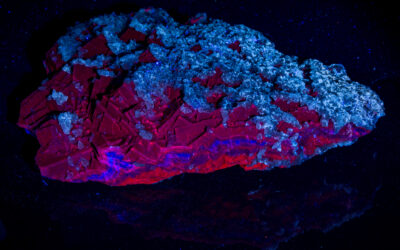
“Black Rose” Fluorite: Fluorescence will ultimately fade to a dim blue after long exposure to LW
There have been several posts i our FB group lately about this fluorite listed on eBay as "Black Rose" from China sellers. Specific locale unknown. The pictures seemed unbelievable so I had to get one for myself to see. They are kind of believable, for a little while....
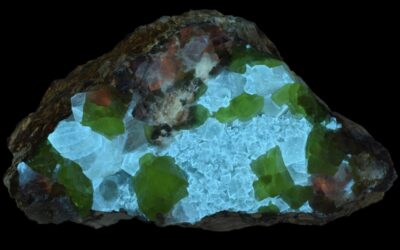
The Fluorescence of Elemental Sulfur: Real or Perceived Phenomenon?
There was a post in the fluorescent mineral group about sulfur fluorescing a dull green under SW on a piece of calcite from Michigan, and a discussion about this being real fluorescence ensued. I have several pieces of similar material from Italy and had noticed what...
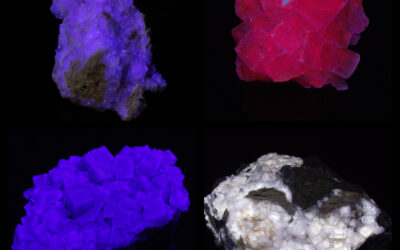
A quatuor of fluorescent fluorites
Anyone with a basic fluorescent minerals collection has a blue-fluorescing fluorite, the most common color in fluorescent fluorites; many also have cream-white fluorescing fluorites (either the so-called "rootbeer" fluorite, or "non-rootbeer" amber colored ones like...
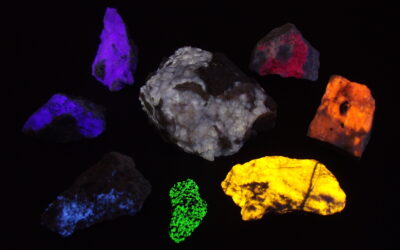
“Rainbow” assortment of longwave UV reactive minerals
As all experienced fluorescent minerals collectors know, shortwave UV is the wavelength under which there's the greatest variety of fluorescent colors in UV reactive minerals, and many either fluoresce only under shortwave, or are at their best under this wavelength....
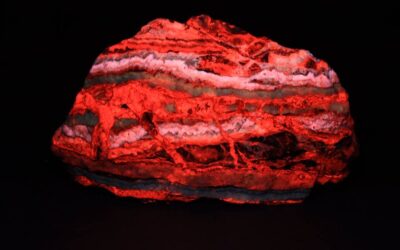
Constante Mine, Santa Marta, Badajoz, Extremadura, Spain
Originally posted on Nature's Rainbows by Daniel C. Montero. Santa Marta is a new location for fluorescent minerals in Spain. It is also home to the Mugemisa geological and mining museum where you can visit its "Sala negra", the largest in Spain where fluorescent...
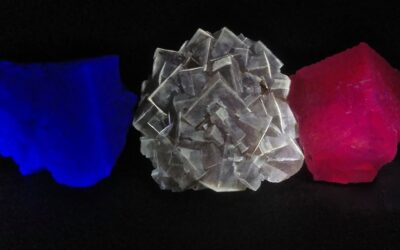
Fluorite and its different responses under UV light
Originally posted on Nature's Rainbows by Daniel C. Montero. The classic fluorescent mineral, but all fluorites are not luminescent under UV! Showing here some fluorites with different responses under long wave UV. Green visible Blue fluo from Gloria 1ª Mine, Córdoba,...
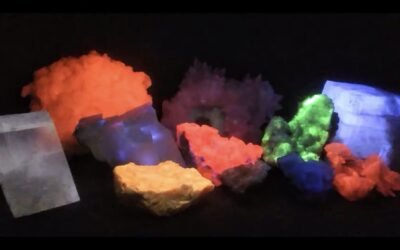
Fluorescent Calcites from my collection Show under UV MW-LW-SW-NL.
Fluorescent Calcites from my collection Show under UV SW-MW-LW-NL.
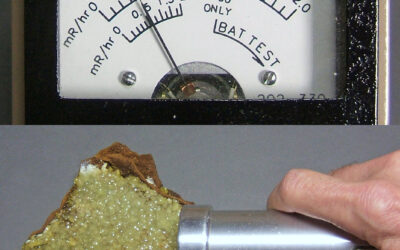
Not all adamite is created equal…
Originally posted on Nature's Rainbows in 2018 by Chris Clemens. …at least not in terms of fluorescence. As is the case with many fluorescent minerals, different specimens of the same mineral species can show tremendous variability in fluorescent response, even among...
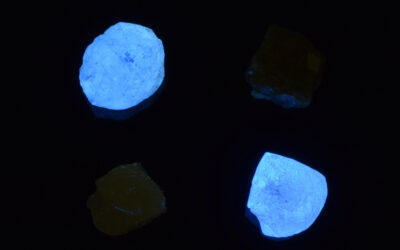
Diamonds
Originally posted on Nature's Rainbows in 2018 by Chris Clemens. Approximately 30% of all diamonds show a fluorescent response under UV. In most cases, the fluorescence is brightest under long wave (365nm). The fluorescent response is activated by a complex interplay...
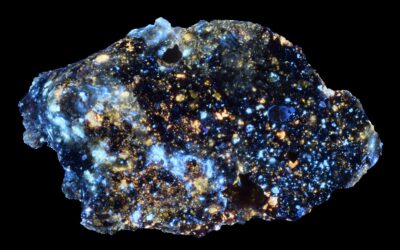
Red Trinitite, a Piece of Atomic History
Originally posted on Nature's Rainbows in 2023 by Chris Clemens. Red trinitite is technically not a true mineral, because it was not formed through a geologic process. Rather, this brick-red colored glass-like material was created at 5:29 A.M. Mountain Time on July...