Originally posted on Nature’s Rainbows in 2023 by Chris Clemens.
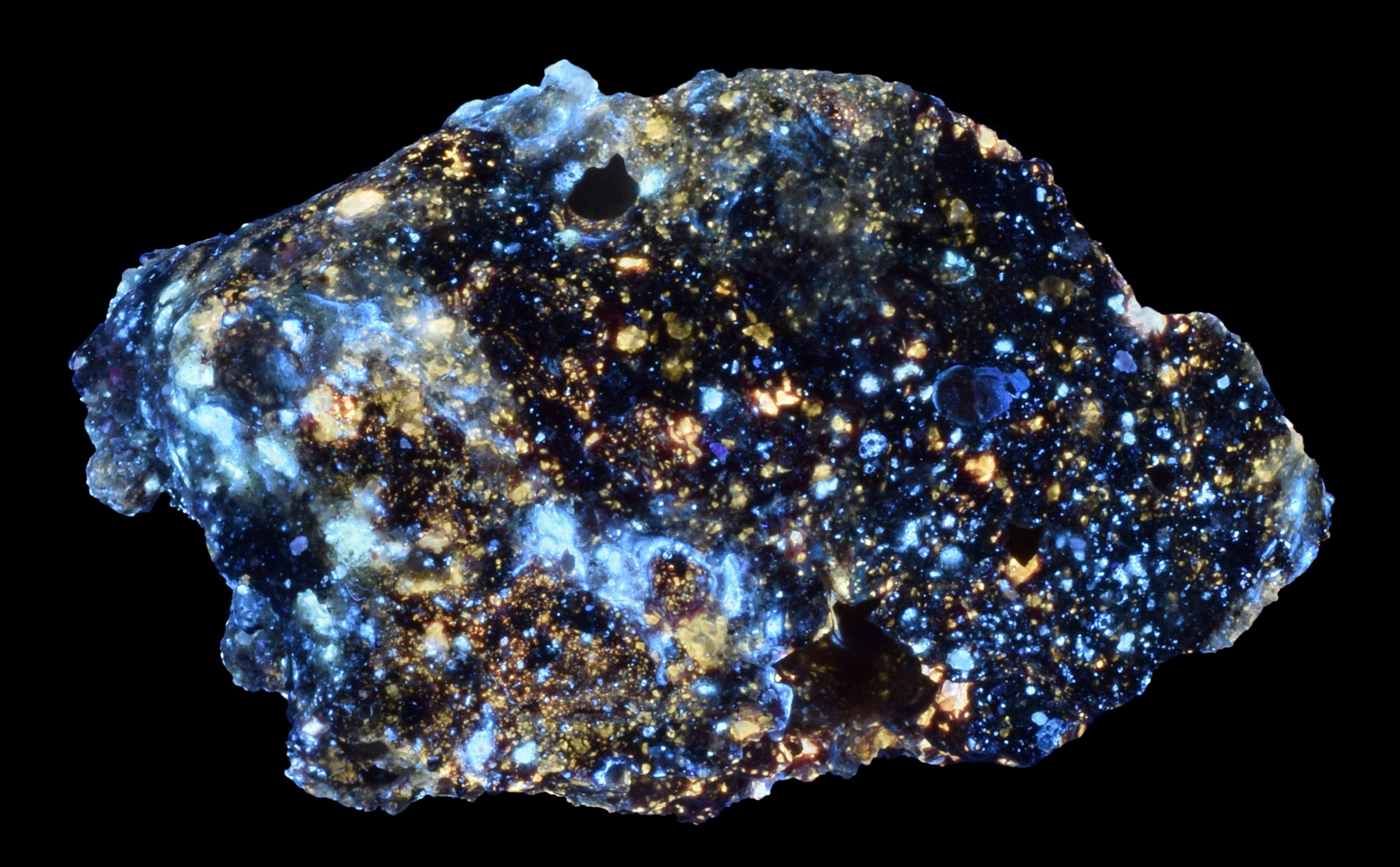
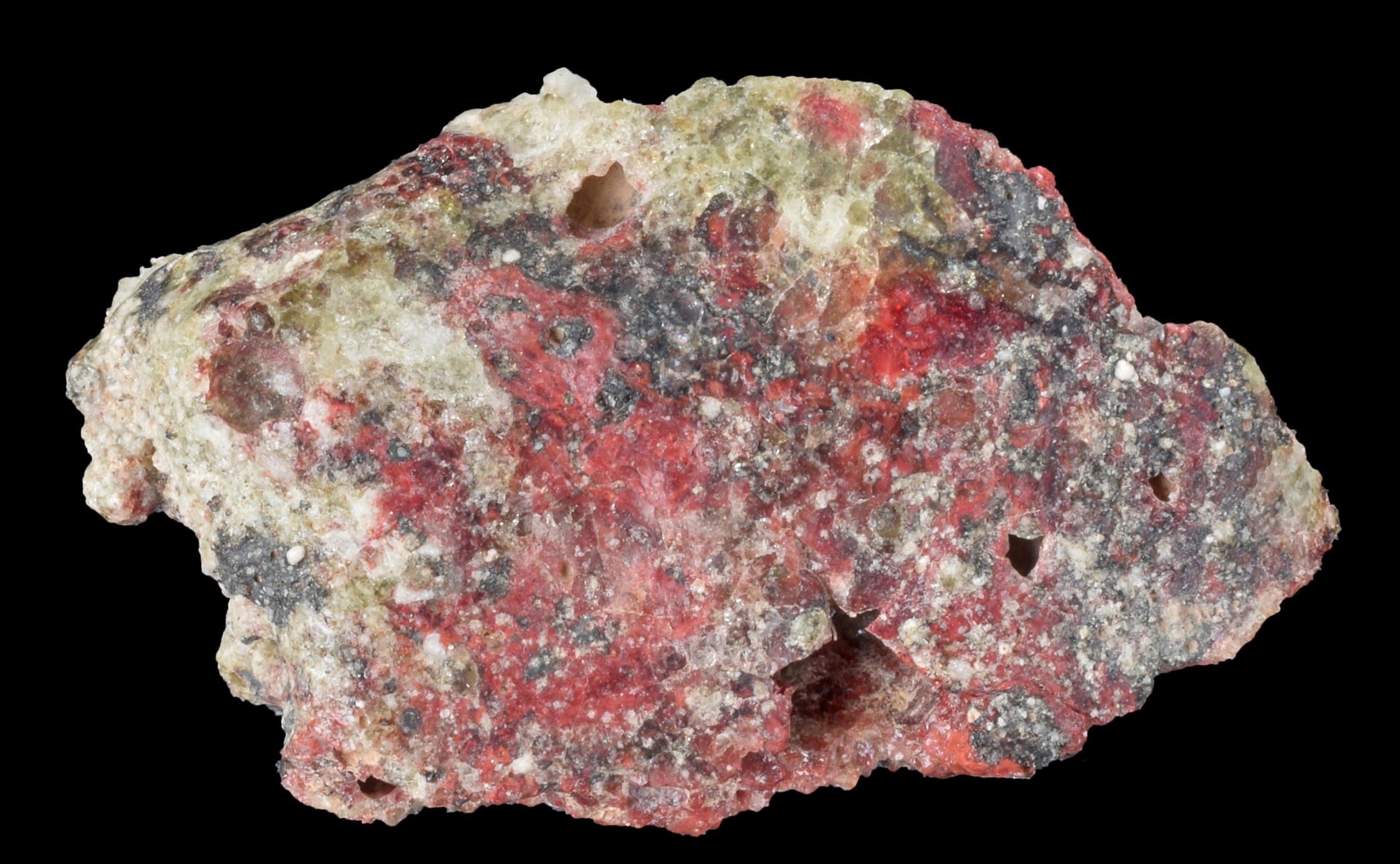
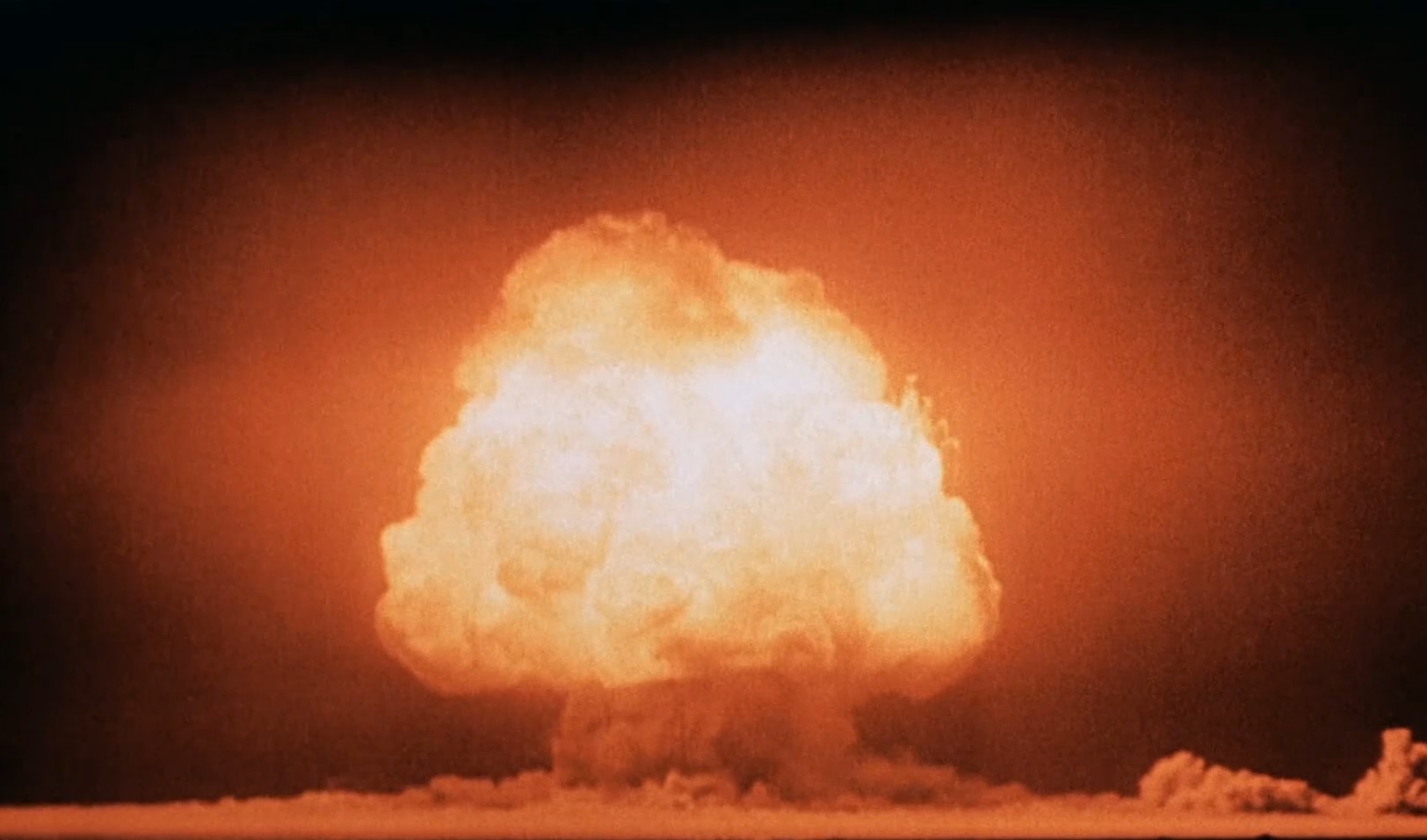
Red trinitite is technically not a true mineral, because it was not formed through a geologic process. Rather, this brick-red colored glass-like material was created at 5:29 A.M. Mountain Time on July 16, 1945 in the superheated blast fireball of the test of the first atomic bomb in Alamogordo, New Mexico. The atomic blast was so hot that it melted the surrounding desert sand, turning it into glass. Trinity was the code name for the first atomic test, hence the name “trinitite” for this material (for more on the Trinity test, see the 2023 release “Oppenheimer” movie). Green-colored trinitite, or green trinitite, was most abundantly created during the Trinity test blast. Red trinitite, however, is very rare, and gets its red color from the incorporation of material originating from copper electrical wiring and iron in the test tower being fused together with the quartz and feldspar sand grains from the desert floor. Of particular interest is that this specimen of red trinitite is brightly fluorescent under short wave UV light. The size of this specimen is approximately 3 cm x 1.5 cm.