Originally posted on Nature’s Rainbows by Graham Fraser.
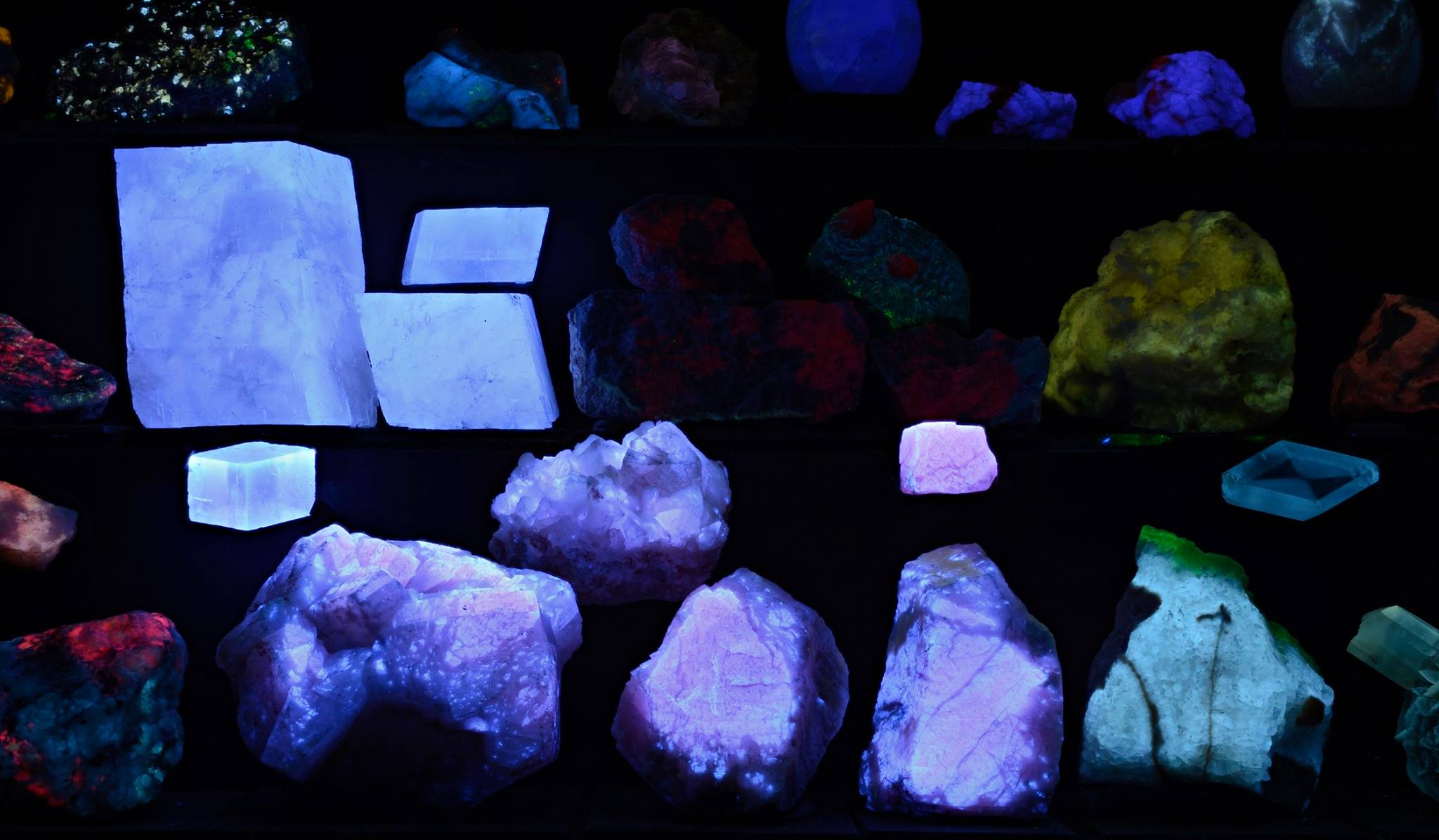
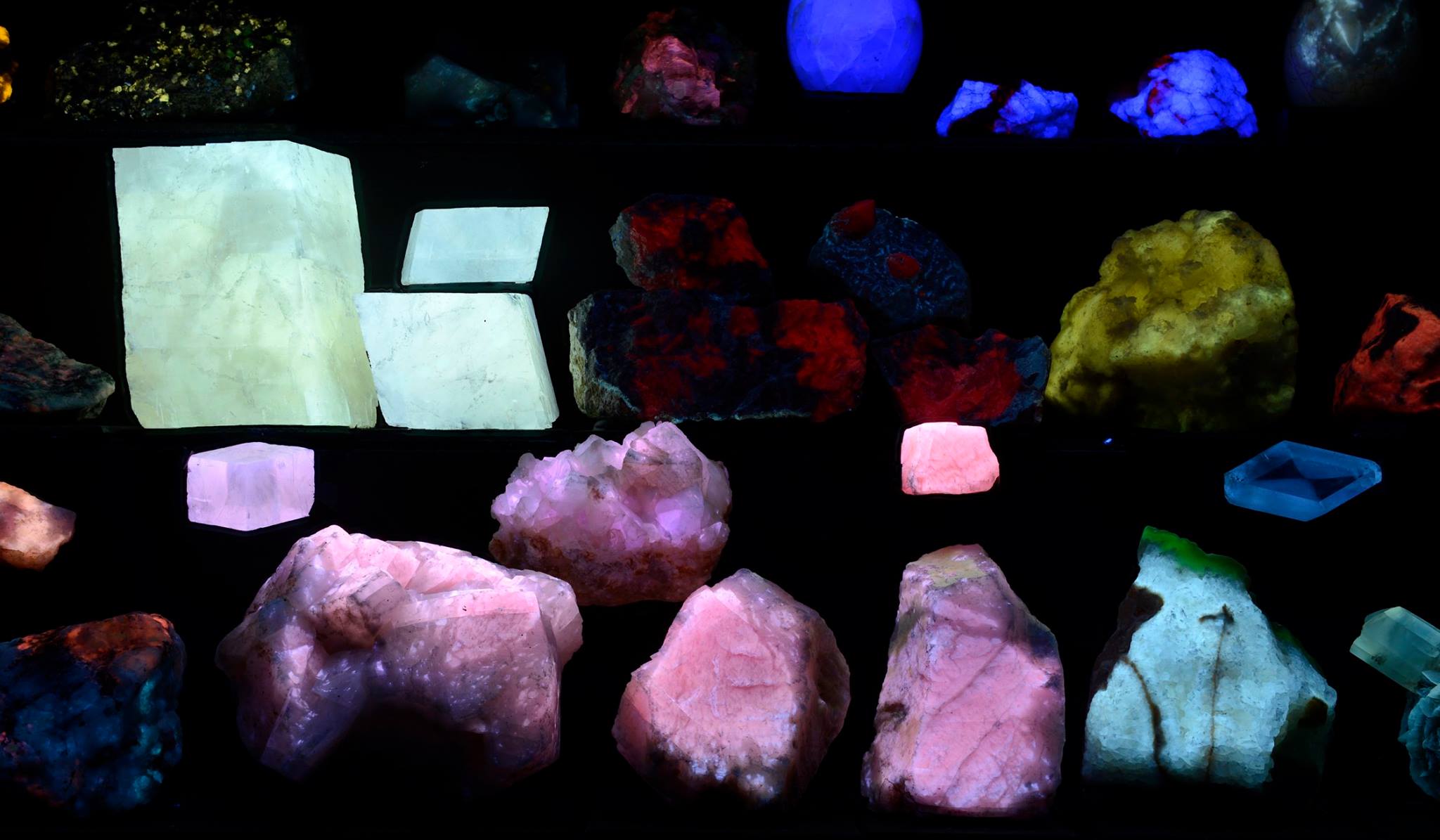
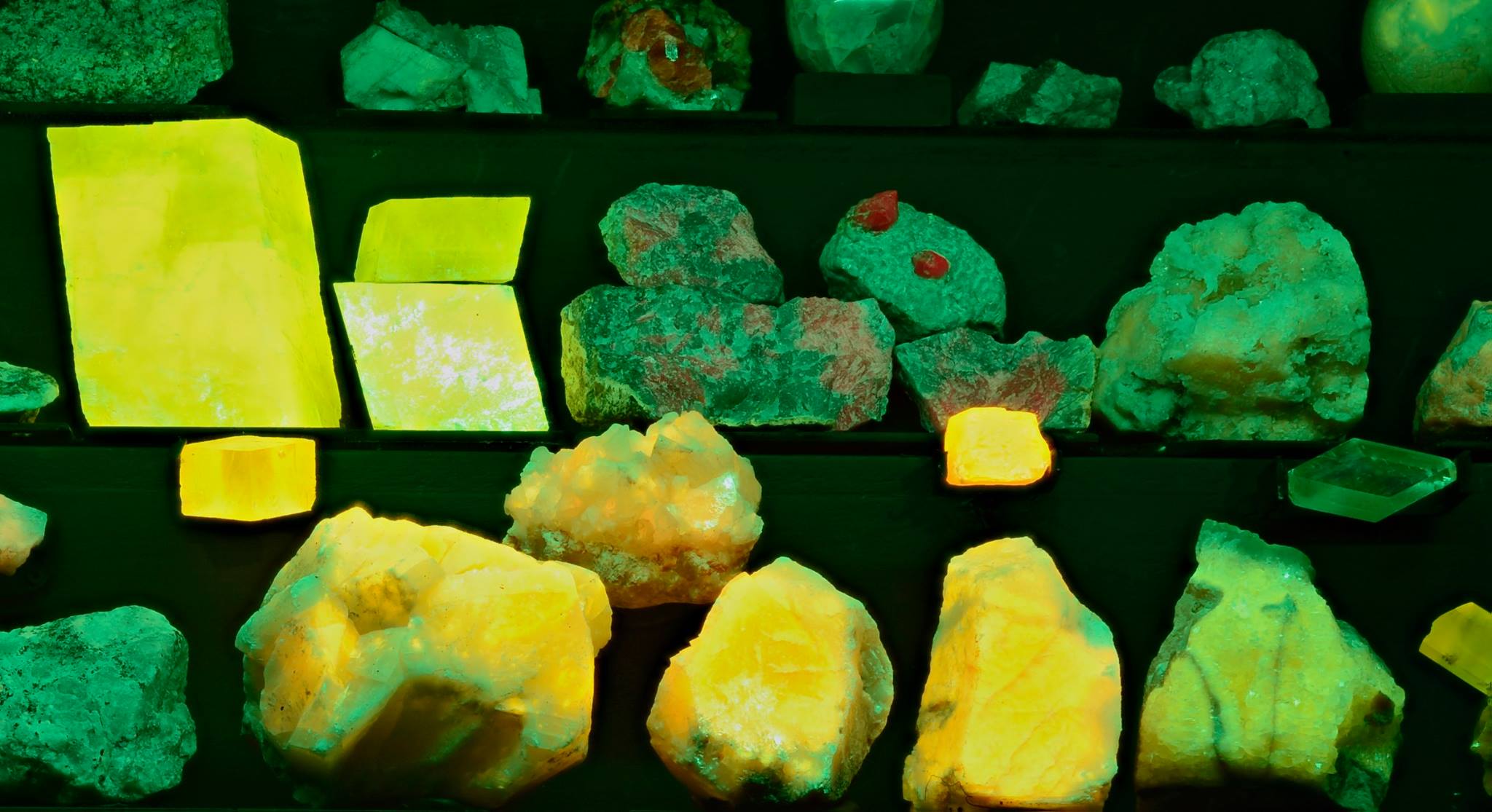
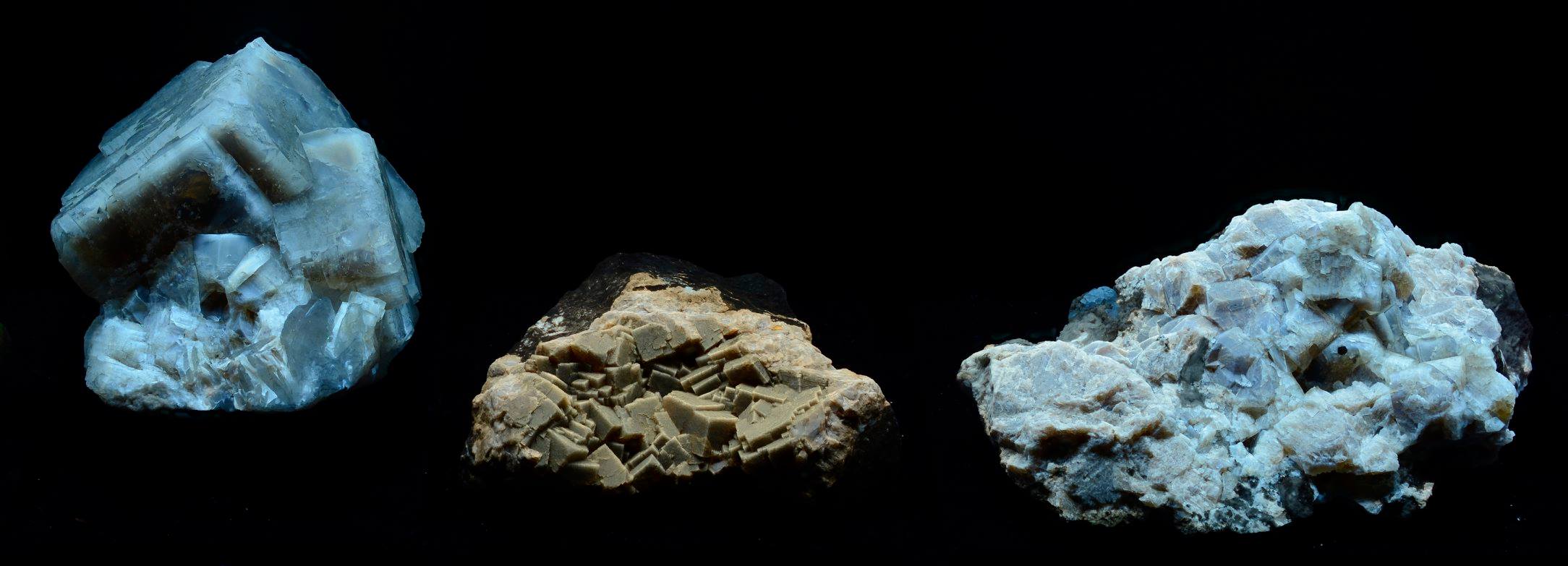
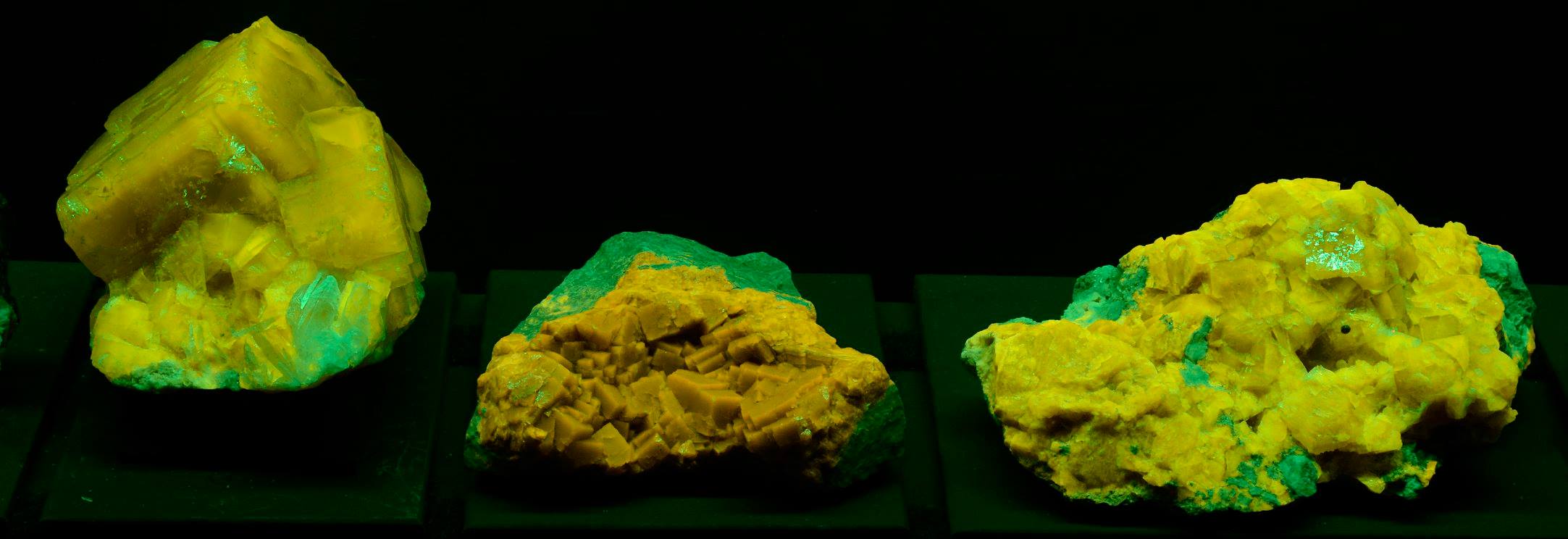
We all are familiar with fluorescence caused by UV. But an ordinary blue light (blue LED) does a pretty good job when combined with some yellow glasses to block the blue and let through the other colors. A very detailed study was conducted by Earl Verbeek, PhD and Charles Mazel, PhD and published in the Picking Table Vol. 55, No. 2 – Fall 2014.
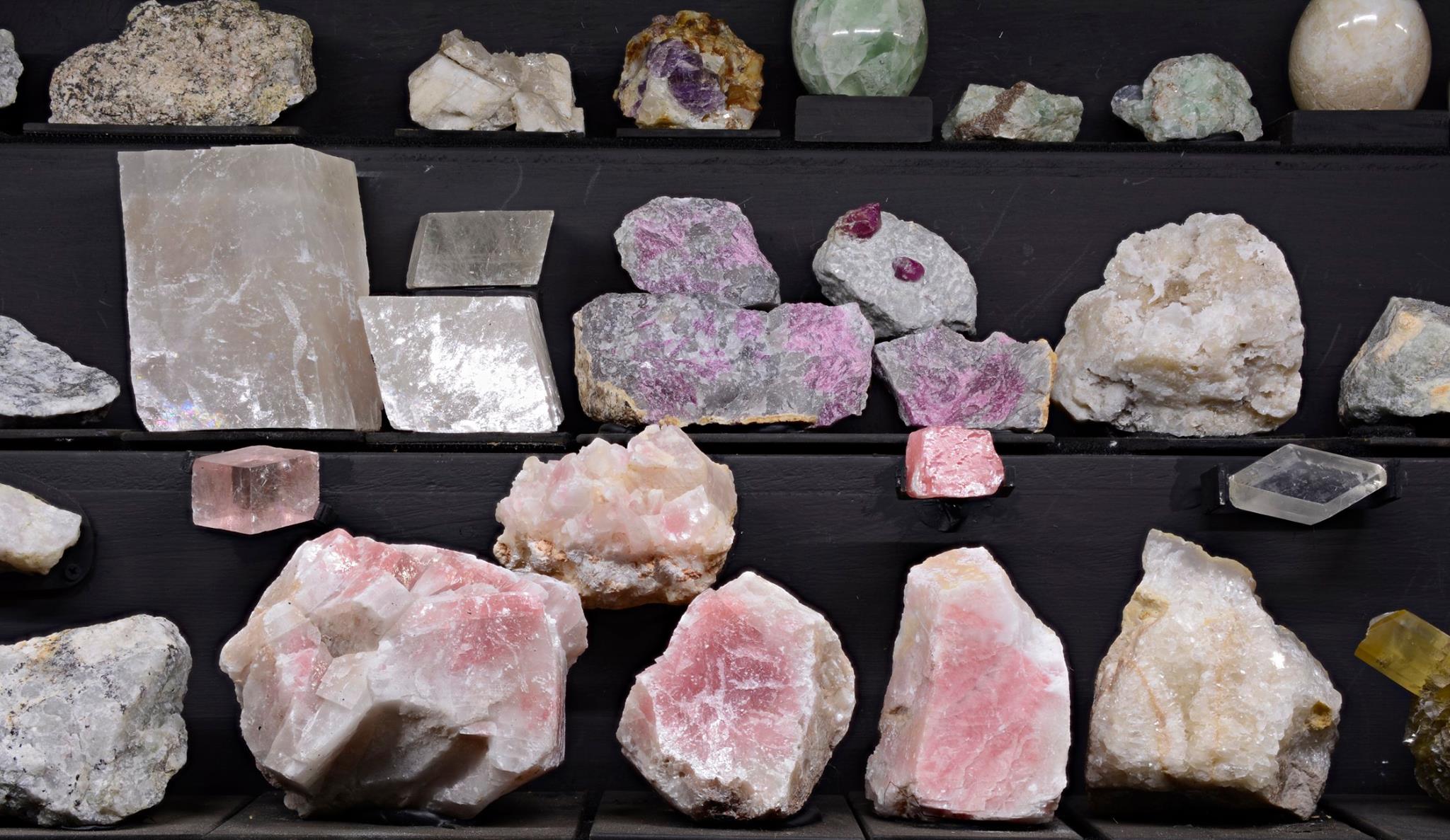
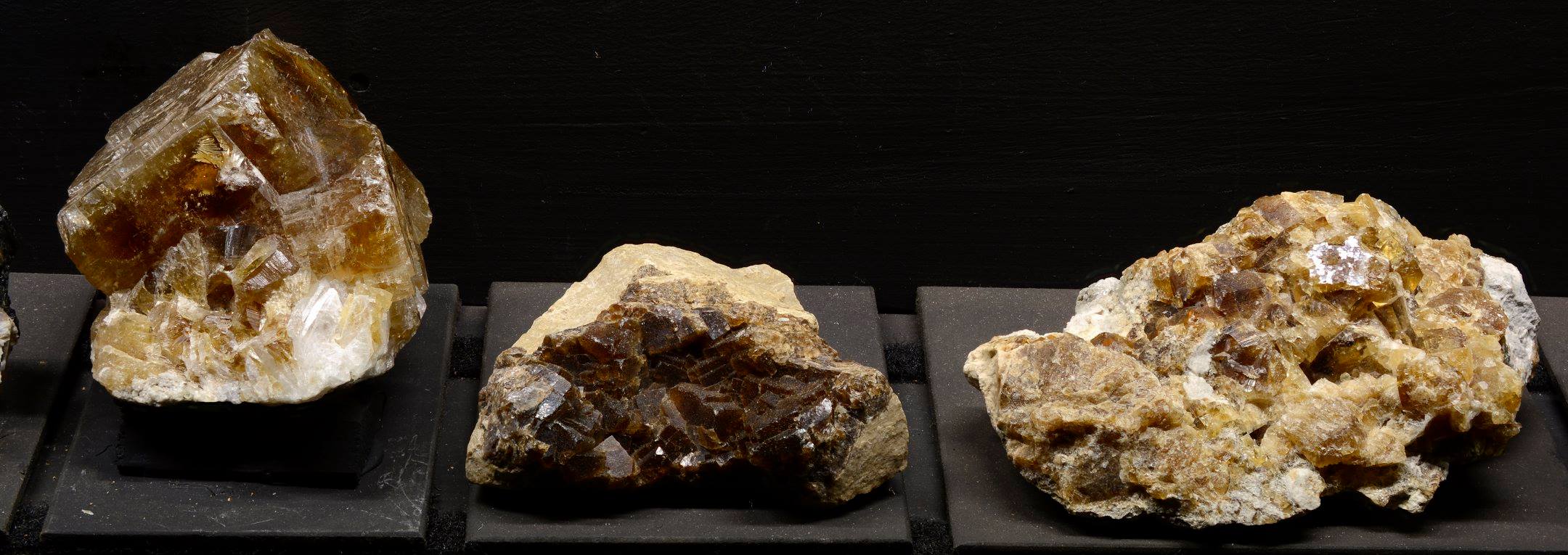
Here are some pics of it. The first series are mainly well known calcites. Top row middle is the piece of Afgan hackmanite. Middle row corundum (ruby) then Italian quartz, then part of an Italian aragonite. Bottom row Glendo calcite then part of a piece with gypsum crystals. The second series are all fluorites. Note that in the blue light pics there is no UV turned on. Blue light pics are taken through a Tiffen No12 filter which cuts out blue light.