Originally posted on Nature’s Rainbows in 2017 by Chris Clemens.
The promise of this year’s Super Diggg on April 29th was too tempting to resist- over six million pounds of Mill Site rock material, purported to contain copious amounts of rare fluorescent Parker Shaft minerals, would be made available to collectors for the first time since the late 1980’s, with the added enticement of the opportunity to collect on the Buckwheat Dump at night. To quote the travel brochure, this will be “The last great hope of collecting Parker Shaft Minerals from Franklin, NJ.” Upon hearing this, I made the decision to not miss this last in a lifetime opportunity, and to drive the 600 miles from my home in Northwest Indiana to attend my first Super Diggg in Franklin, New Jersey!
The backstory on the Mill Site rock material is that it originally resided at the site of the old Franklin Ore Mill, and contains material that was used for the emergency repair of a damaged rail trestle at the Mill Site. Due to the urgency to complete the repair quickly, the required fill material was obtained directly from the Parker Shaft and other areas, meaning it contained mine run material and not just waste rock. In the past, rare Parker Shaft minerals have been found in this Mill Site material, appearing to confirm the story of its origin. In 2007, construction of a senior citizen’s apartment building was begun at the location of the Mill Site material. Forward-thinking Franklin locals coordinated with the construction company for the relocation of the Mill Site stock to a closed area on the property of the Franklin Mineral Museum, thus conserving this precious resource of rare fluorescent minerals for future collecting. Since 2007, the Mill Site pile sat idle until the week of this year’s Super Diggg. [https://www.mindat.org/loc-250796.html]
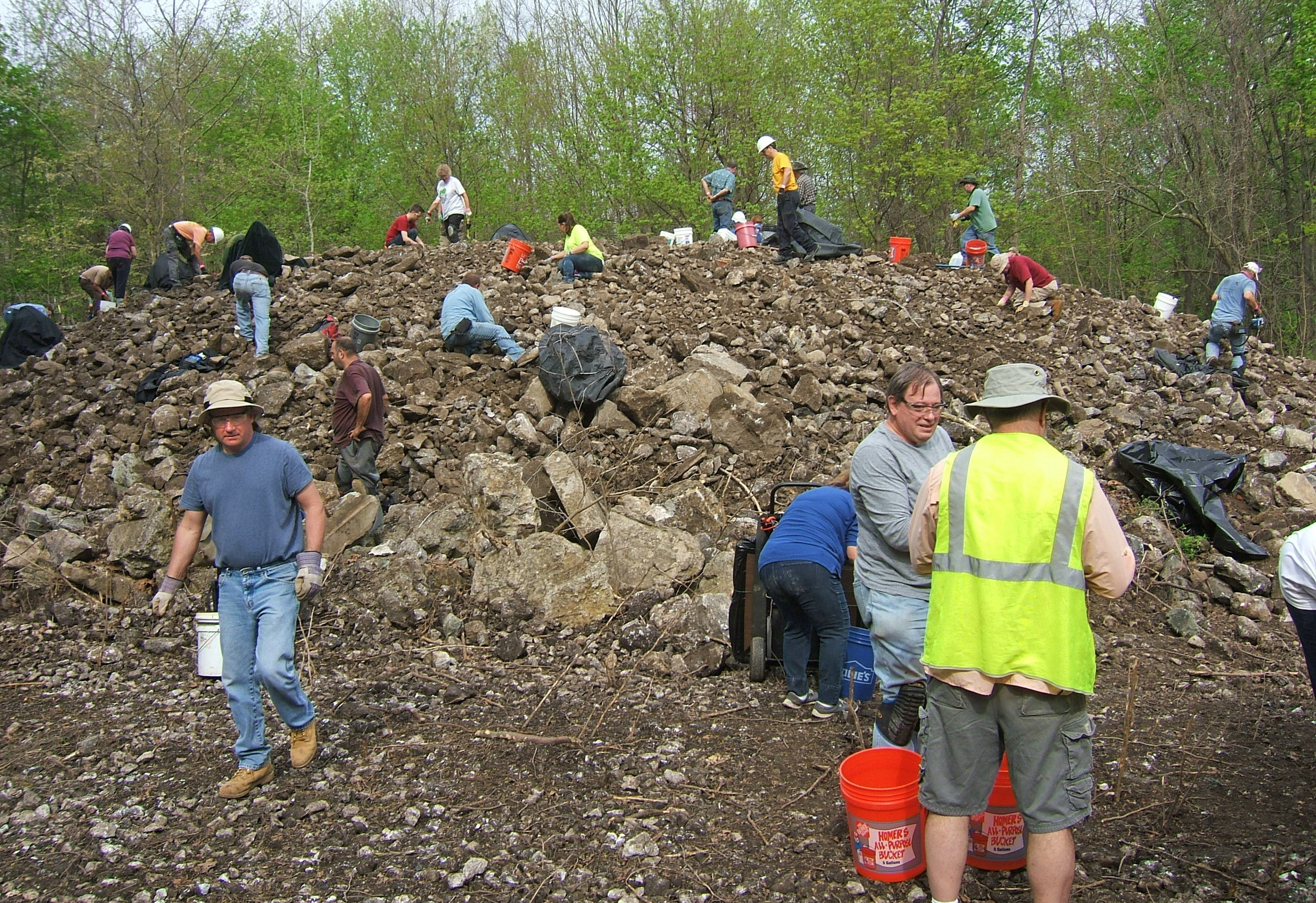
During Super Diggg 2017, collecting on the Mill Site pile was done on a limited basis in three separate “Premium” shifts. Each shift allowed only 75 collectors into the closed, fenced-in area, and lasted for 3 hours. On the night that online registration opened for the Super Diggg, I stayed up until midnight to be one of the first to register, to insure a spot in the first collecting rotation of the day.
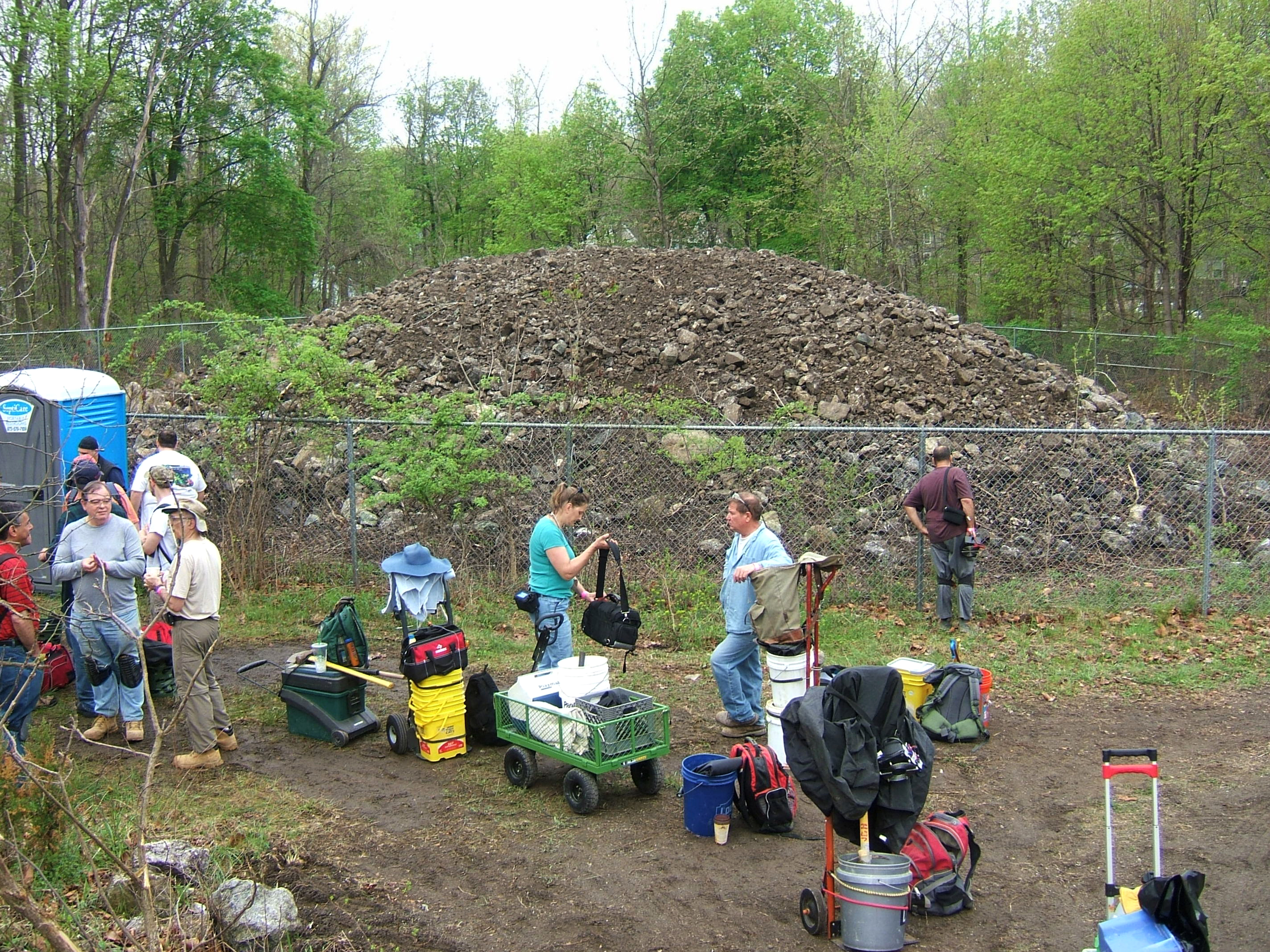
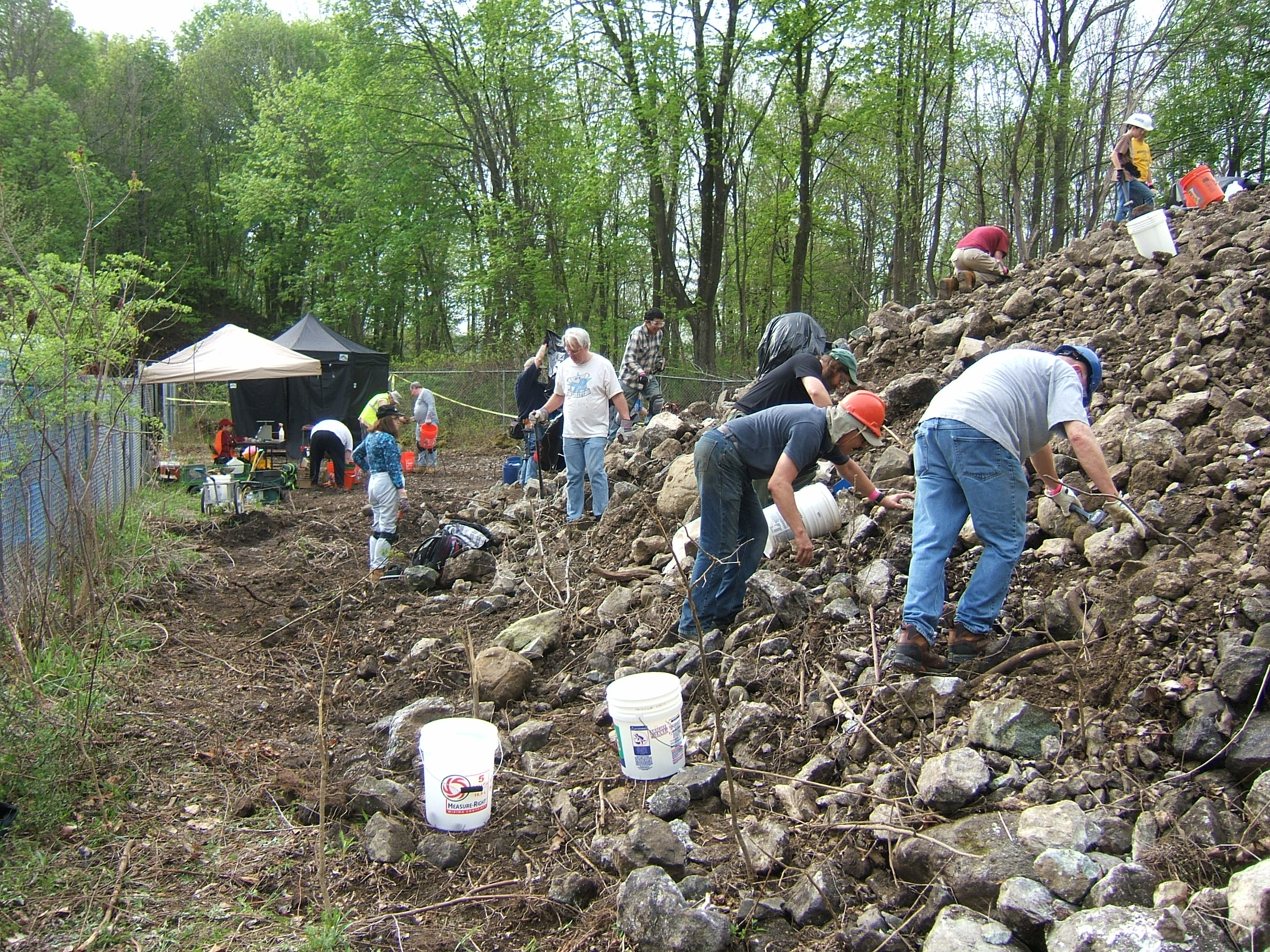
It had rained heavily up until 4 AM the night before the Super Diggg, but the storm moved out hours before collectors started lining up for the start of the first premium shift at 9. The night’s rain had the benefit of tacking down the dust in the collecting area. My wife Kristine helped me carry my load of collecting gear down to the line, and we were amazed at the variety of improvised UV lamping boxes and hand carts devised for hauling collecting equipment and rocks that we saw lined up at the gate. Lamping set-ups ranged from the classic grill covers and black-painted refrigerator boxes to very well-designed portable units consisting of PVC pipe frames with black cloth covering. Fluorescent mineral collectors are an ingenious group! At 9 AM sharp the gate was opened, letting in the flood of the first group of 75 collectors. Everybody found a spot to call their home base around the perimeter of the pile, and the rock breaking and lamping began! I set up next to the dynamic collecting team of Steve and Heather Hutchcraft from California.
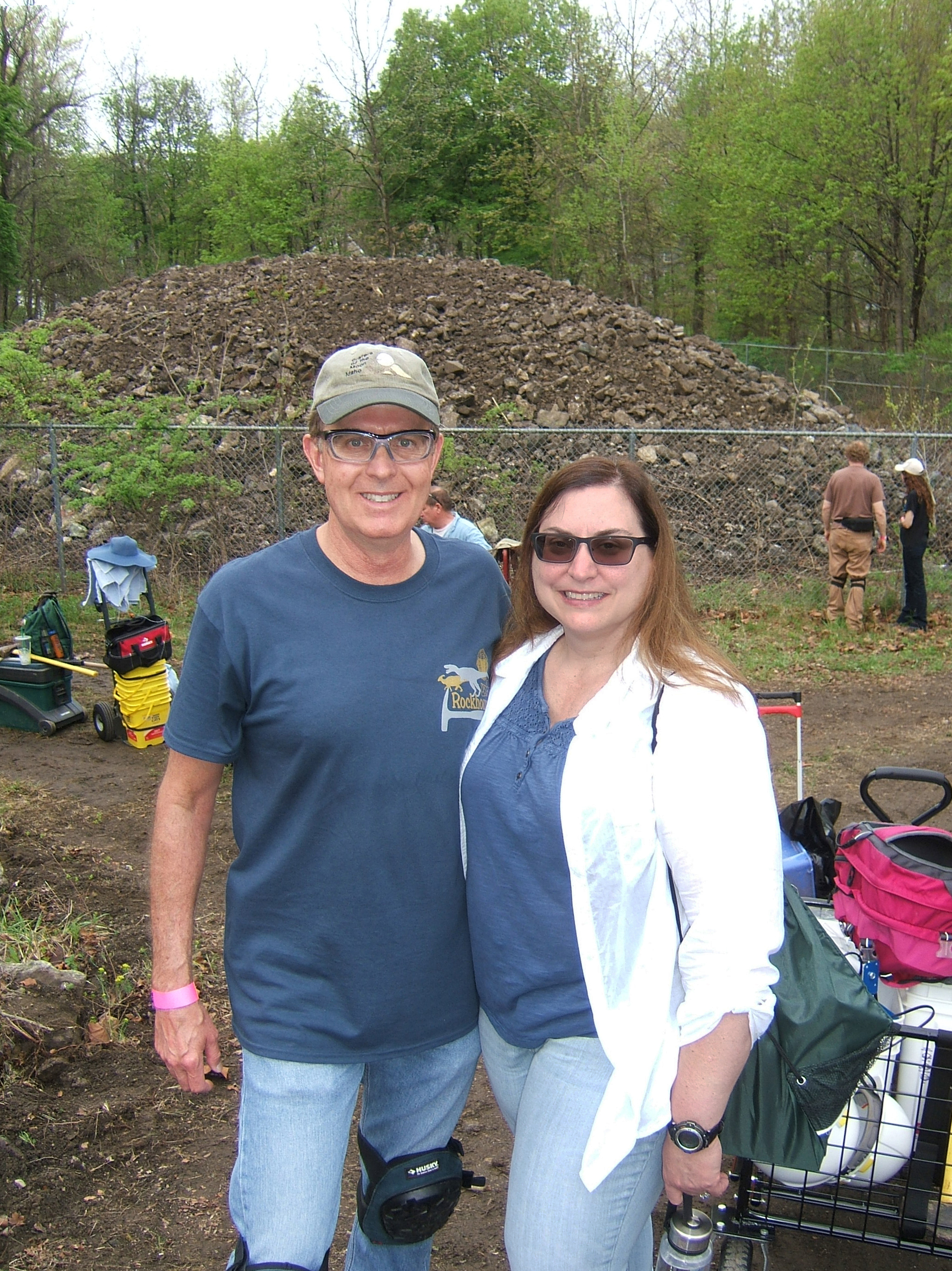
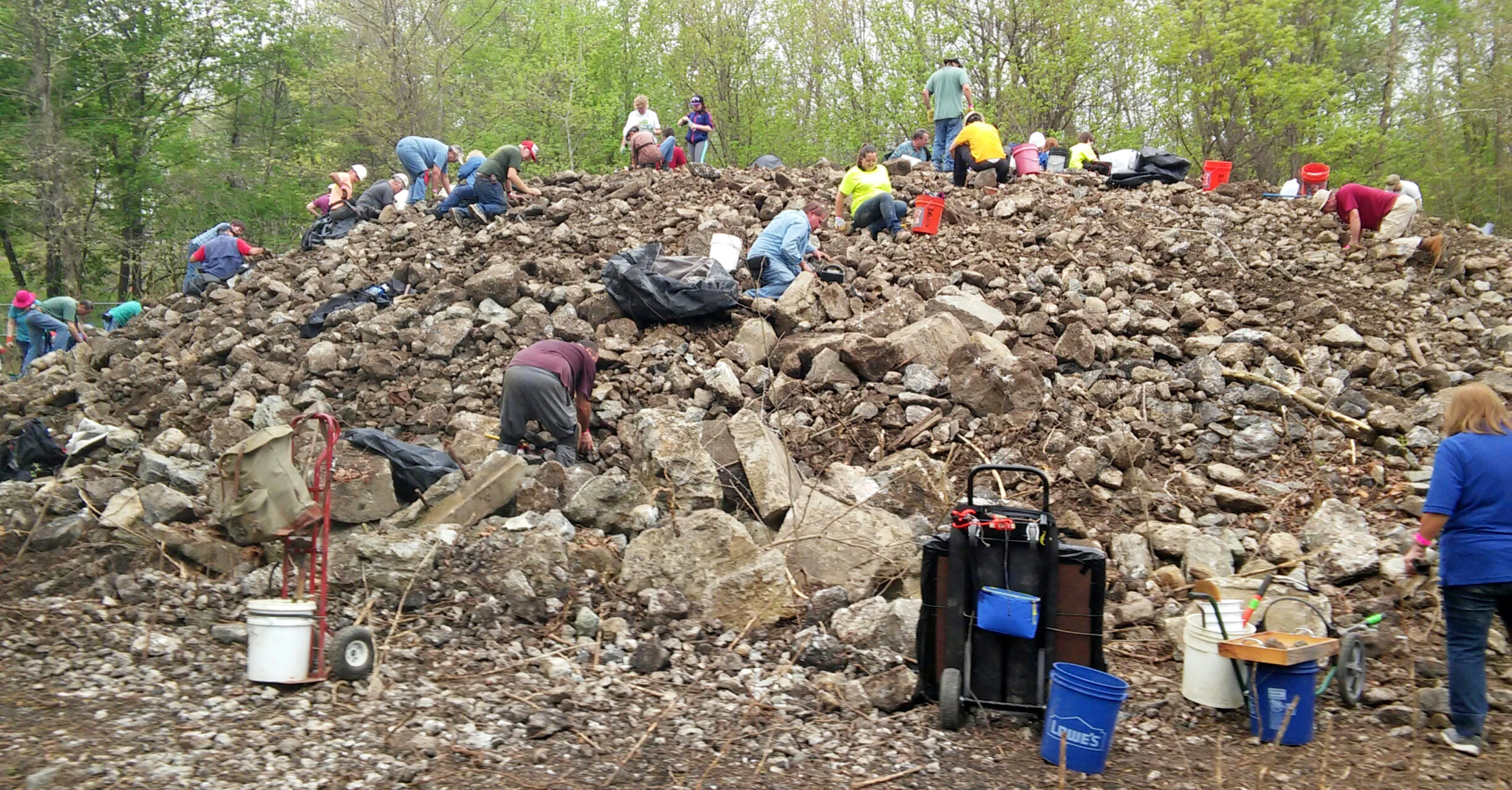
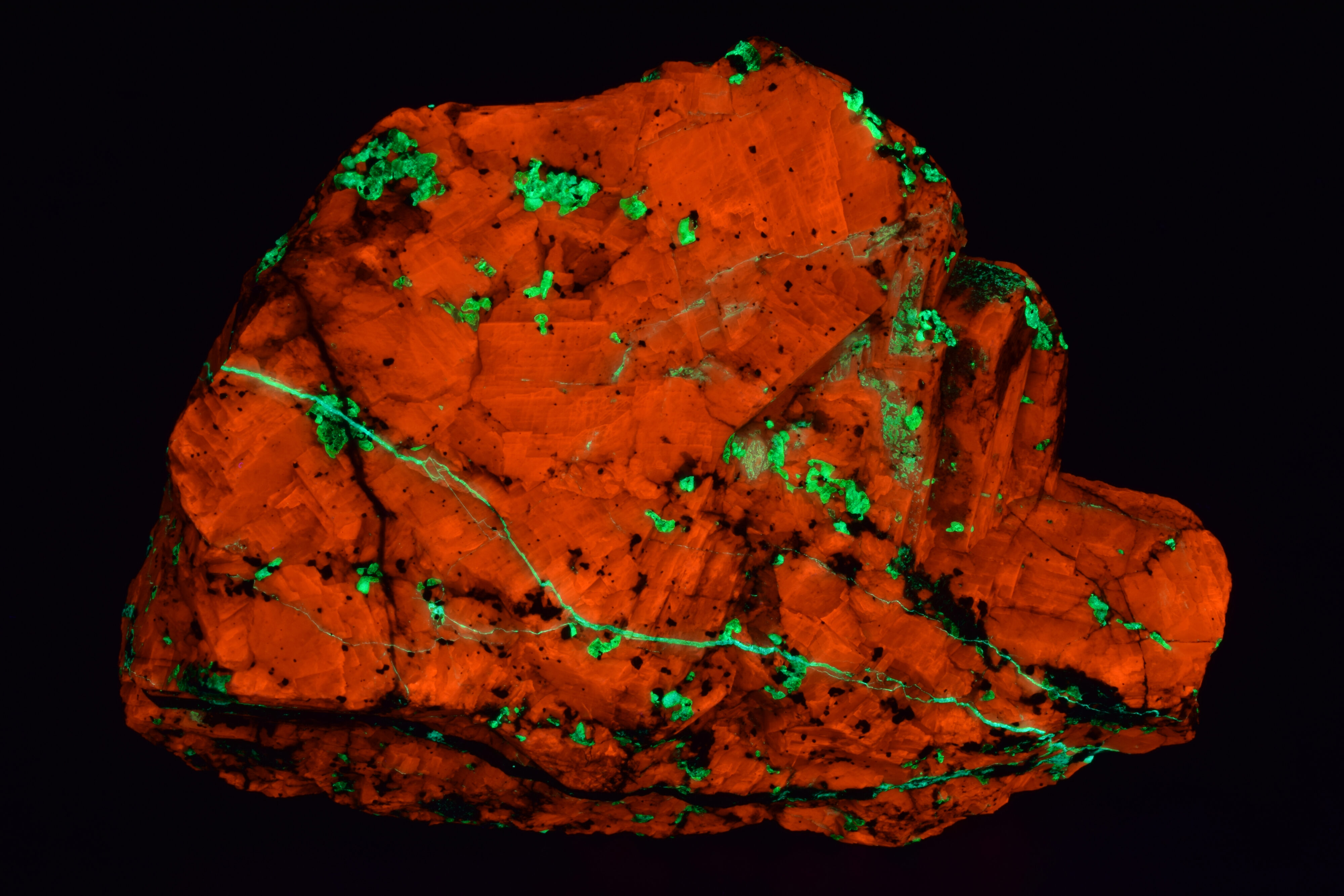
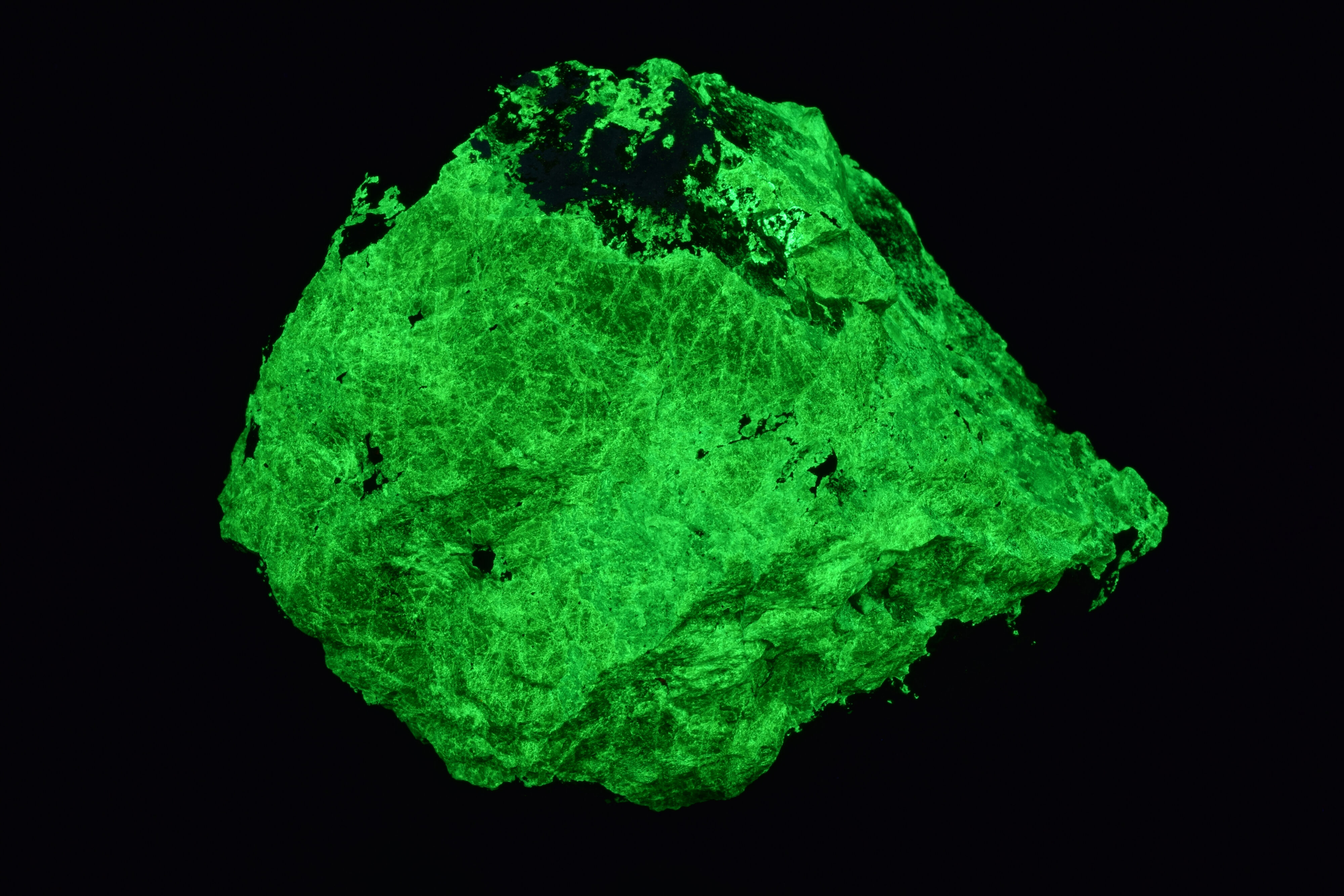
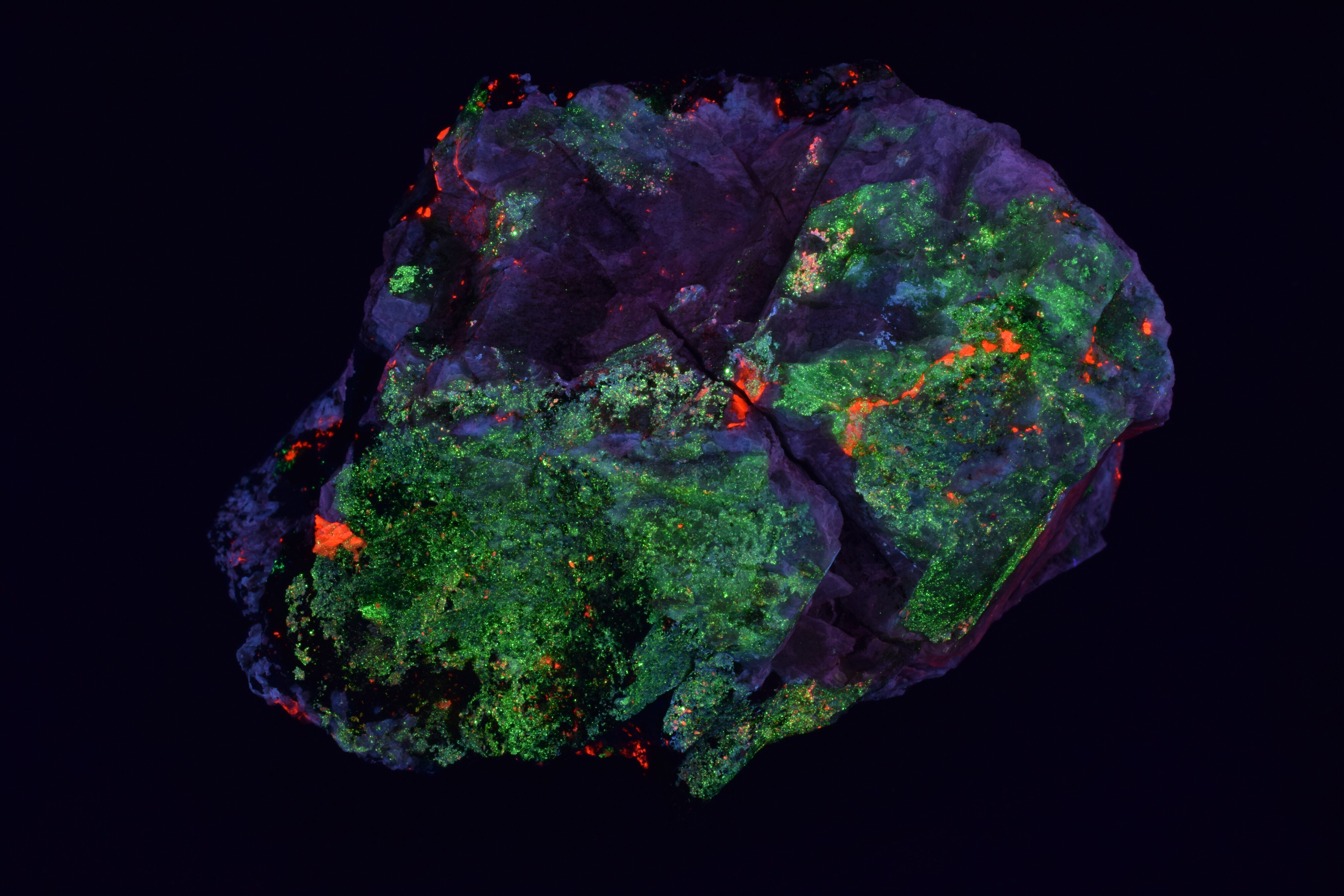
From the start, I saw a lot of orange and green fluorescence under my grill cover. Common fluorescent calcite, and to a lesser extent willemite, was everywhere. I broke a lot of rock and saw a lot of orange and green! At one point under the grill cover, I saw a bright blue/white fluorescent object crawling across the surface of one of my rocks. It turned out to be a Deer Tick. Who knew that they were brightly fluorescent! I should have gotten a photo. A little while later I found another one crawling on my pant leg. Luckily that was the last one I saw. I’m still hoping I didn’t bring any home with me!
After my session ended at noon and I paid for my finds, I met up with Kristine and we grabbed some lunch at a local Franklin diner- the Sit n’ Chat. The food was great, and the portion size was beyond belief!
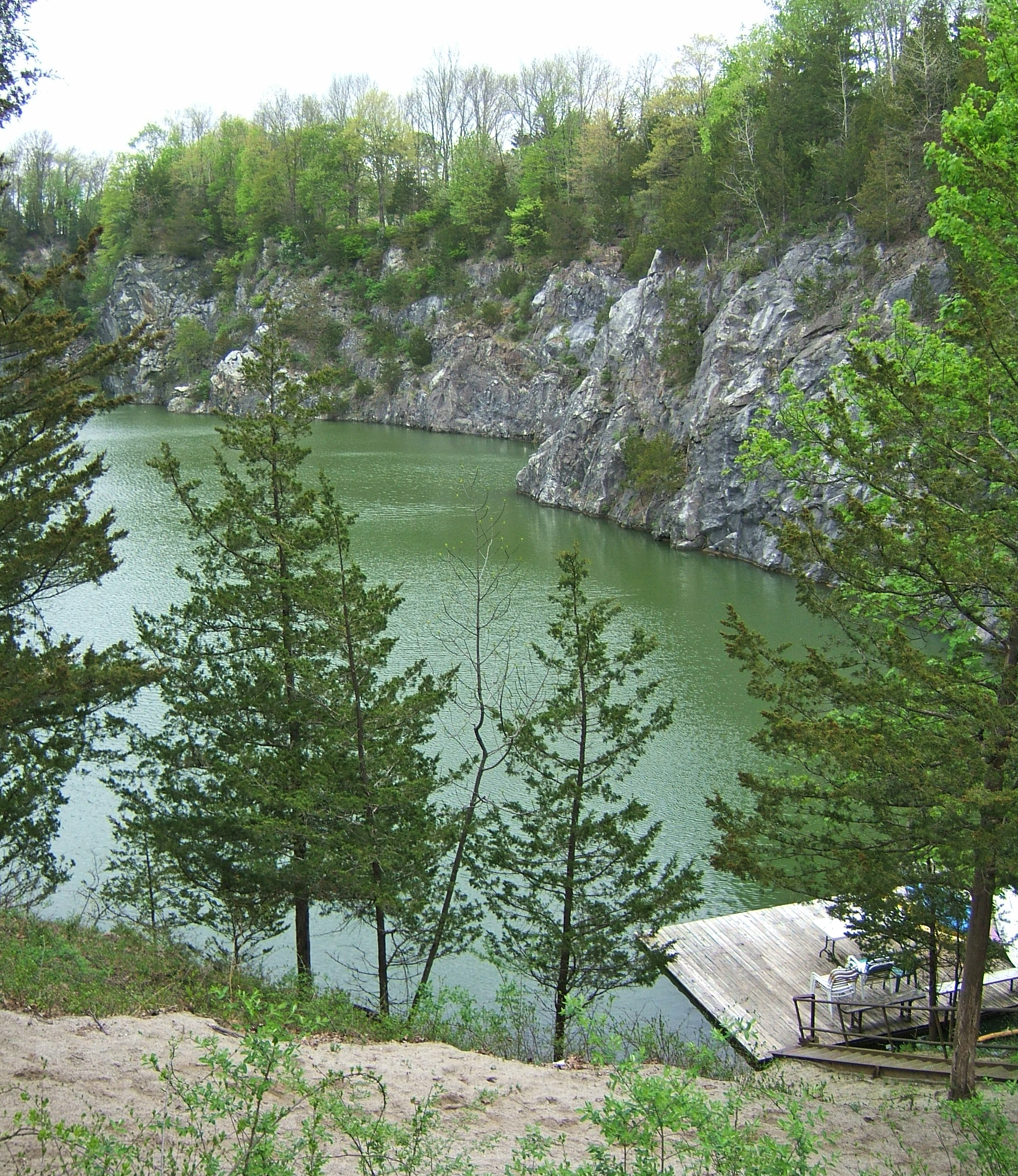
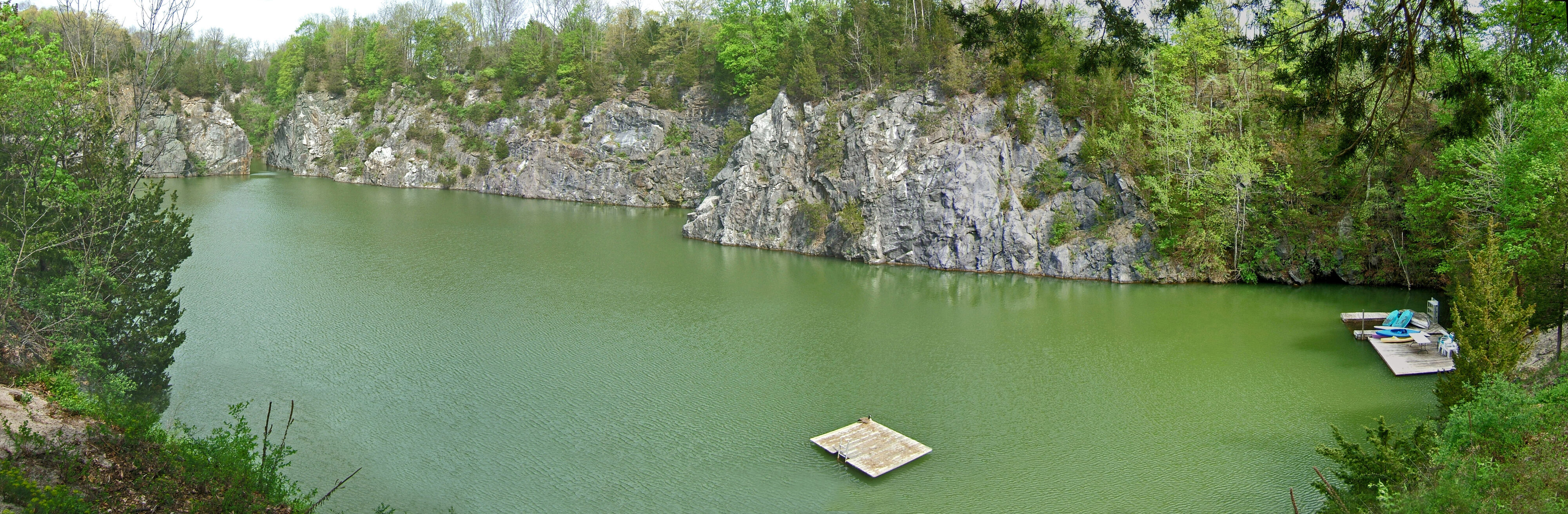
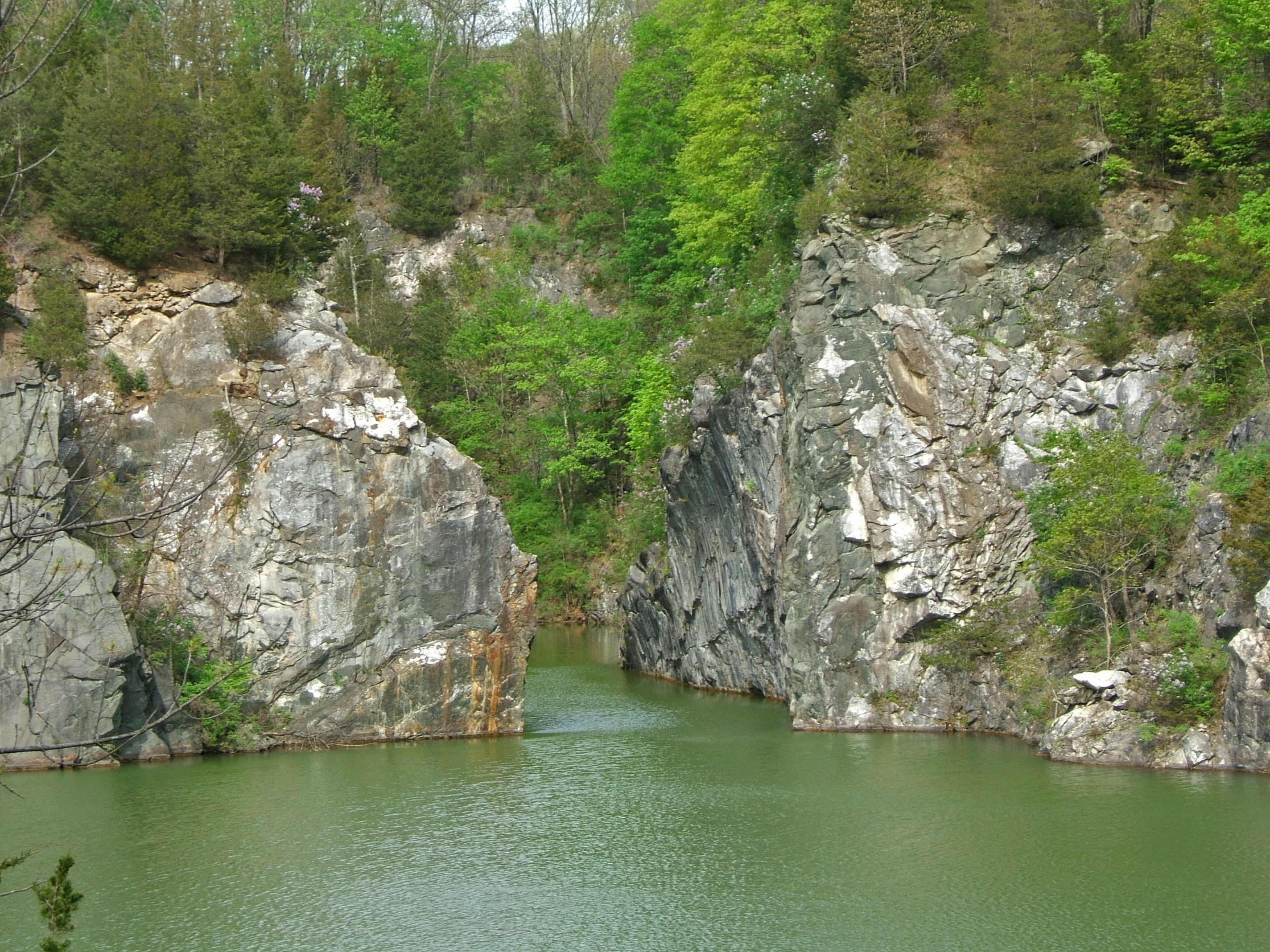
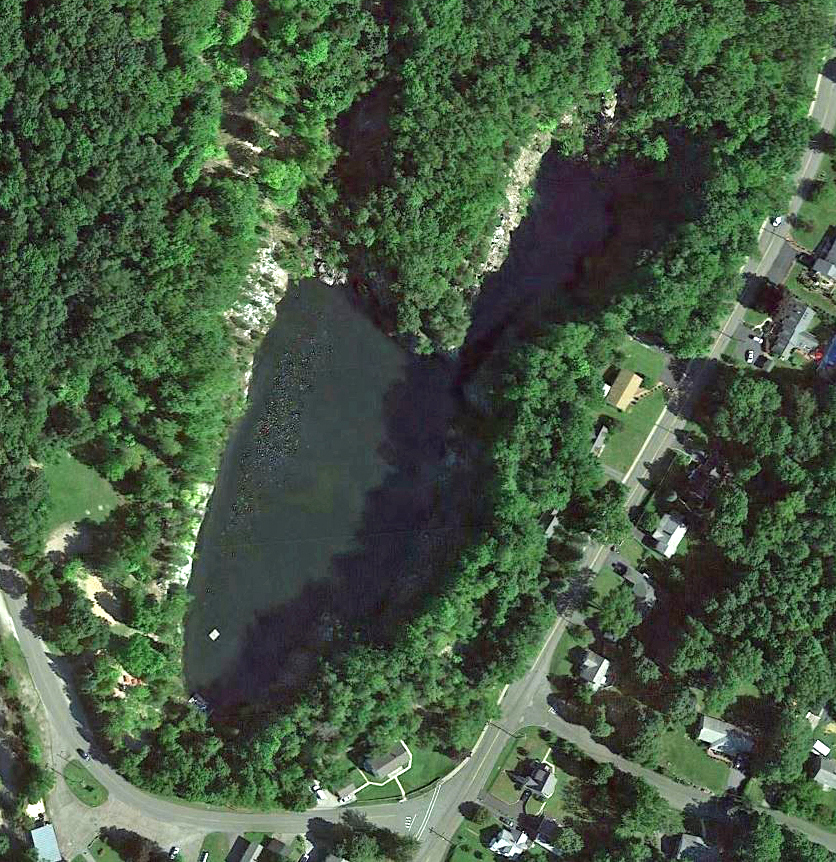
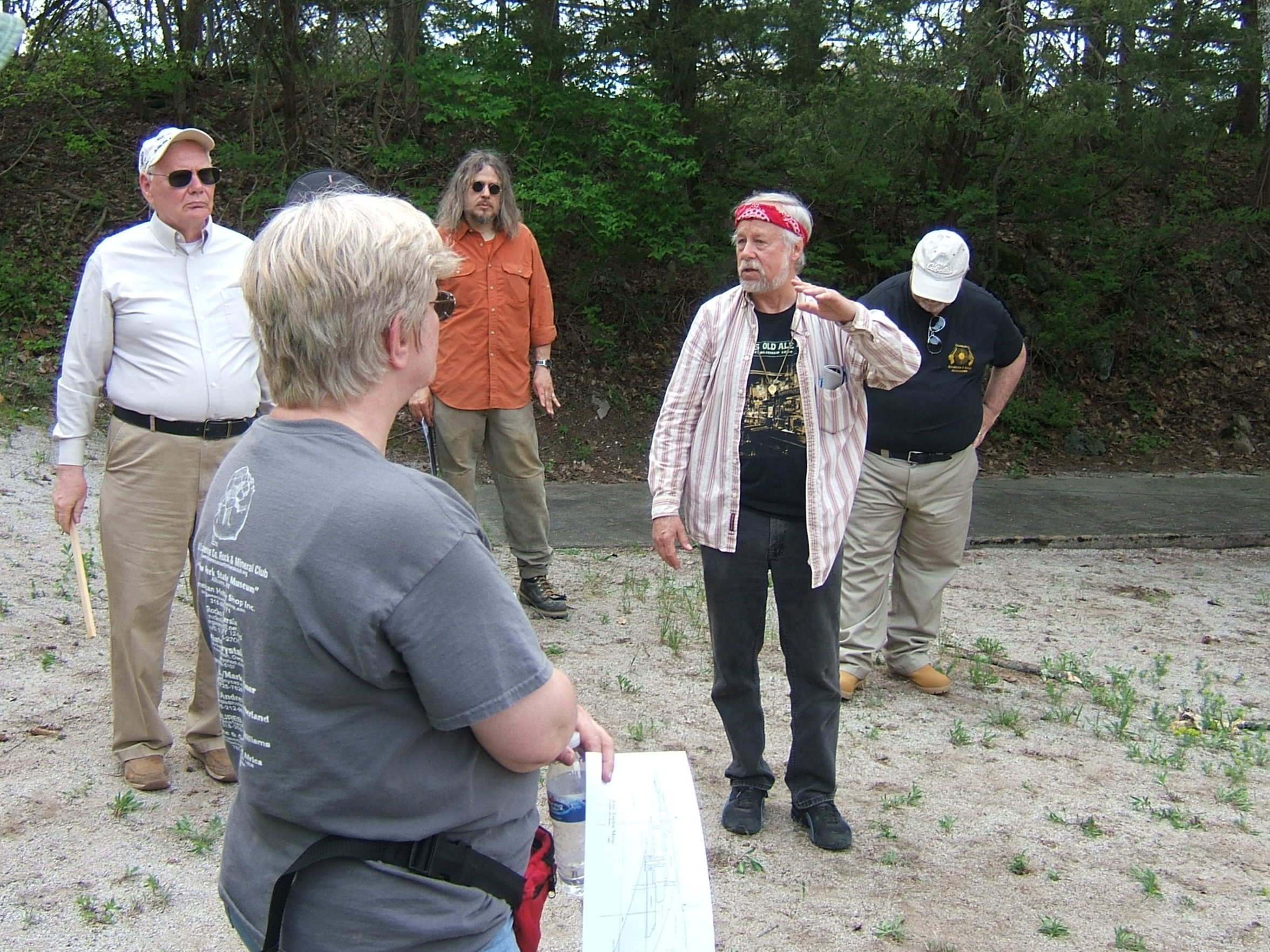
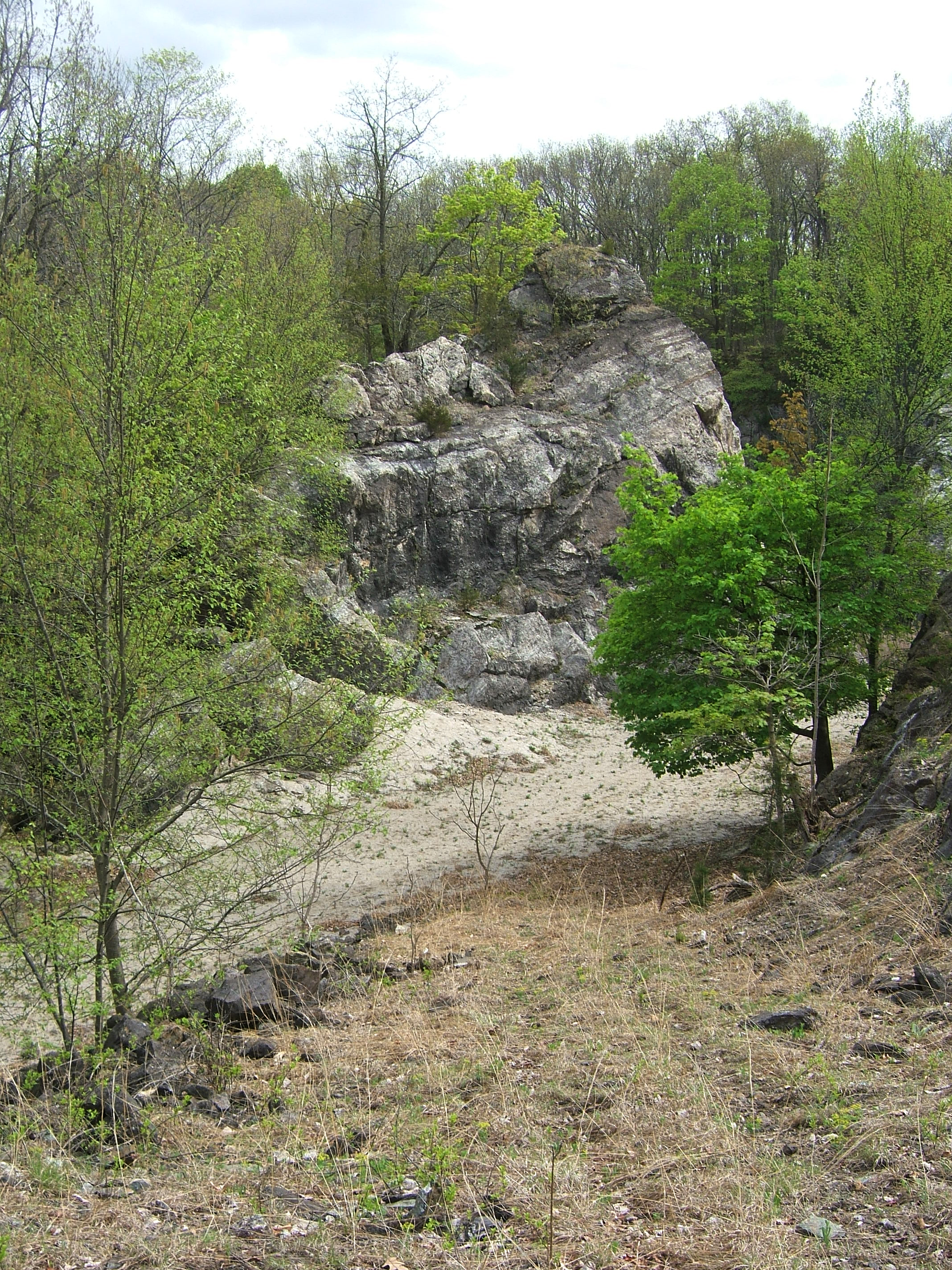
After re-fueling, we headed back to the Franklin Mineral Museum to catch the afternoon tour of the Buckwheat open pit and the Trotter property. Ever wonder what’s on the other side of that fence across the street from the Franklin Museum? This was your chance! Led by Dr. Earl Verbeek and others, the tour began at the gate in the fence across from the museum, and we were lead to an overview of the original Buckwheat open cut mine. Now largely filled with water, the present day Buckwheat pit now looks like a beautiful high alpine lake in the mountains, surrounded by towering cliffs and trees. The property is currently privately owned, and is used for parties and recreation. The remaining exposure of the Franklin ore body is still visible in the rock face looking north toward the far end of the lake. We were then led beyond the far north end of the pit to the capped tunnels of the Trotter mine and beyond. Dr. Verbeek provided excellent descriptions of the geological processes and timeline that resulted in the formation of the Franklin ore body, and pointed out numerous exposures of rock of geological significance.
Before hitting the road the next morning, we attended a meet and greet for visiting FMS members, organized by Howie Green and the NERFS, in conjunction with the Franklin Spring Mineral show at the Franklin School. Not only was this a great opportunity to meet other like-minded collectors and share stories of the previous day’s collecting action, but the world-class fluorescent displays at the show were not to be missed! Thanks so much to Howie and the NERFS for organizing this wonderful get-together.
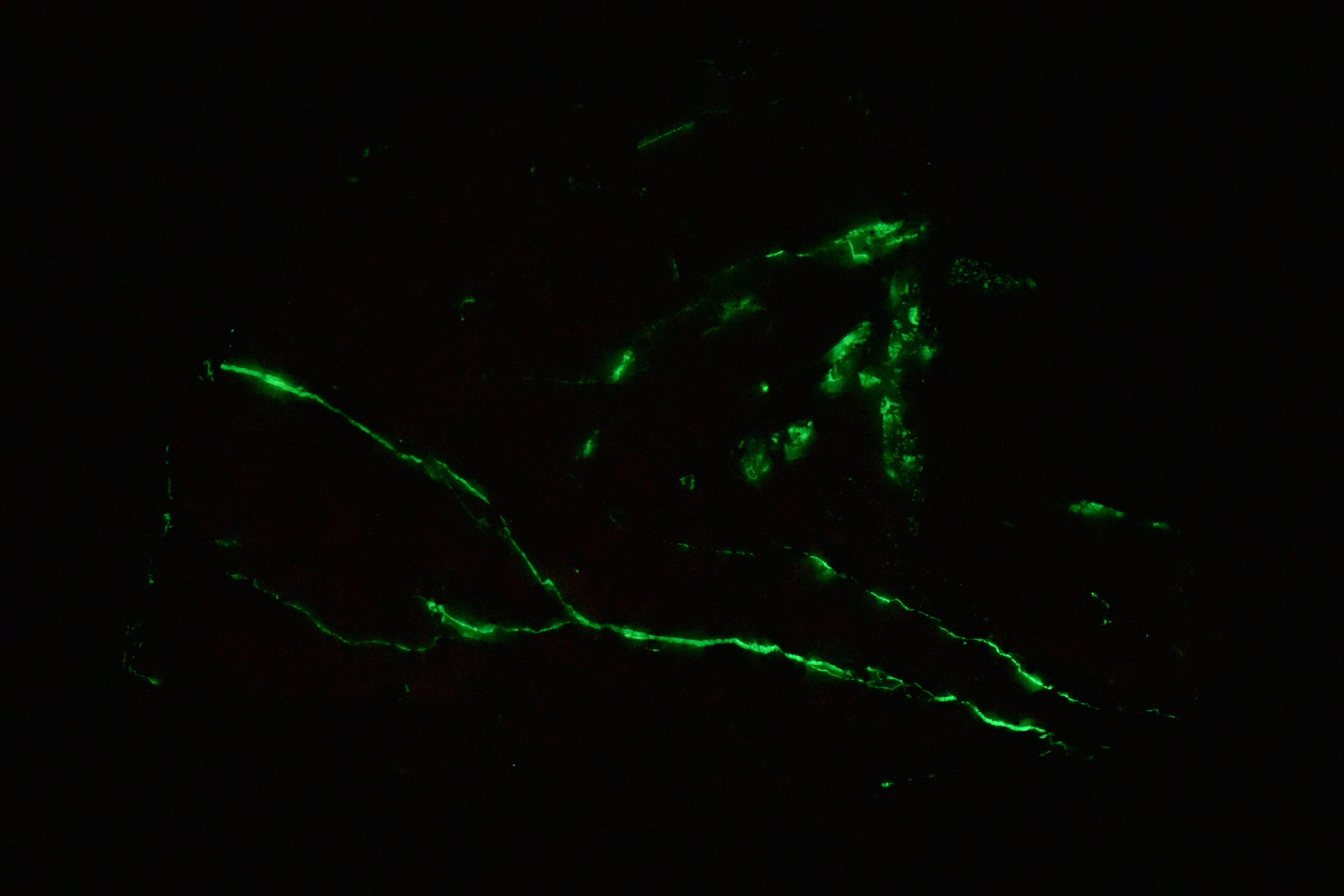
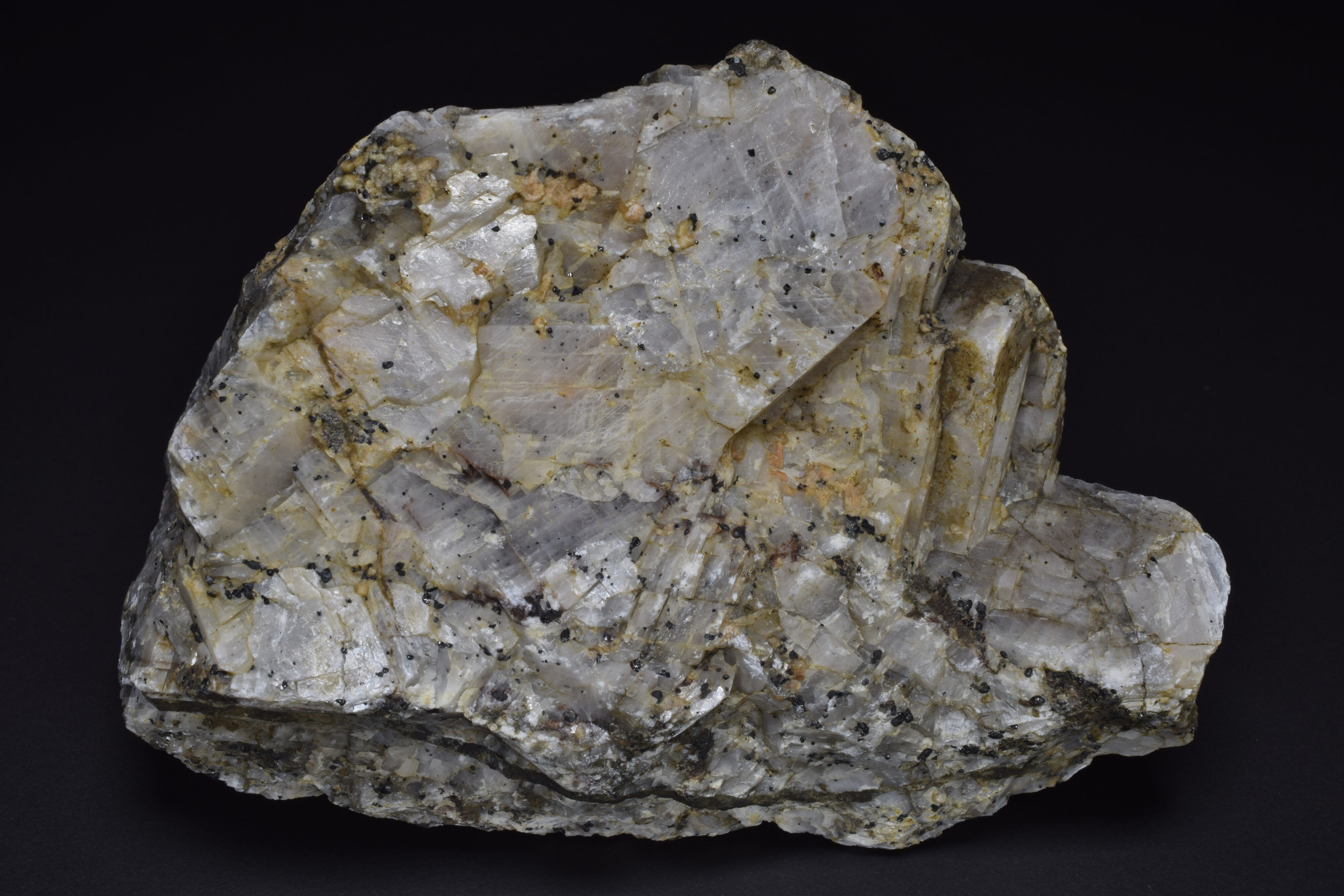
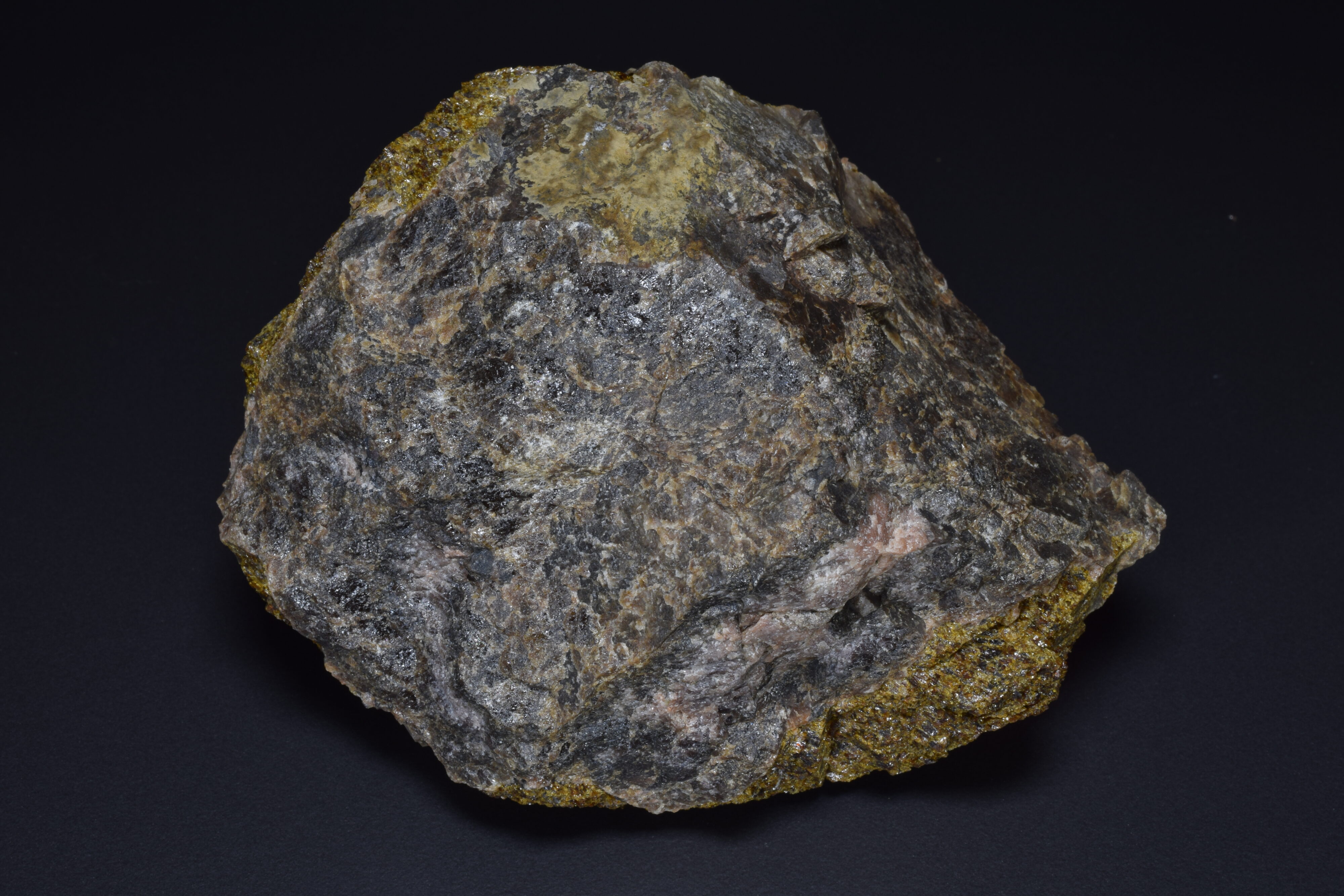
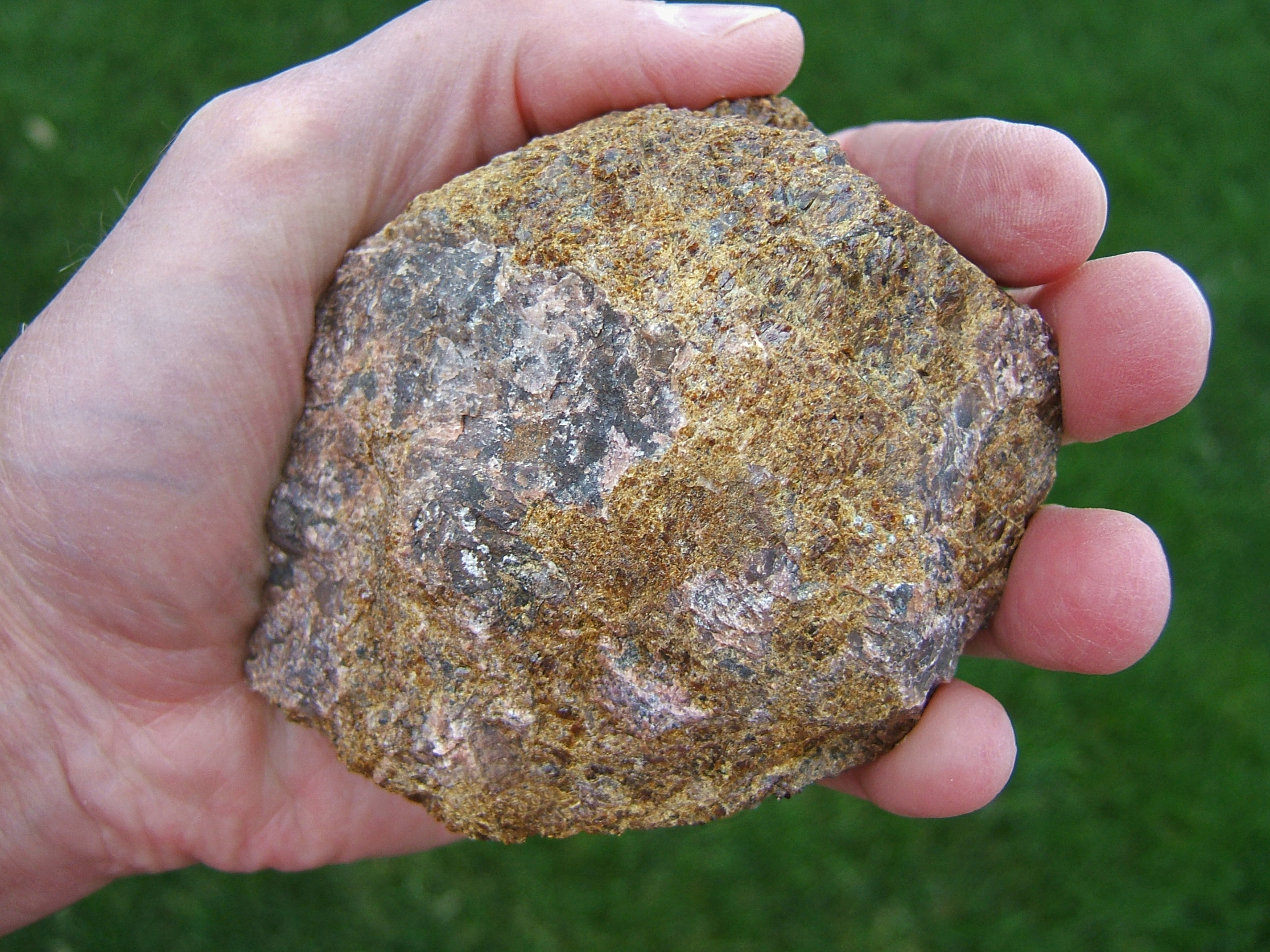
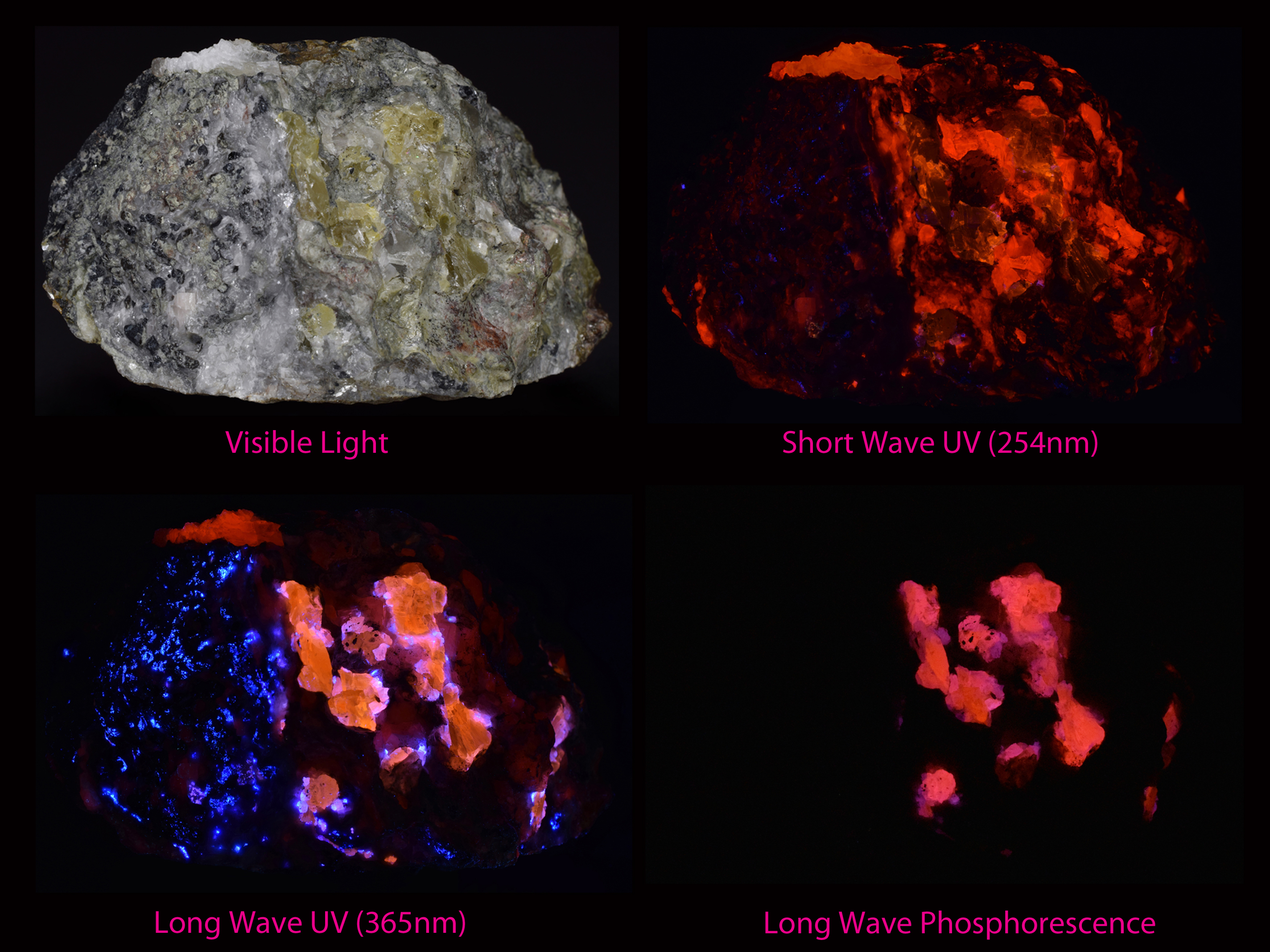
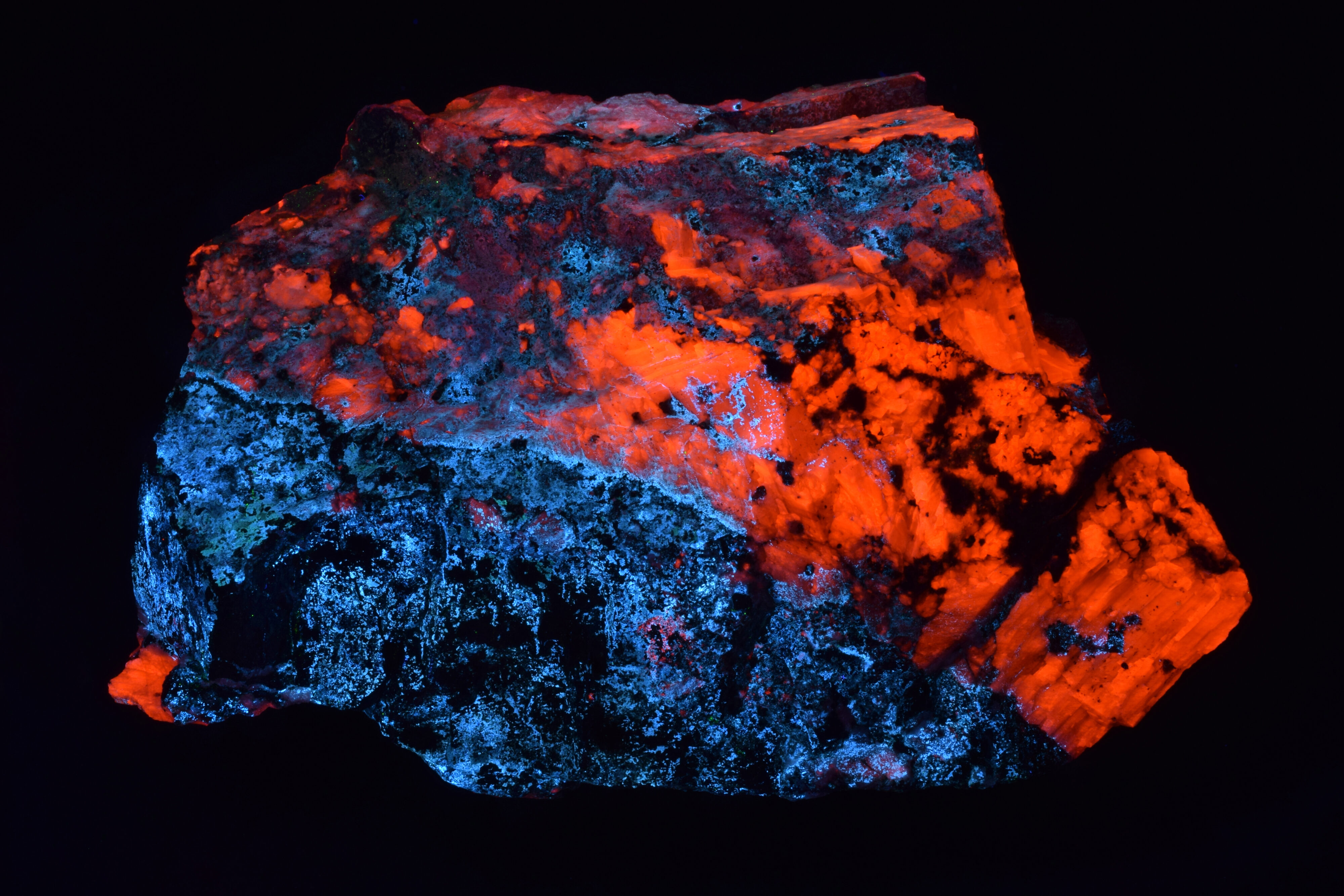
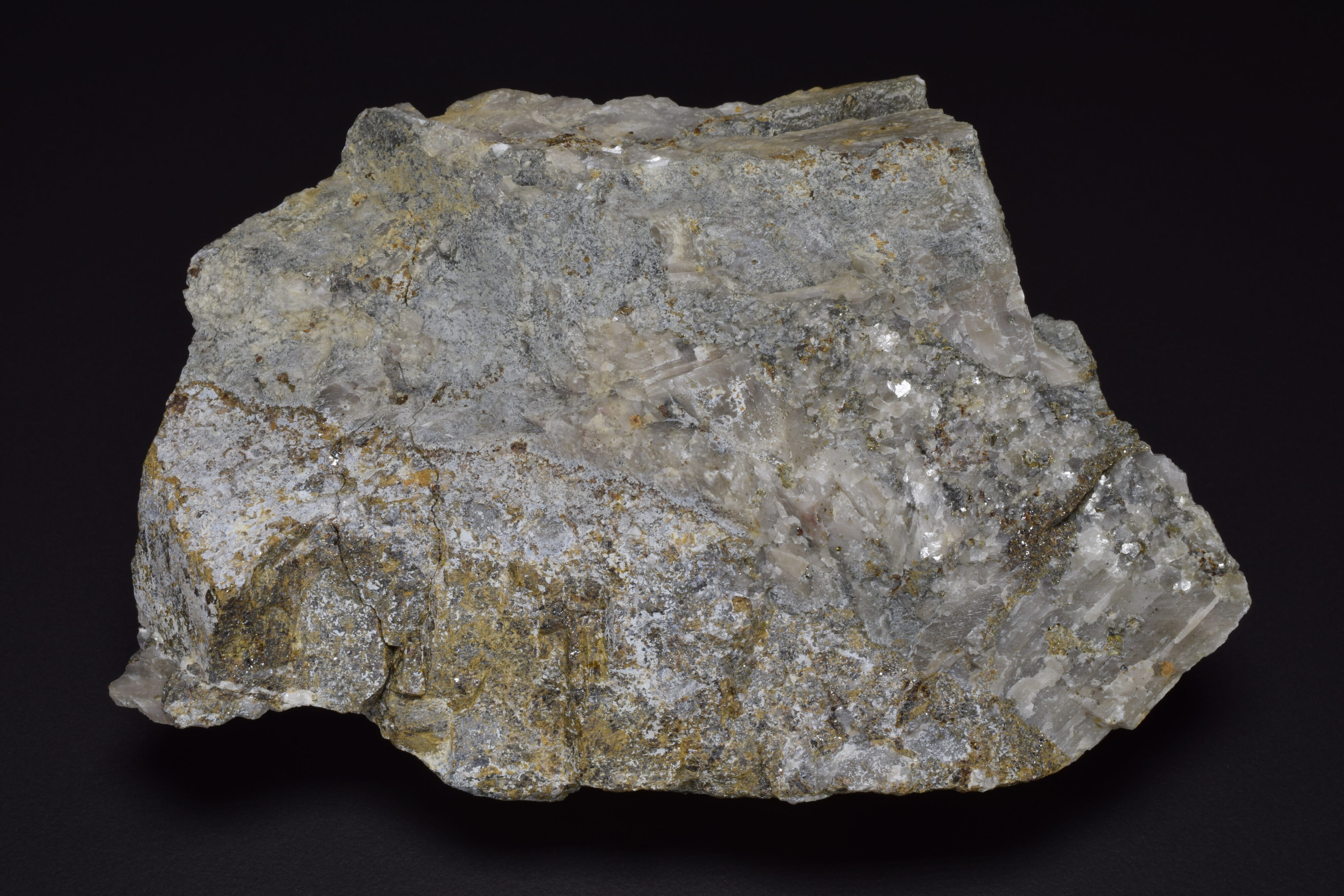
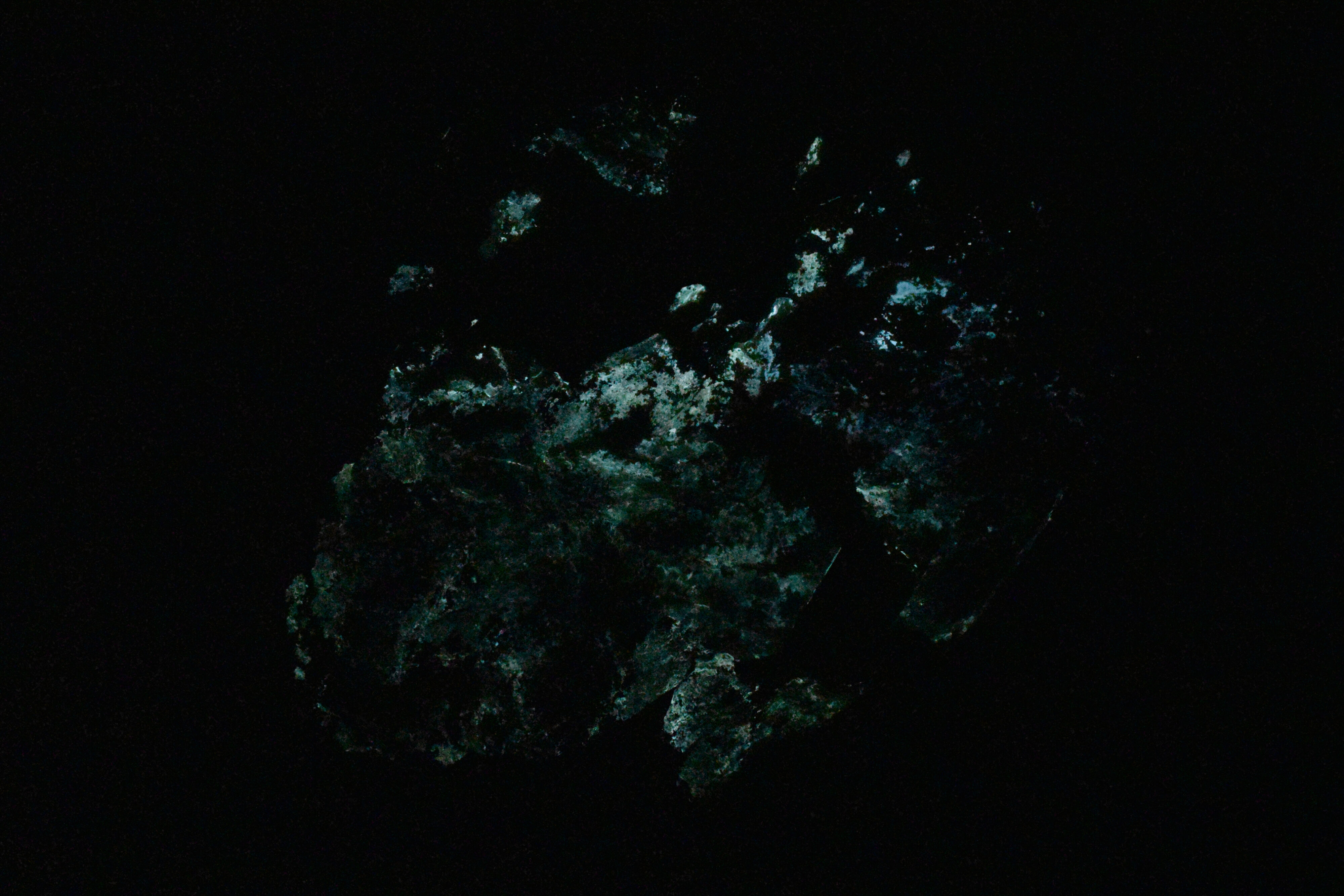
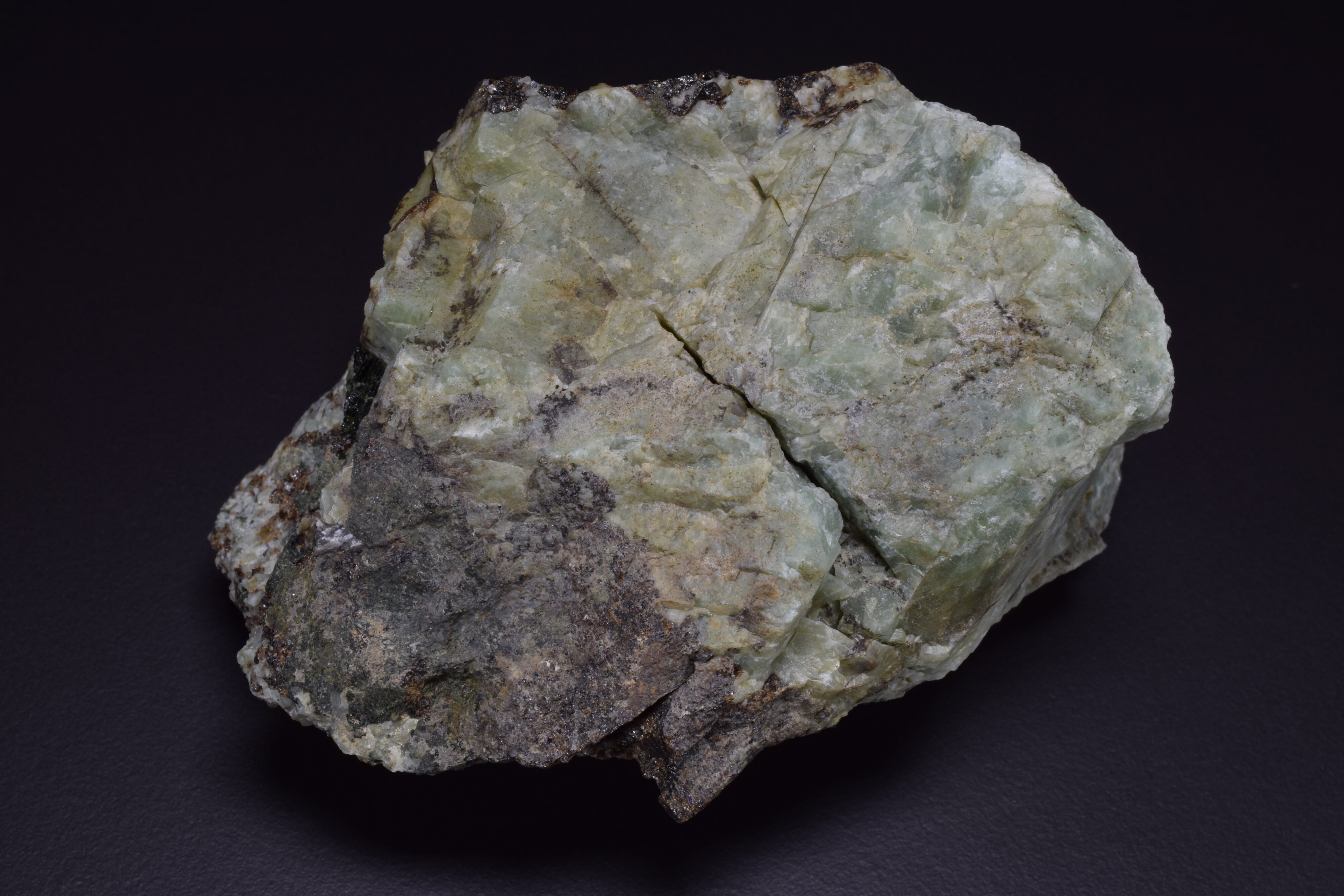
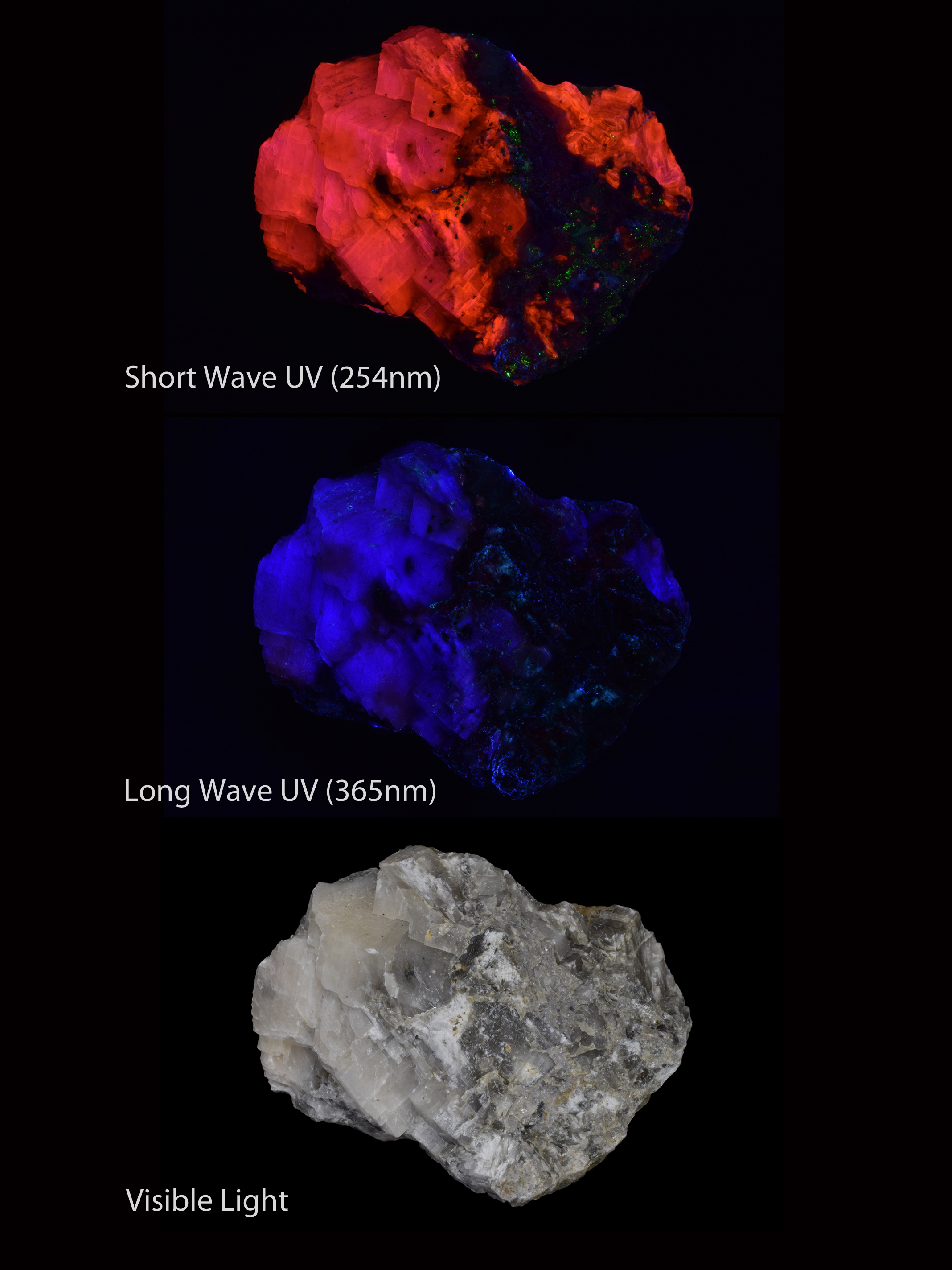
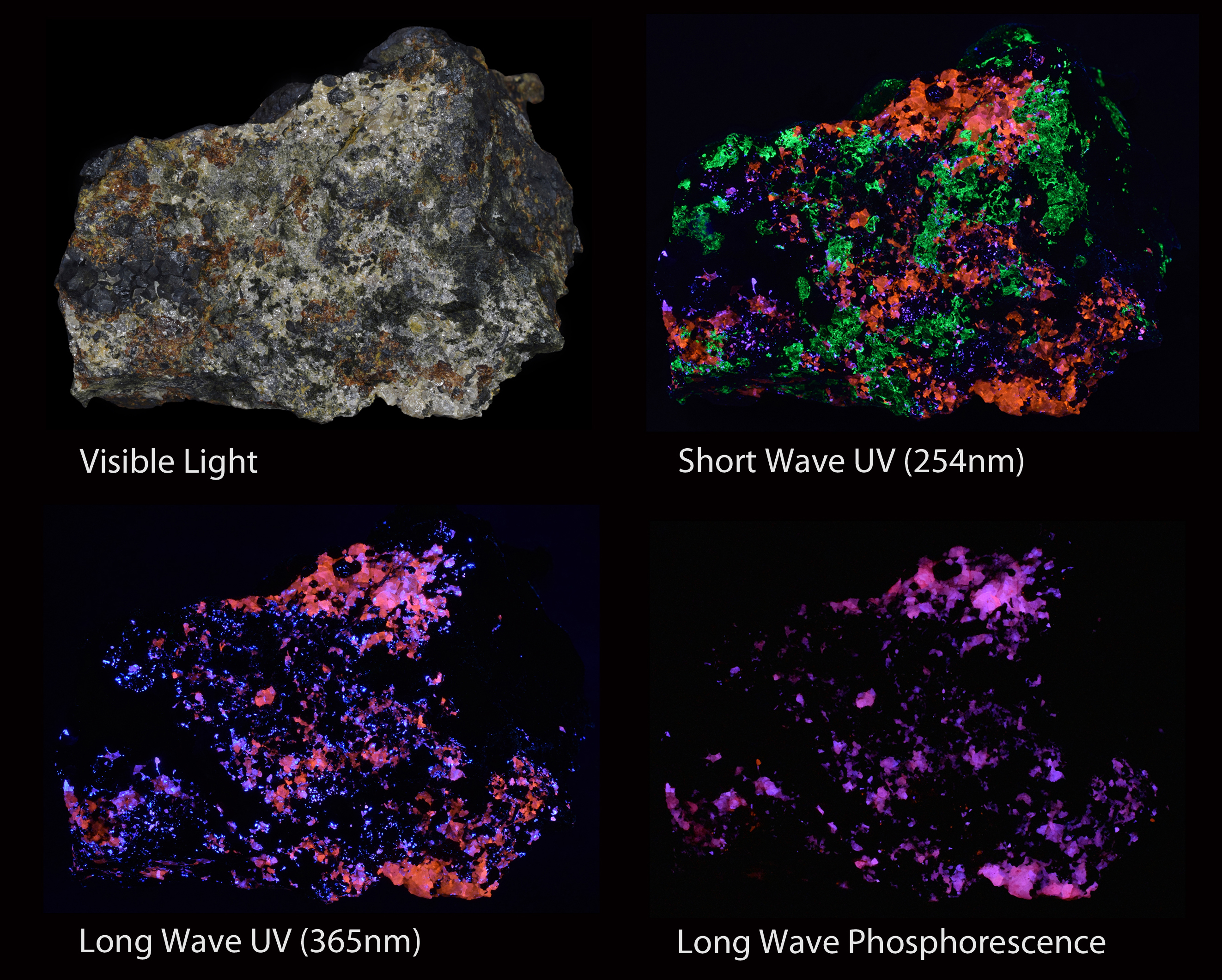
After getting our specimens home and cleaned, I photographed some of the better pieces. The following pictures show our most interesting finds: