
A good UV flashlight is only as reliable as the battery powering it. For 365nm lights using rechargeable 18650 or RCR123 cells, the battery affects runtime, output, reliability, and safety.
The biggest rule is simple: don’t buy lithium batteries based on the biggest number printed on the wrapper.
Beware of Impossible Capacity Claims
The 18650 market is full of batteries with exaggerated specifications and outright counterfeits. Cells claiming capacities such as 6000, 9800, 9900, or even 12000 mAh should immediately raise suspicion. Those numbers may look impressive, but a genuine 18650 cannot deliver anything close to those advertised capacities.
Cheap batteries with wildly inflated specifications may still work, but that doesn’t make them good batteries. Some deliver only a fraction of their claimed capacity. Others have high internal resistance, poor consistency, or become unusually warm while charging.
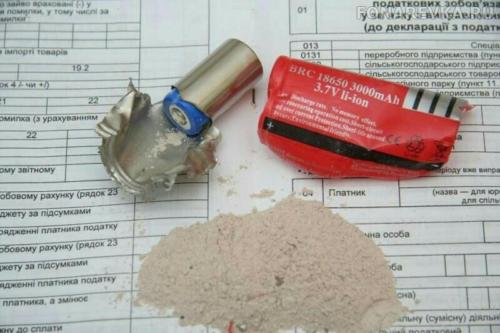
One simple observation hobbyists can make when evaluating a suspicious 18650 is its weight. Genuine, high-capacity cells generally contain more active material and tend to weigh substantially more than the extremely lightweight fake cells sometimes sold with impossible specifications.
A very light 18650 claiming an enormous capacity is a major warning sign. Some counterfeit batteries have even been found to contain a much smaller cell inside an 18650-sized shell, with filler added to take up space.
Weight alone does not prove that a battery is genuine, but it can be a useful warning sign. If a supposed high-capacity cell feels suspiciously light, there is a good reason to be skeptical.
Buy from a Reputable Seller
Counterfeit batteries can copy the labels and appearance of genuine Panasonic, Samsung, LG, Sony, and other major manufacturers. For that reason, where you buy the battery is often just as important as the brand itself.
For UV flashlight users, buying from a specialist battery seller is generally a much better idea than picking the cheapest listing on a marketplace. Established sellers and manufacturers such as Orbtronic, 18650 Battery Store, and Battery Junction have been popular sources for genuine cells. Flashlight manufacturers and dealers may also sell batteries specifically selected for the lights they offer.
Be especially cautious with extremely cheap batteries and anonymous marketplace sellers. There are certainly reputable sellers on eBay and similar sites, but identifying a genuine cell can be much harder than simply buying from an established battery dealer.
Several names have long had a good reputation for lithium-ion cells, including:
- Samsung
- Panasonic
- Sanyo
- LG
- Sony/Murata
- Orbtronic
- Nitecore
That said, the individual battery model matters more than the name alone. The battery needs to have the correct size, voltage, discharge capability, and terminal configuration for your flashlight.
For example, the Samsung 25R has been a popular and reliable choice for some single-cell Convoy-style lights. Other flashlights may require a button-top cell, a protected cell, or a completely different battery size. Always check what your particular flashlight requires before ordering.
Protected or Unprotected?
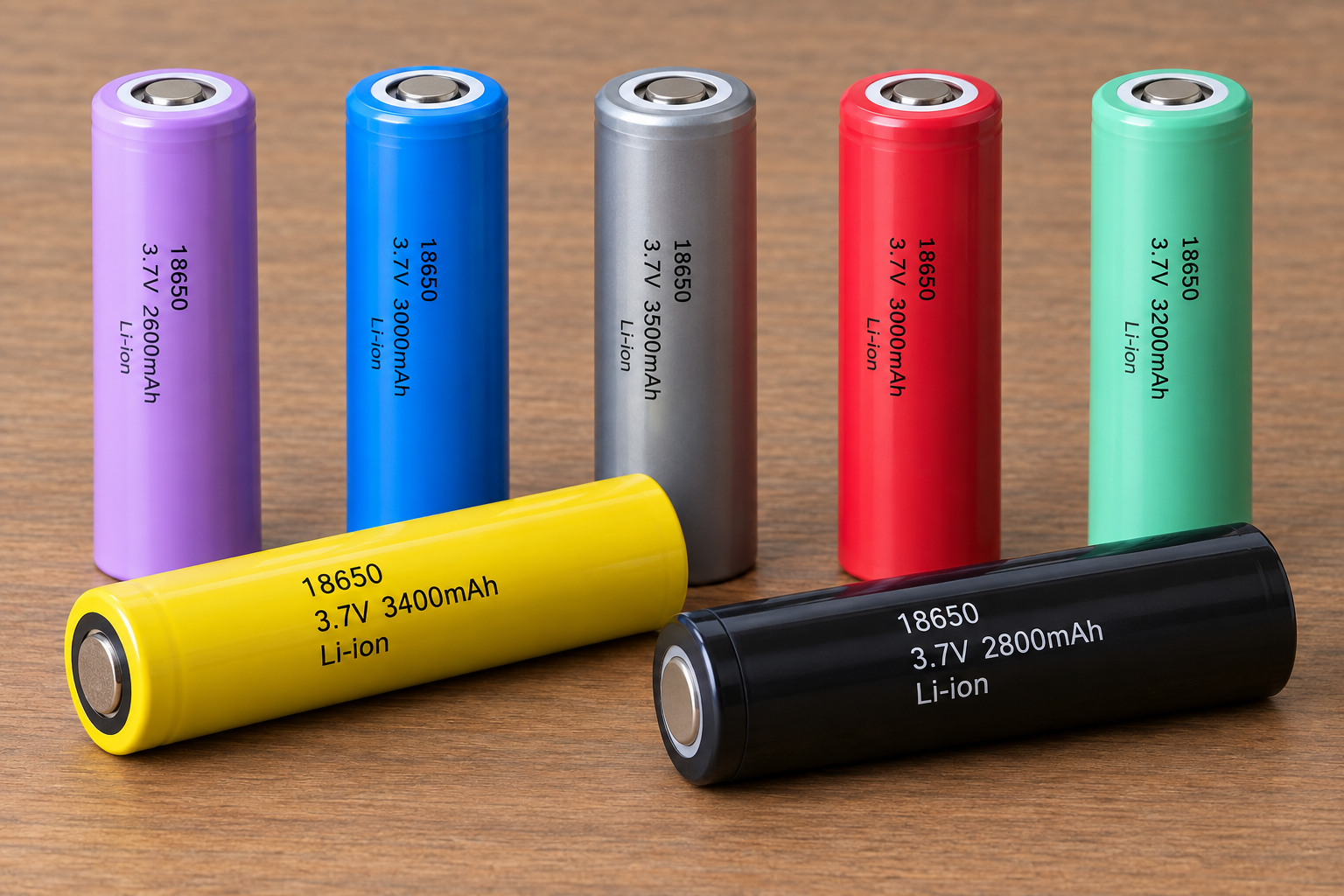
Unless your flashlight specifically requires an unprotected cell, a protected lithium-ion battery adds an extra layer of protection against overcharging, overdischarging, and certain fault conditions.
Protected cells are physically longer than unprotected cells, however, so they do not fit every flashlight. This is another reason to check the flashlight manufacturer’s battery recommendations rather than assuming that every 18650 will fit every 18650 flashlight.
Charging and Handling
UV flashlights generally place less extreme demands on batteries than some high-current applications, but lithium-ion cells still deserve a little respect.
Use a quality charger and inspect your batteries regularly. Stop using a cell that becomes unusually hot, is physically damaged, arrives at an abnormally low voltage, or behaves strangely while charging.
Also, never carry loose 18650 batteries in a pocket with keys, coins, or other metal objects. A proper plastic battery case is cheap and avoids a potentially serious short circuit.
To summarize: ignore impossible mAh claims. Buy the correct battery for your flashlight. Buy from a seller you trust. And if a battery looks suspiciously cheap or too good to be true, it probably is.