Originally posted on Nature’s Rainbows by Michael Isaacson in 2015.
Electrical work is dangerous. Do not attempt a project of this nature without a strong understanding of light fixtures, wiring, and electrical safety.
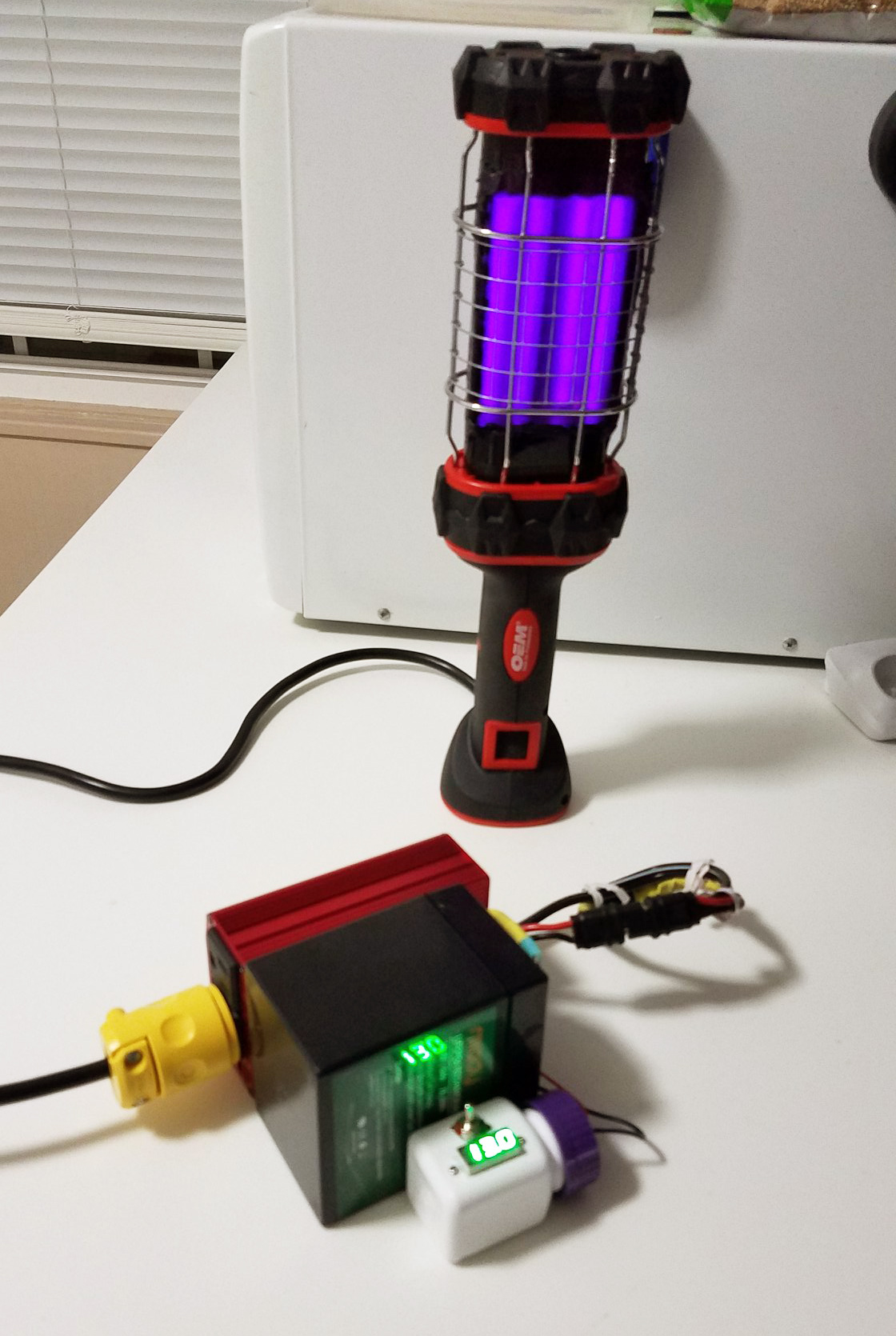
I’m not sure how many people have built the 18 watt SW conversion from Mark Cole’s plans on MinerShop, but if you did or intend to do so, here’s mine I’ve finally completed. There are other DIY lamp plans on the page but I feel that 35w is too much power for field use. 18w is a good balance for brightness and run time. When collecting during the day, I’m baking under a grill cover anyway and only 14 inches at most from the furthest rock. Maybe your arms are longer. Collecting at night and standing, 18w should be plenty, partly because it’s bright enough to light up rocks decently 10 feet away, and partly because I don’t find anything anyway.
The Hoya filter came from a Craigslist transilluminator, the only one ever posted, probably. It was a bit of a drive to get to, I had to pay a $1 toll to get out of New Jersey (you think that’s funny, punk?), and we were very nearly killed by a pickup truck driver who was watching the sun instead of traffic but it yielded enough glass to make six filters so…worth it! Just $40.
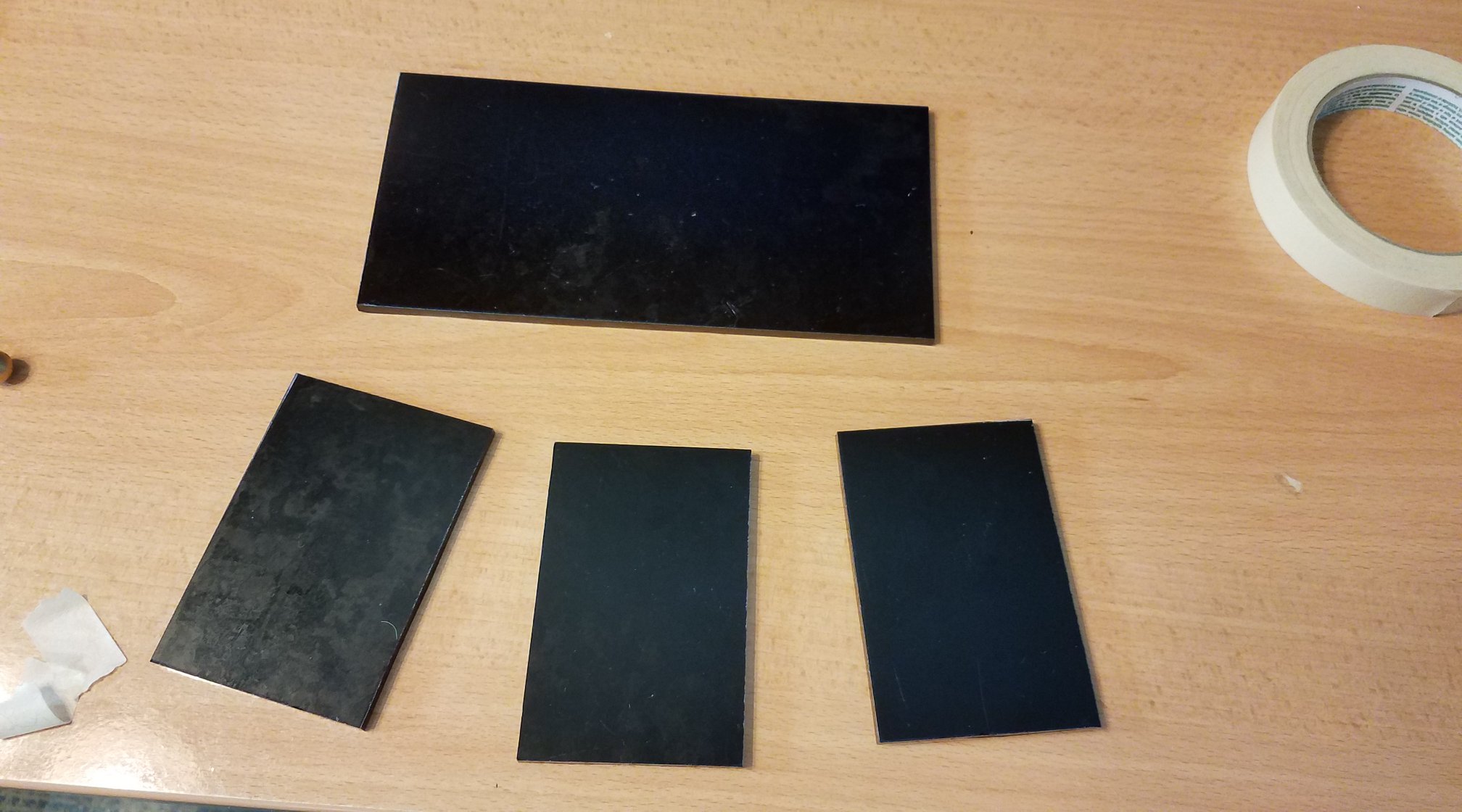
A word on cutting Hoya U-325C: It’s terrifying. A local glass shop gave me plenty of scrap with which to practice and showed me what to listen for as the correct, single-pull-only scoring technique, which results in a dry, scratchy glass-cutter-on-chalkboard screech. I cut everything I had then marked up my Hoya and went for it.
To cut Hoya you can use a tile cutter, which is a device that holds the glass in place over a slightly raised rib as the cutter’s handle uses two arms to push down on each side of the scored glass, popping it neatly along the score. I found the scoring wheel and arm of the tile cutter to be too hard to gain comfortable accuracy for small pieces so I used a standard, pencil-grip glass cutter and then used the tile cutter bed to apply even pressure to the score. It turns out that U-325C is quite fragile and pops along the scores very nicely. Despite the process being totally sphincter-gripping. I had no waste nor failures. I cut three 100mm x 66.6mm filters and left half of the glass intact in case I need a larger filter from it someday.
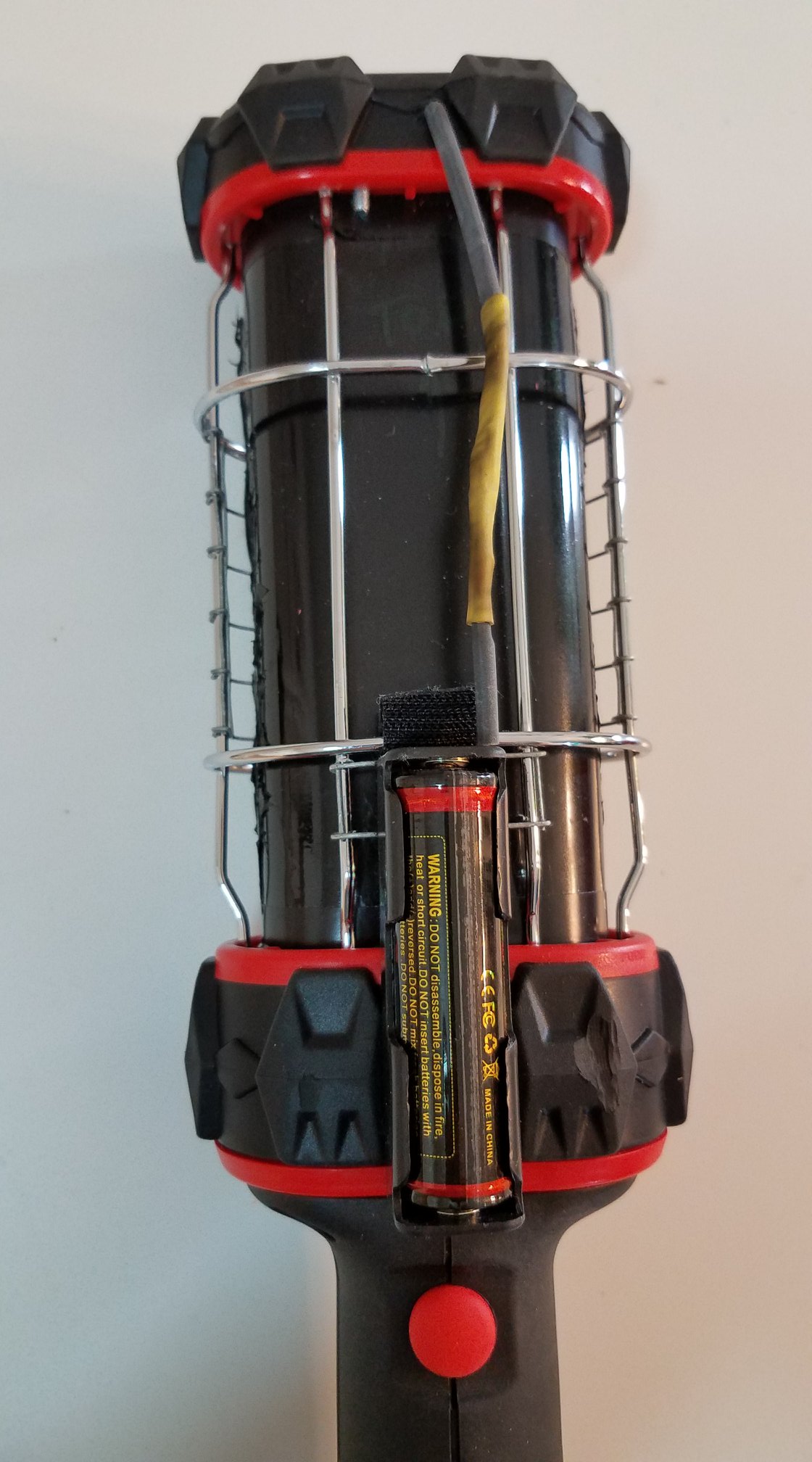
I made a few modifications to my build. I added some half-inch chicken wire to the center of the cage in front of the Hoya filter because I’m chicken. The gaps on the OEM donor light are too wide to collect safely. One small rock can ruin things. It is better protected now. I also wrapped some heavy-duty, black electrical tape around the end of the filter carrier then tucked it in, which will make sense to you only if you build one of these. That acts as a light gasket between the filter carrier and the lamp body top and bottom.
I cut the OEM power cord on the OEM lamp (that’s the brand name) at four feet. That seemed like enough to reach from the back-worn waist pack I’m using and beyond the furthest I can reach standing or sitting. It’s a very heavy power cord so removing what won’t be needed is helpful. But I attached a female connector to the remaining 11 feet so that I can simply plug them together for home use or for a night dig where I want to leave the power supply in one place and scan a 15 foot circle.
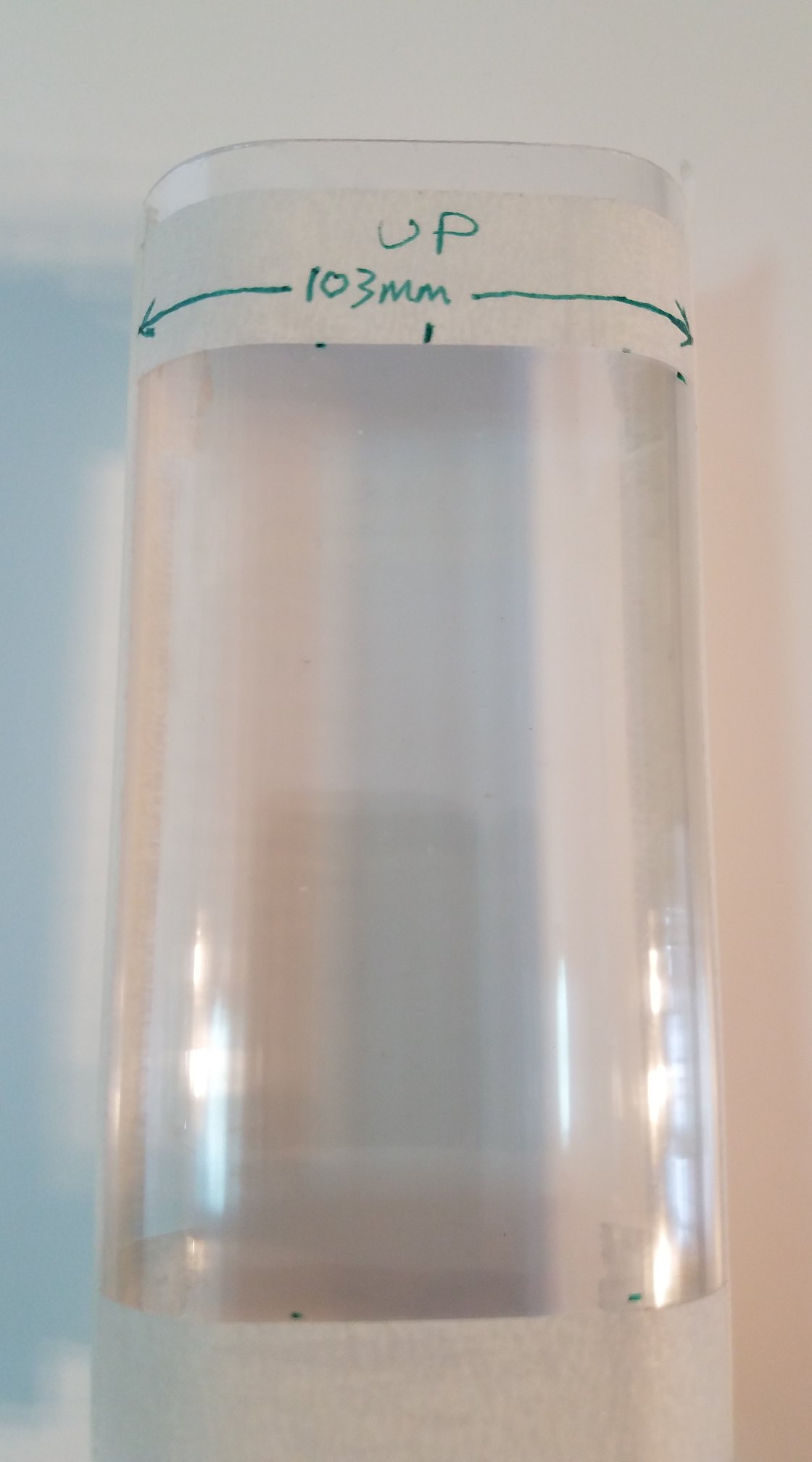
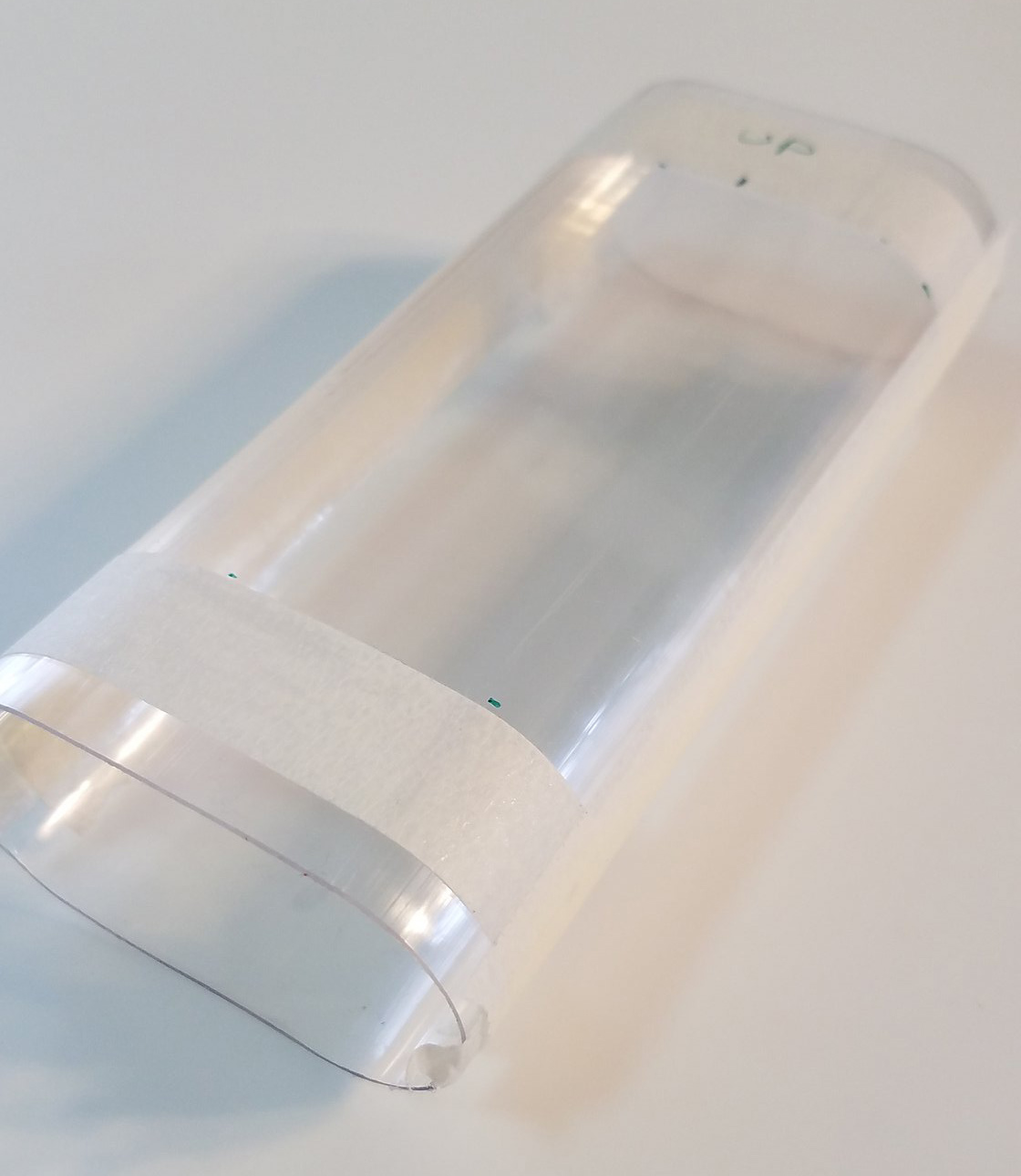
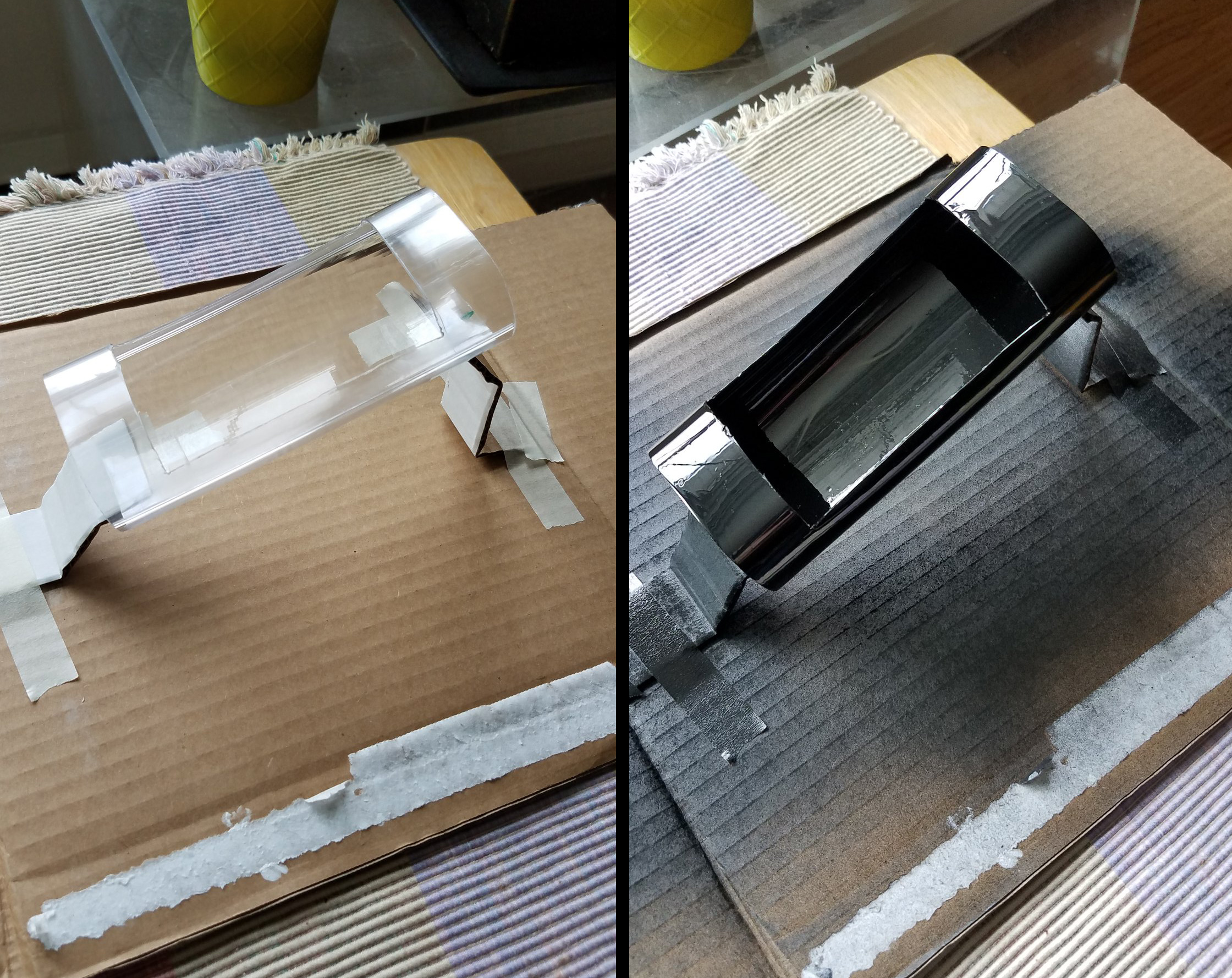
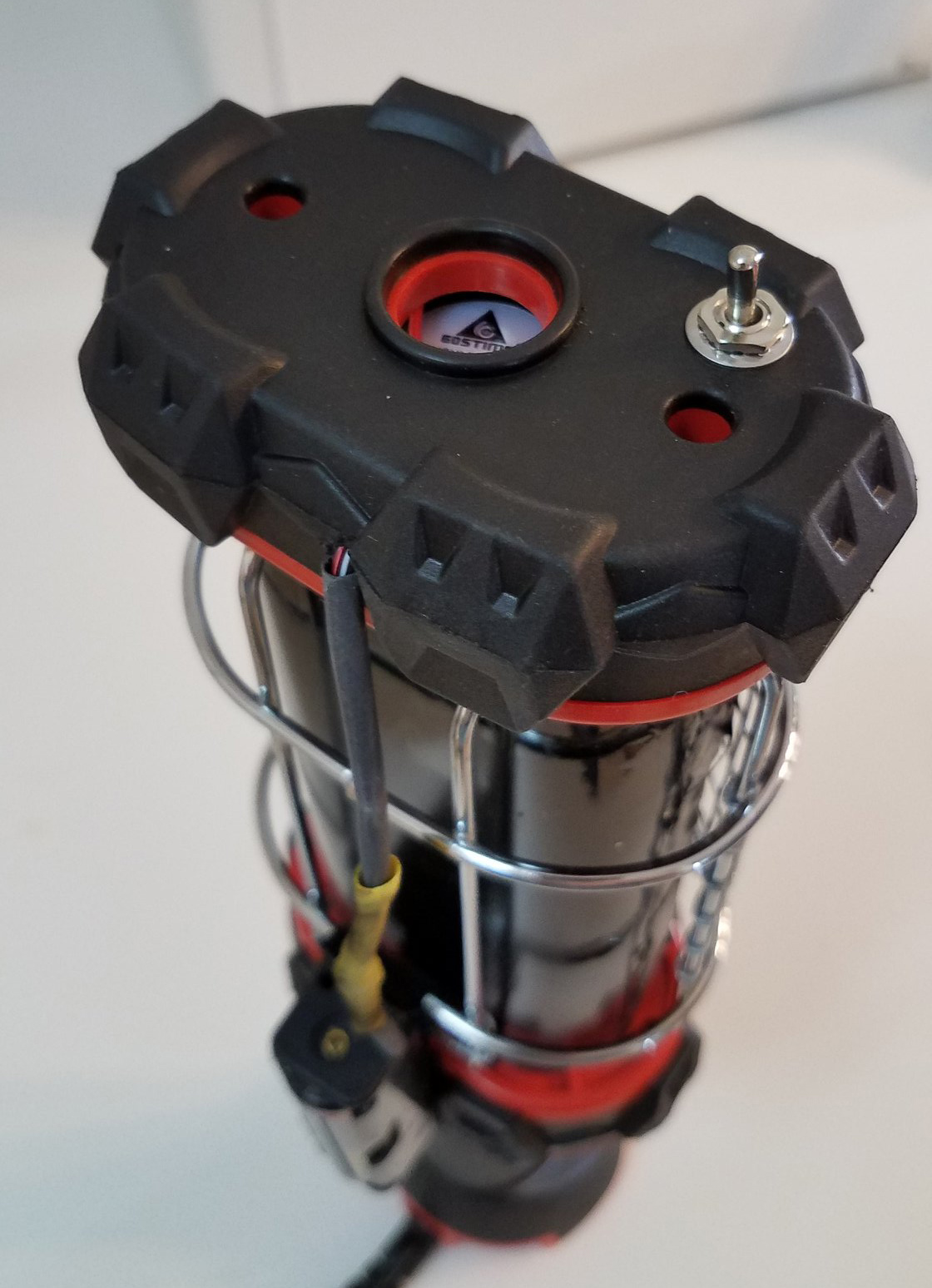
Here is the best modification and I’m really happy with it. Mark notes that this build gets pretty hot. The 18w bulbs are operating in a very tight area. The donor lamp comes with an articulated hook from which the unit can be hung. He recommends removing that hook to leave a ventilation hole, which I did, and to drill two holes in the top of the case to allow more air to flow, which I did not do. To allow air into the chamber where the bulbs operate, he also suggested drilling some ventilation holes into the bottom of the filter carrier. That I could not bear to do, having spent so much time cutting, painting, and gluing that thing together. It’s the crucial part of the conversion, and the carrier lens plastic is not the strongest item you’ll come across. What to do?
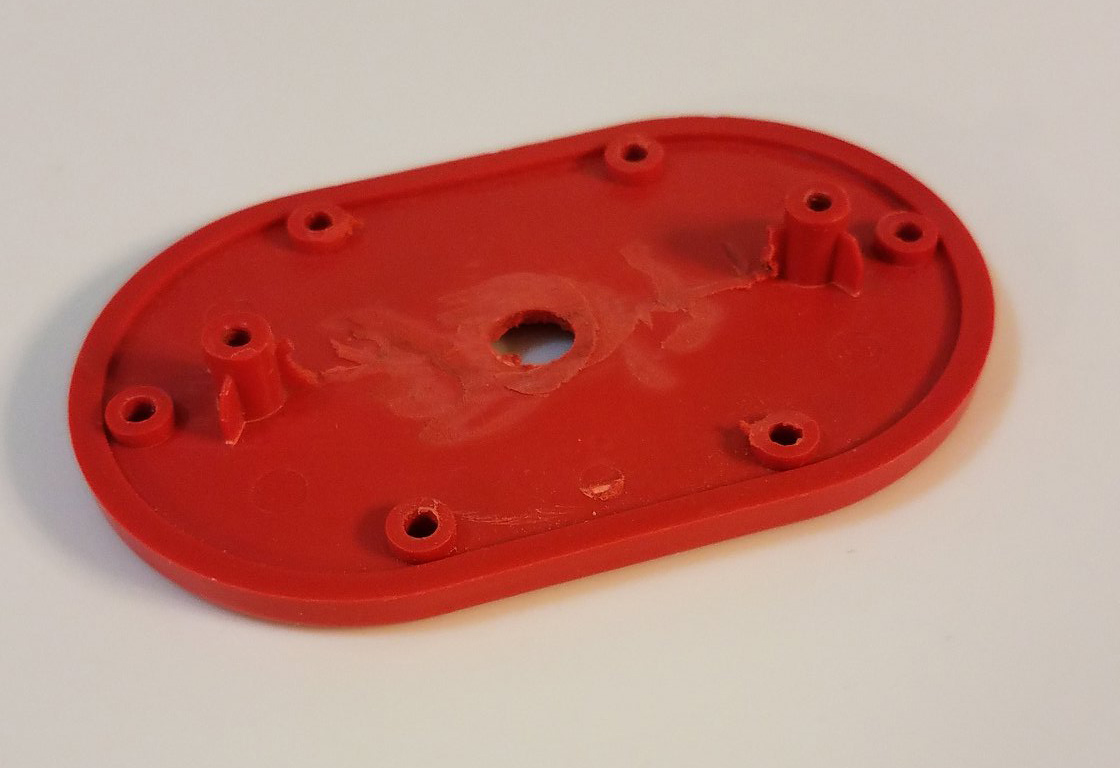
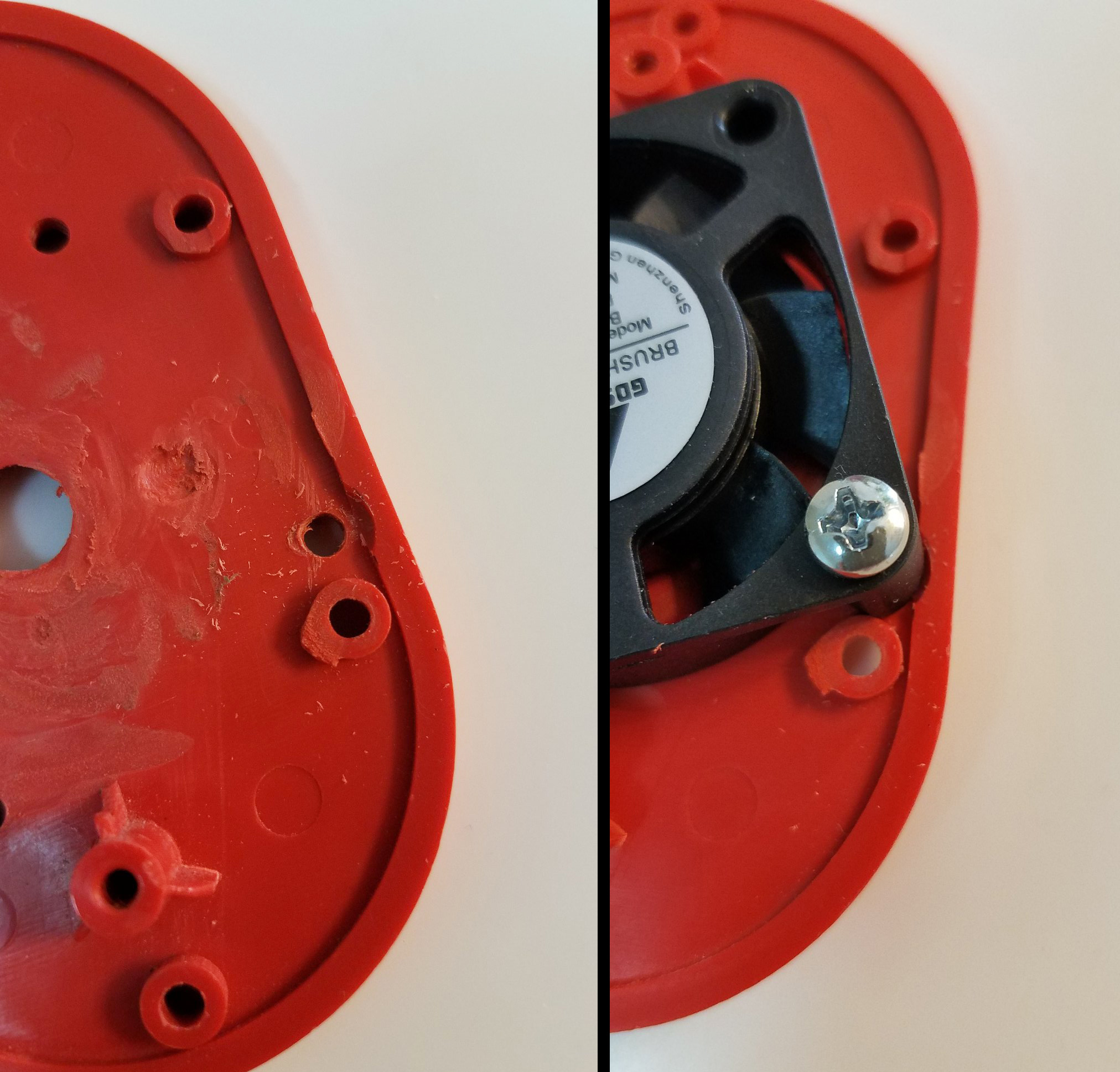
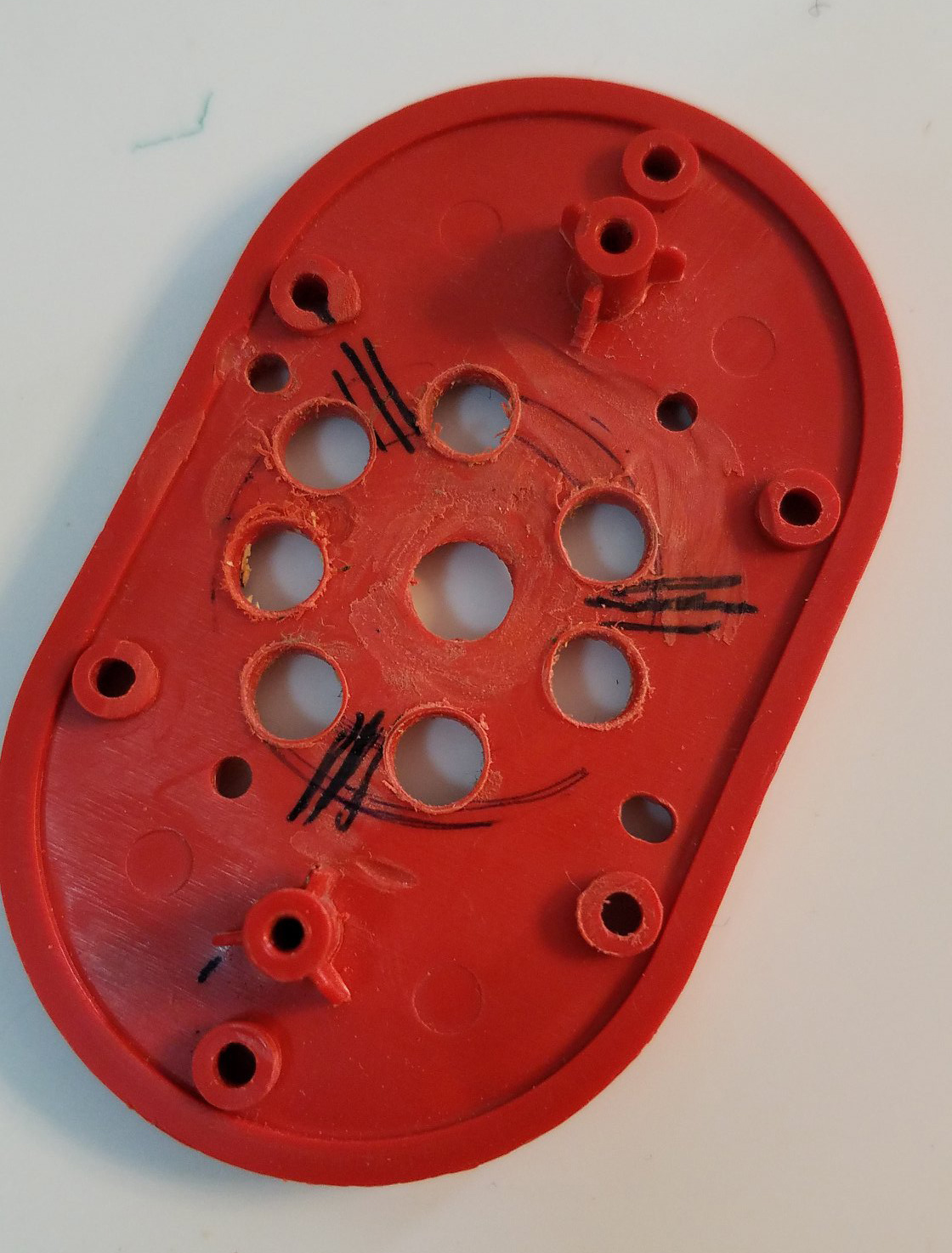
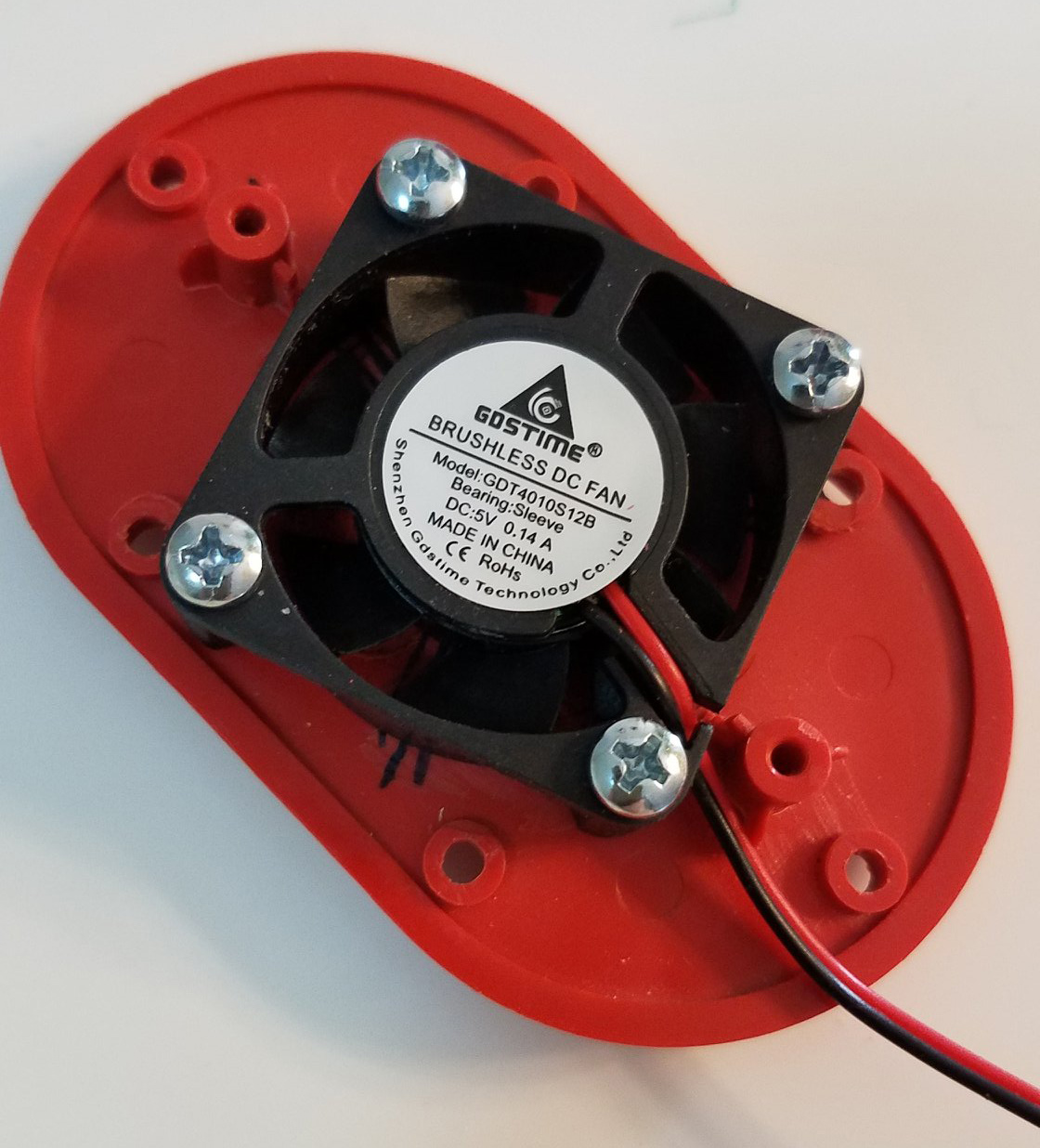
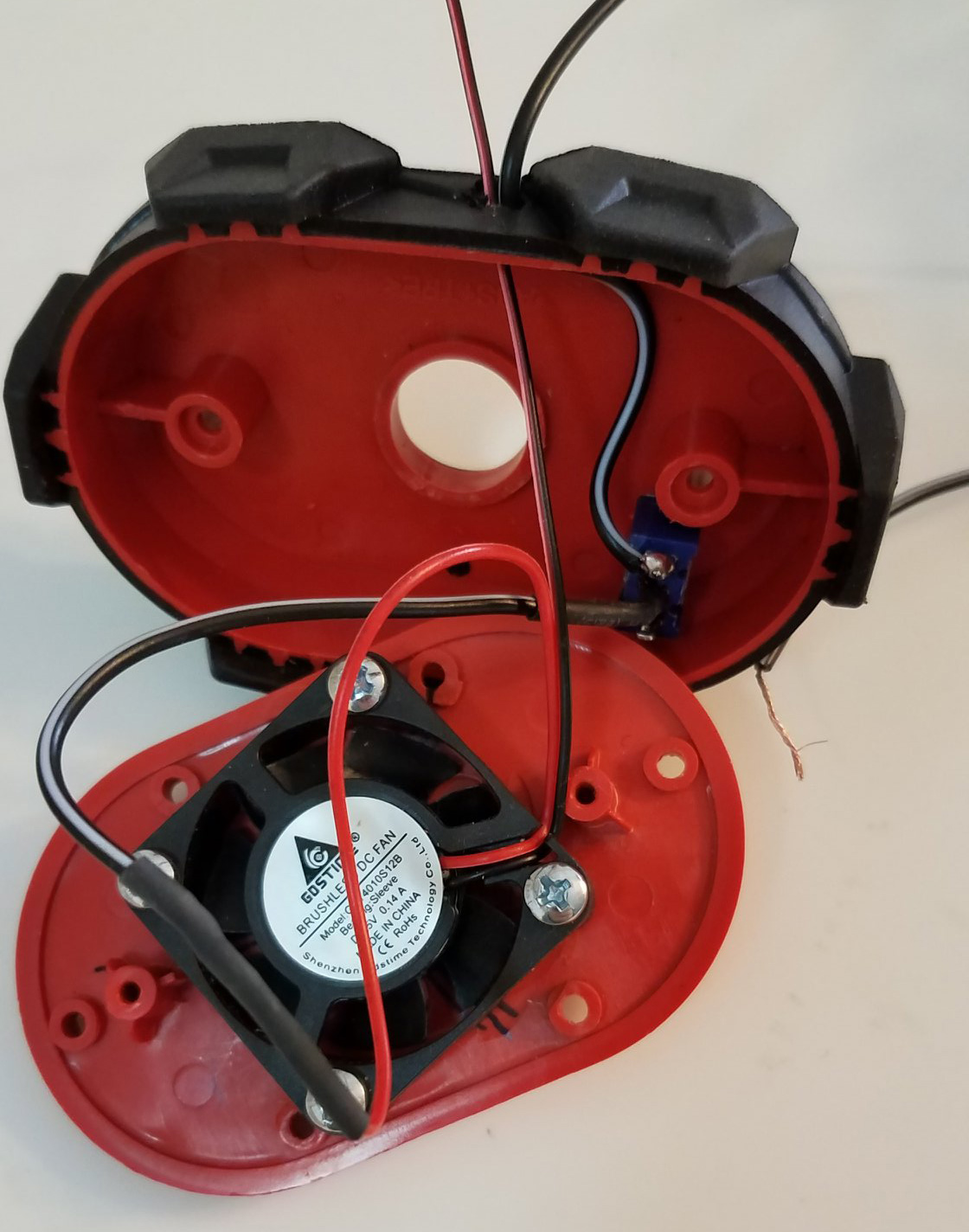
The lamp has a plastic plate that bolts onto the top of the chamber and another cap that screws onto that base. The resulting vertical space between the two is there to create a support post for the removed articulated hook. Without that post in there, would a small, DC fan fit? Yeah, it sure does! I found the World’s Most Adorbs Fan, just 3cm square, and realized the second I got it that I could make the next size up fit, 4cm square, so I ordered that immediately and waited at the front door for a week.
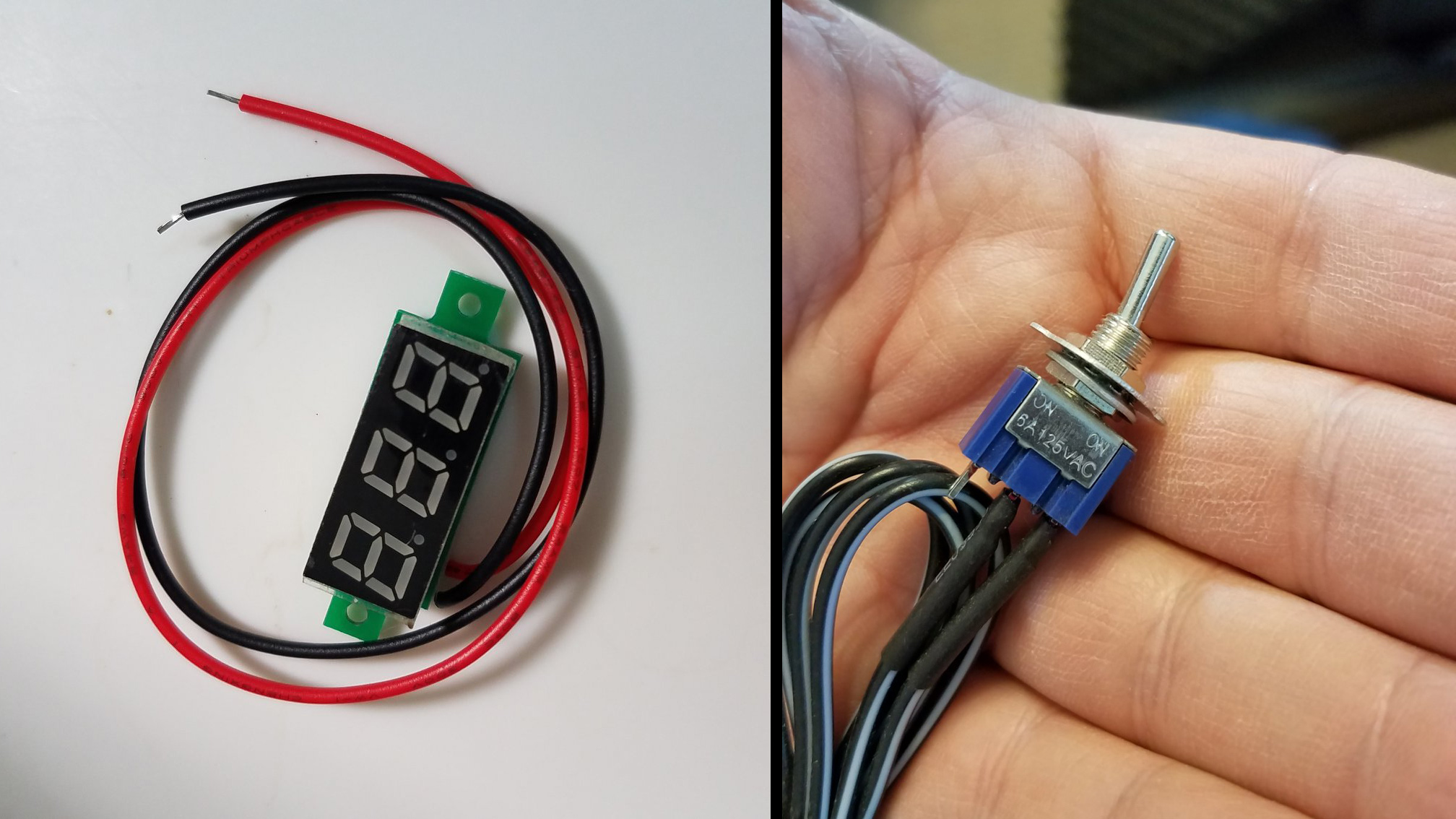
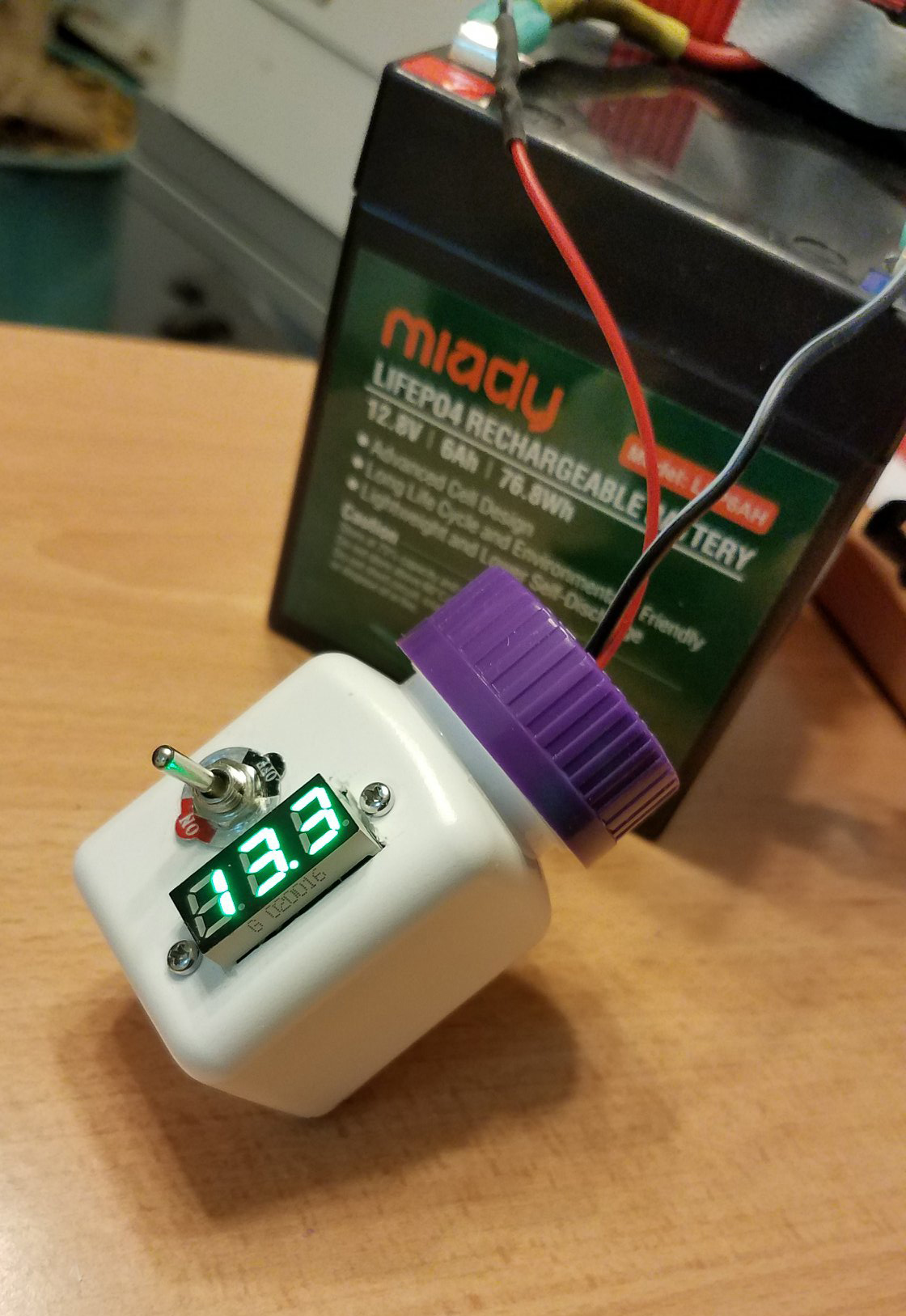
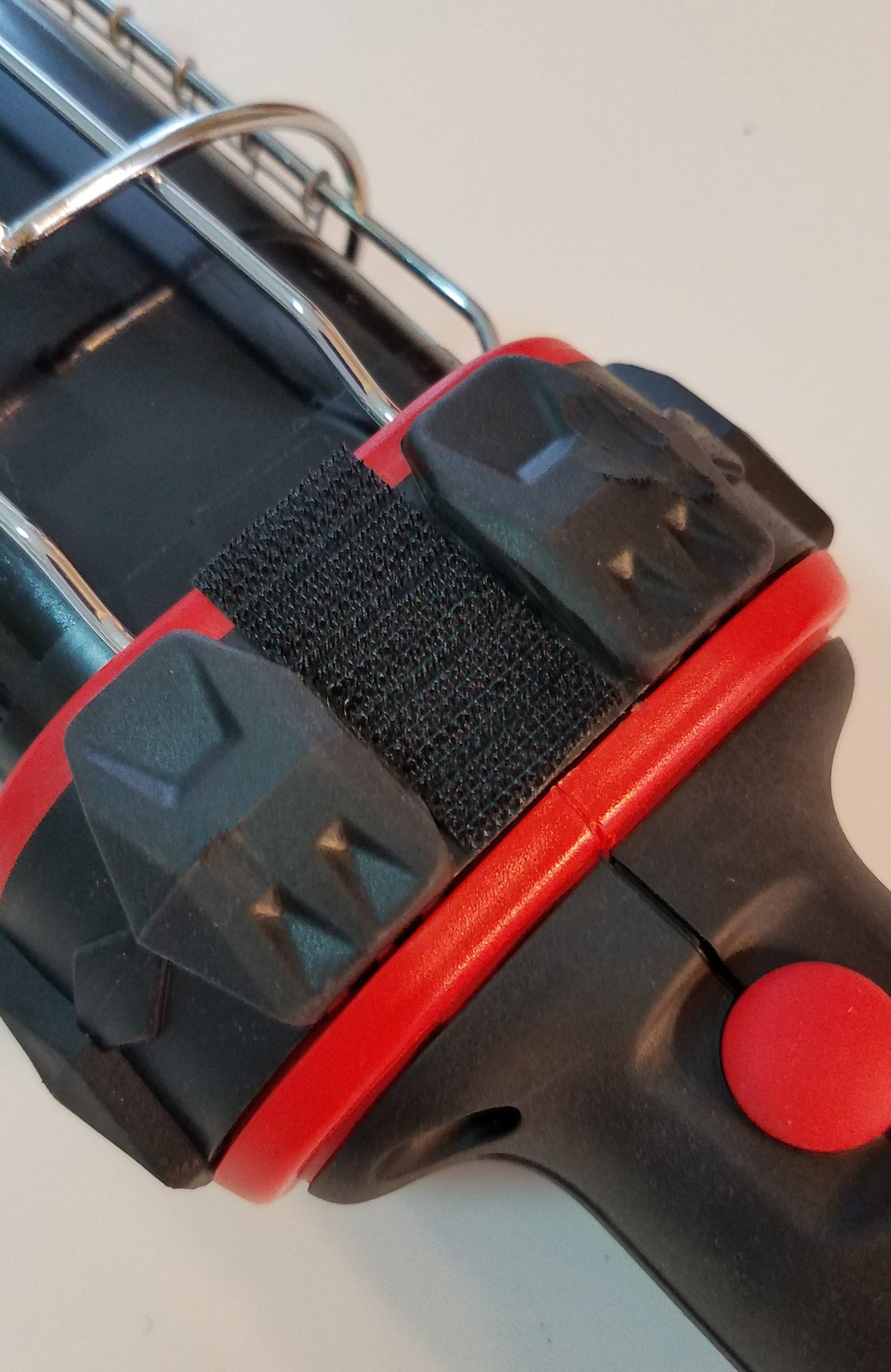
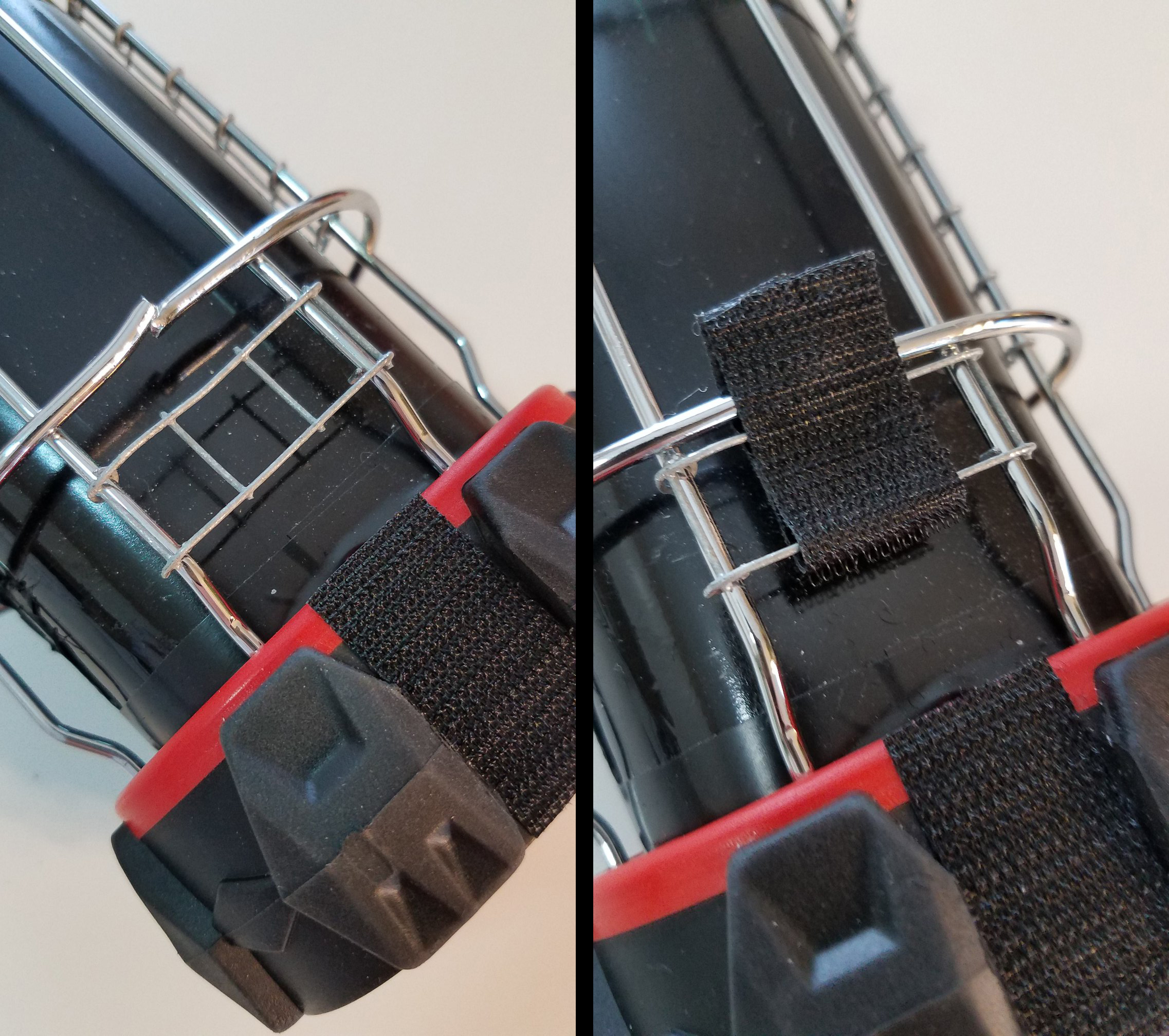
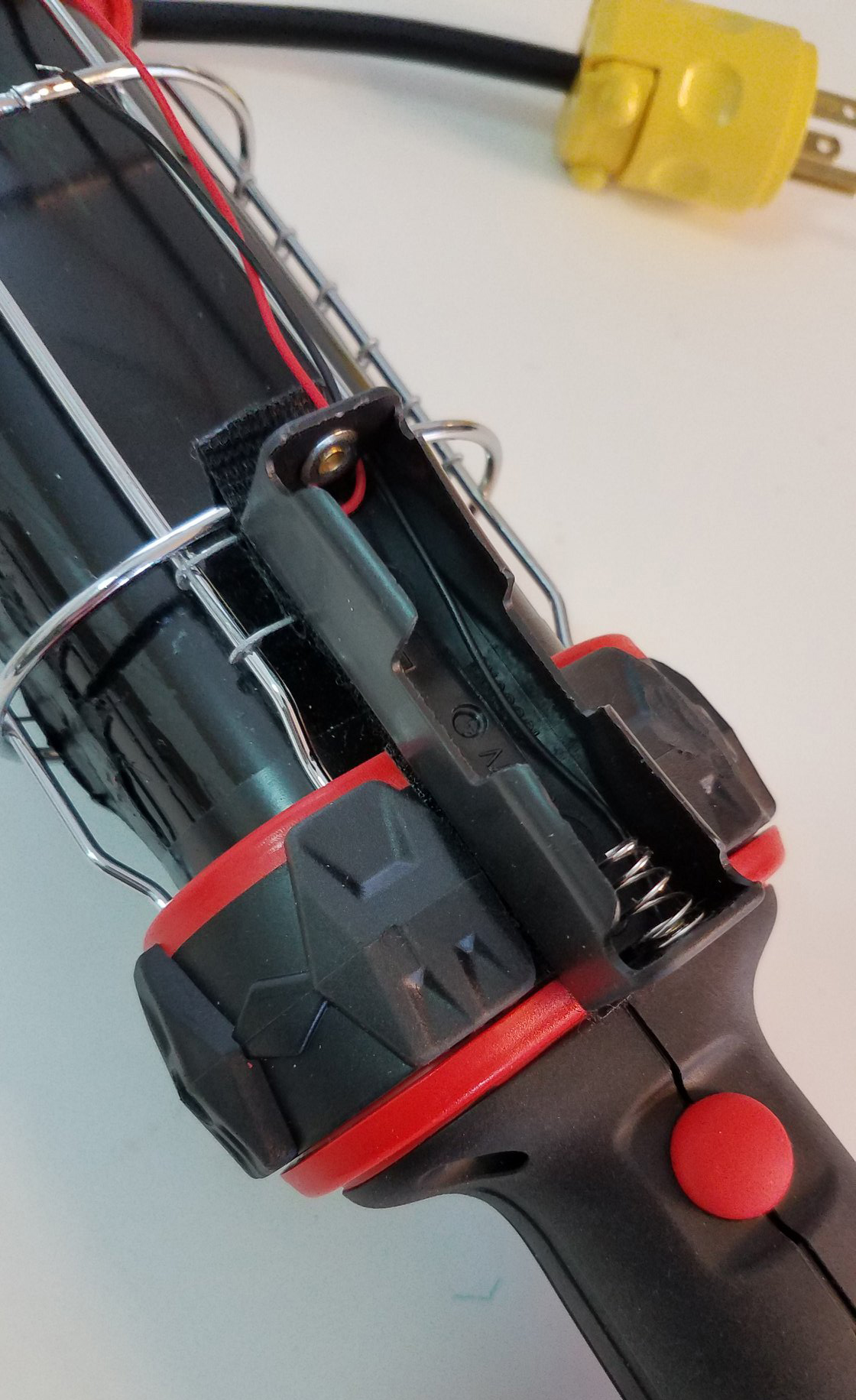
The small fan would fit very easily. The bigger one fits in only one place, in one orientation, with some mods to the surrounding plastic…but it fits. There’s even room for a micro toggle switch. Power comes from outside the lamp cap by an 18650 lithium-ion battery Velcroed to the lamp cage. The fan is a 5vdc and the battery 3.7vdc, but it works well enough that going with a 12vdc fan and four, heavy 18650’s was deemed excessive.
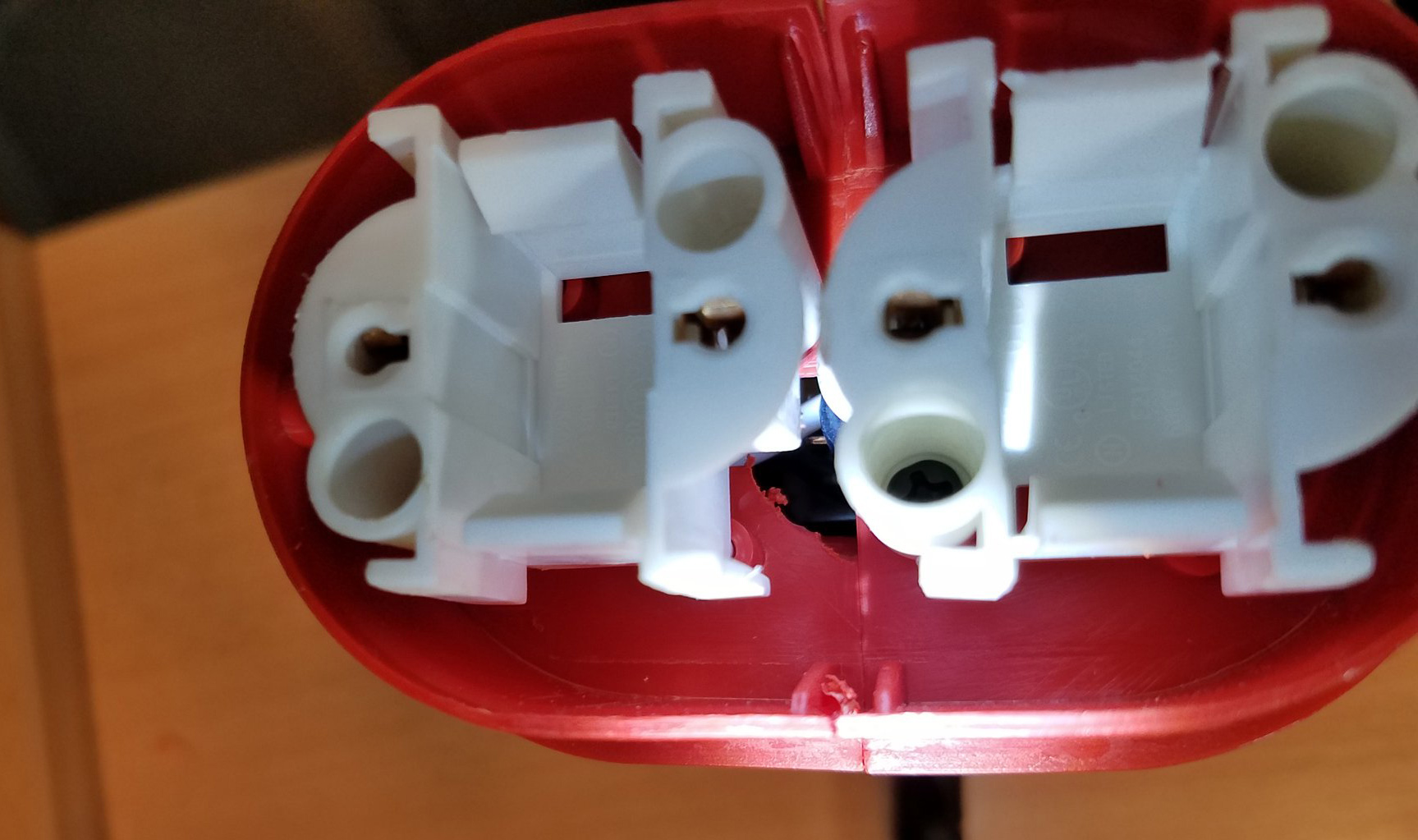
Sharp readers and those still awake might have noticed that I since I refused to drill ventilation holes into the filter carrier, I’ve left no way for air to get into the lamp. This was a problem for a day or so until, staring at my feet, I looked at the 115vac socket built into the base. What if that socket could be pushed out of the way to make an air intake port?
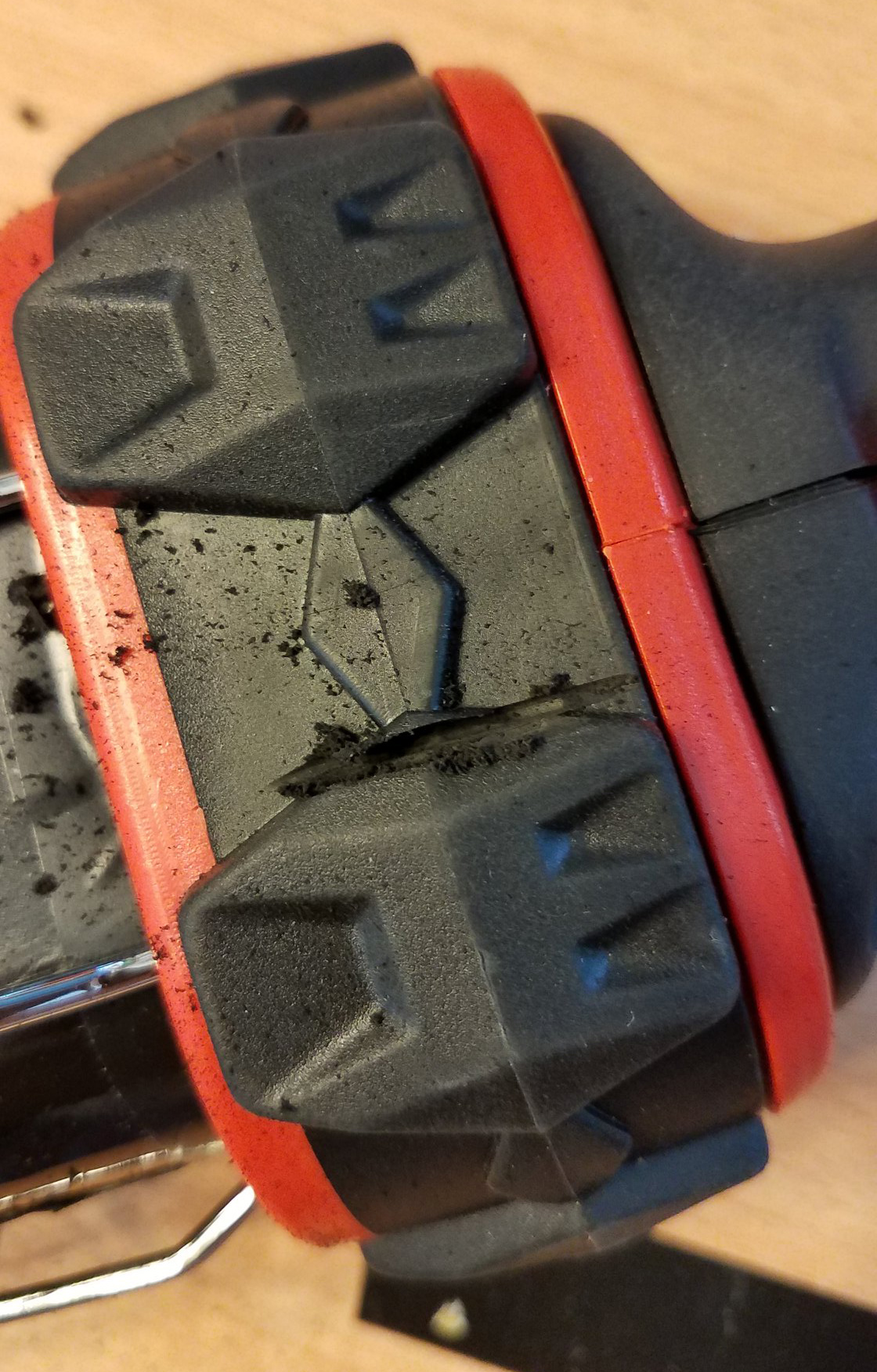
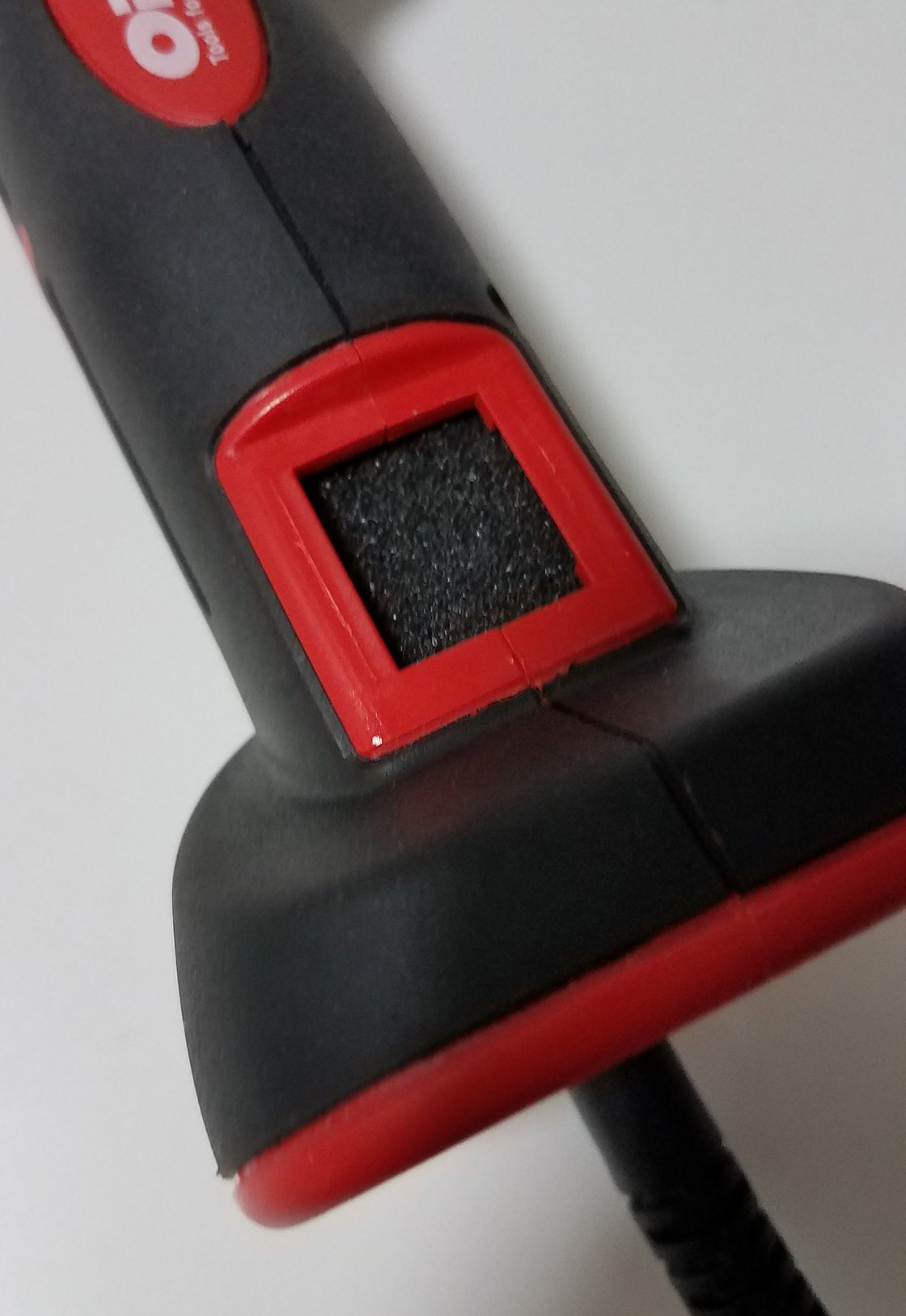
It turns out that it took about three minutes to unscrew the lamp handle base, and push that socket out of the way. It fits without modification into the very base of the handle. I stuck a price of black foam in its place and, Voila! A 3cm square air intake!
What ends up being nice is that now I have cool air blowing across the lamp’s electronics and ballast, up through the area where the bulb sockets are mounted (I cut off two superfluous orange plastic corners to ensure greater air flow), totally through the bulb enclosure, and out through the top of the lamp where the hook used to be. Holding my ear to that intake port, I can actually hear a rush of air being pulled through by the fan. It’s not a lot of pressure but enough to clear hot air out. It works! I’m very happy with it.
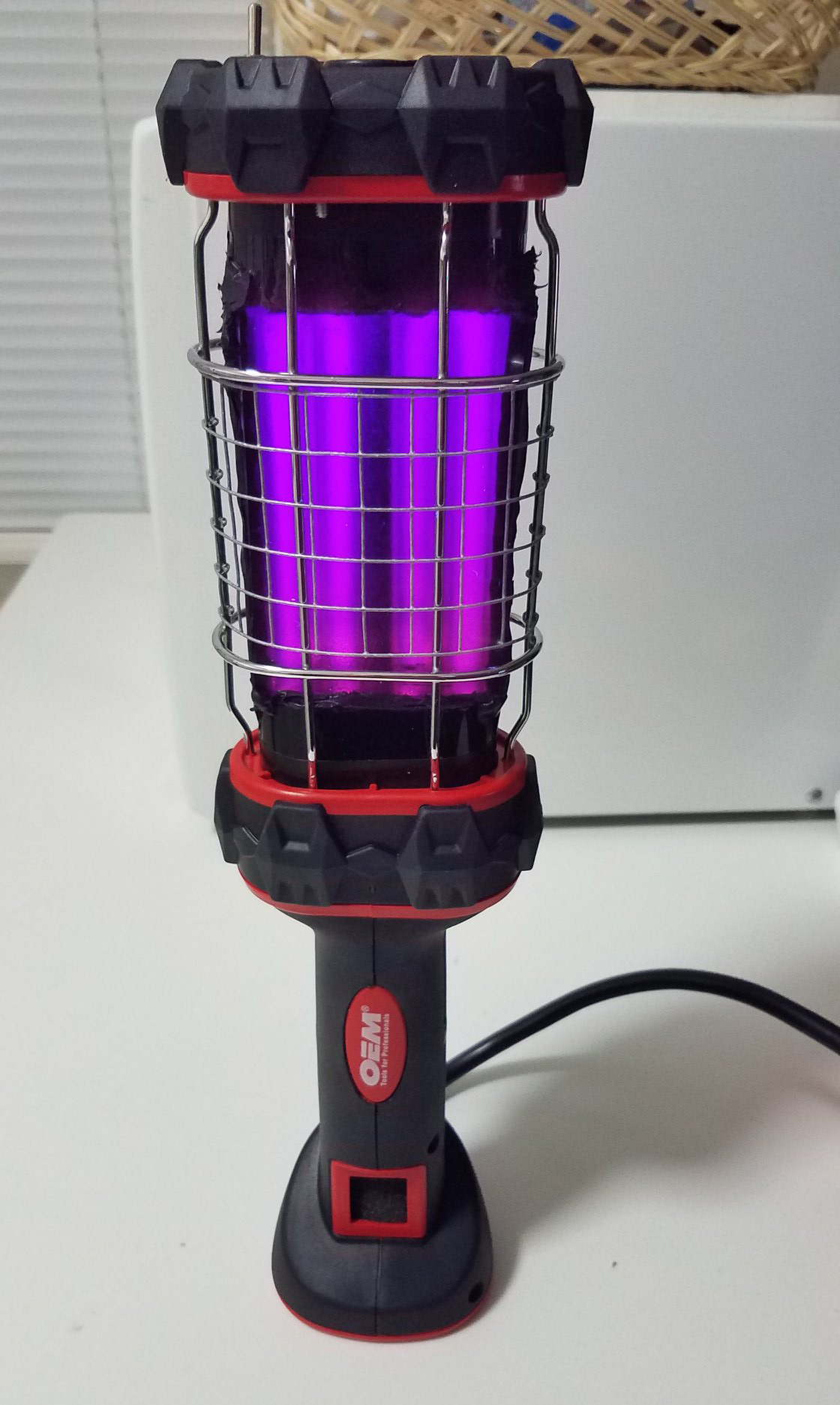
The resulting lamp is very bright and has a very wide area of emission, perhaps 160º. A word about the reflector. The lamp comes with a mirrored piece of stiff paper or plastic, it’s hard to tell which. Perhaps they changed the material from when Mark initially wrote the DIY instructions, because though he says to toss it out, I found that it seems to reflect UVC rather well. Better than the sheet aluminum or aluminum foil I tried, so I left it in place for now. I’m working on a special reflector and will report that success if it happens.