
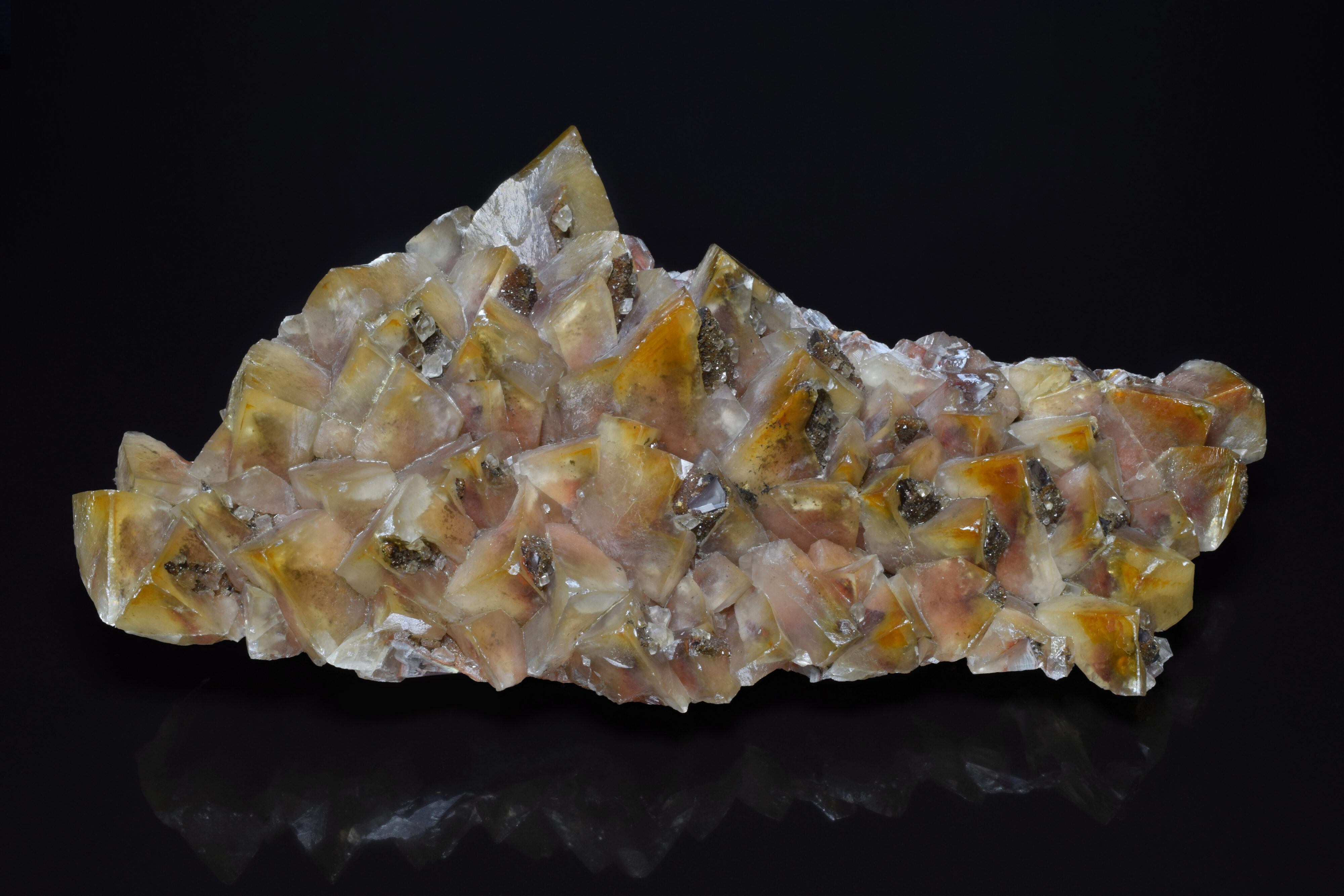
Mariposa Calcite, Santa Eulalia, Chihuahua, Mexico
Contributed by: Chris Clemens
minID: K9T-CHN
Date: Apr 20th, 2026
Locality: West Camp, Santa Eulalia Mining District, Aquiles Serdán Municipality, Chihuahua, Mexico (See on Mindat)
Size: 4.6 x 2.7 x 9 inches
Weight: 1183 g
Description:
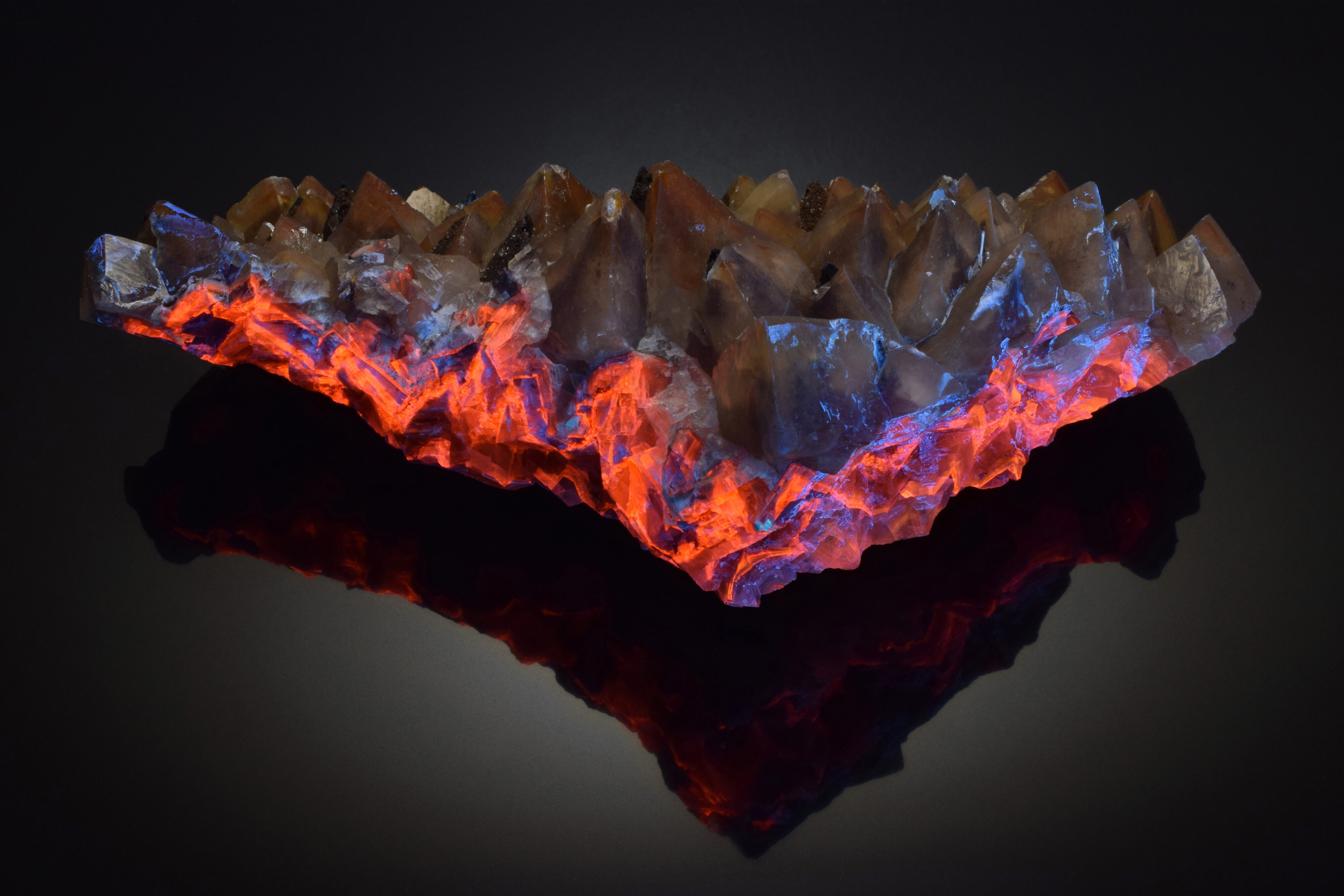
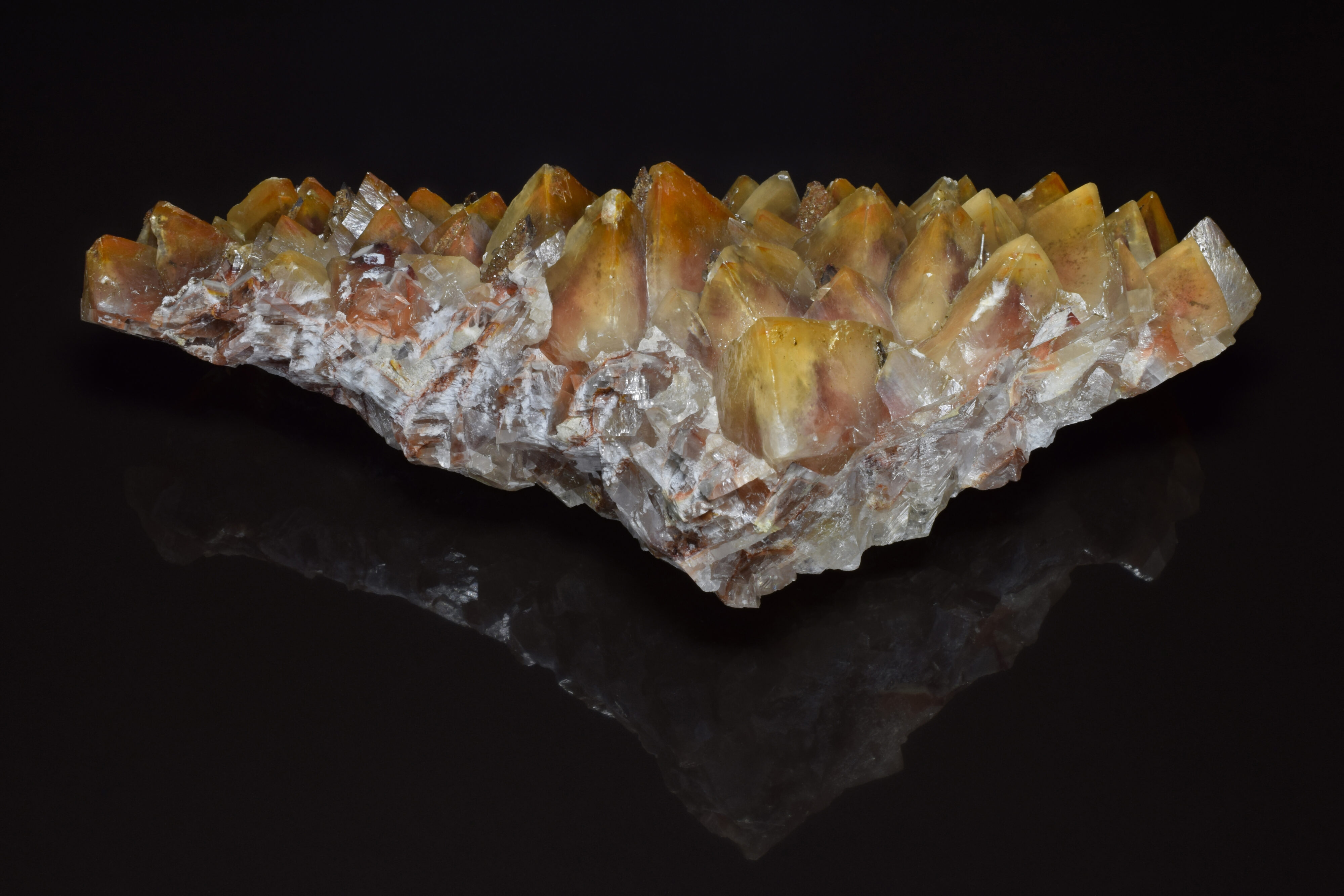
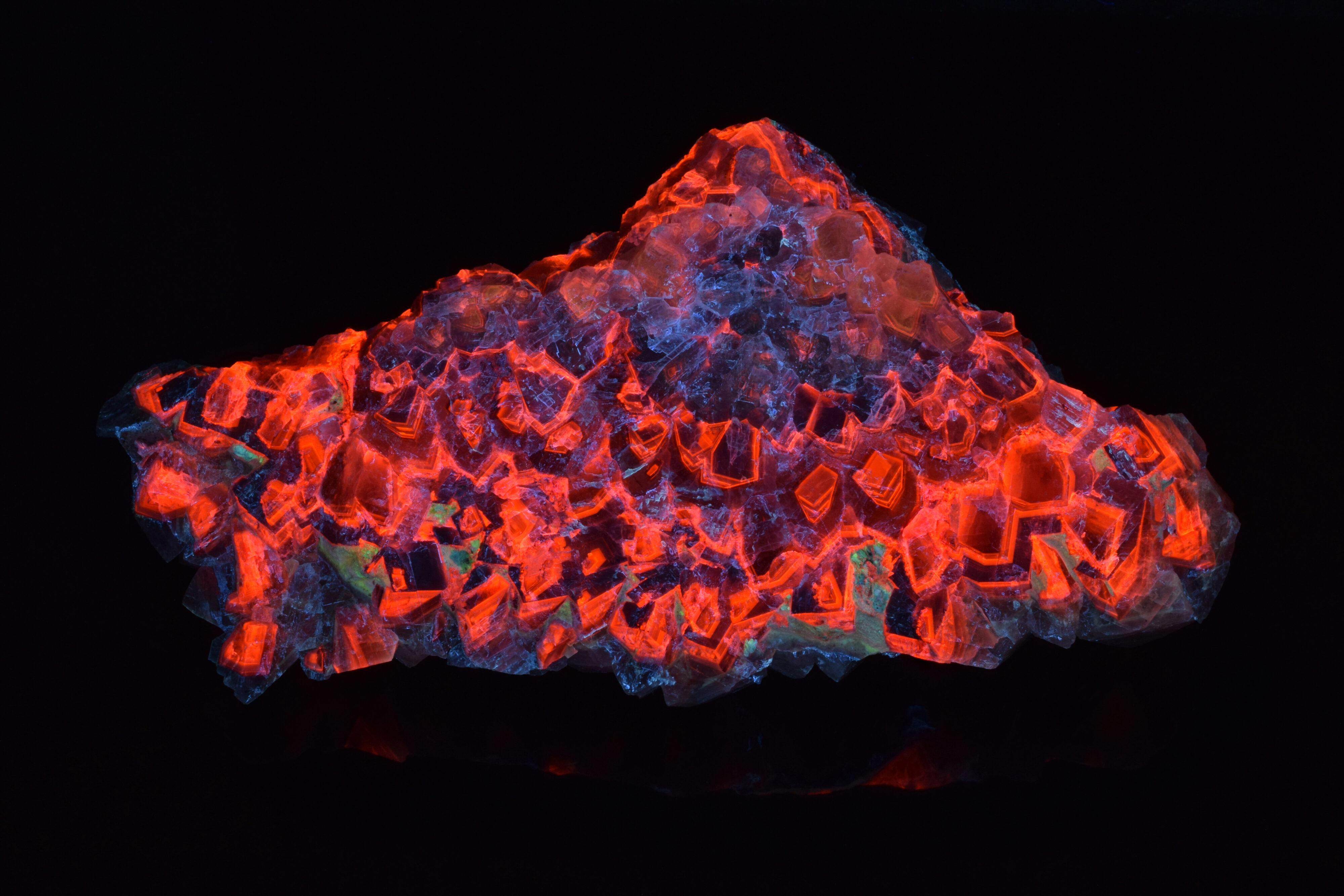
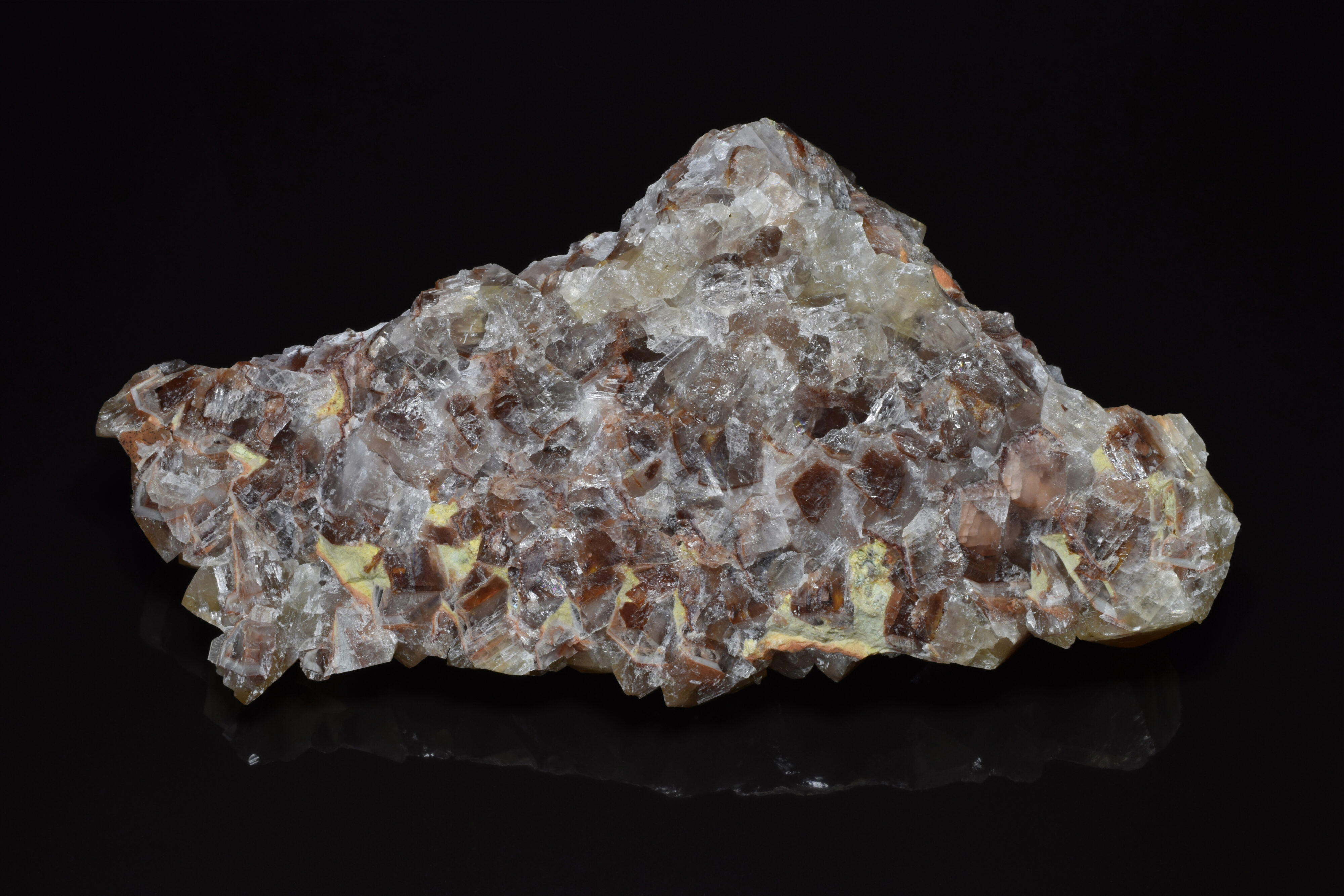
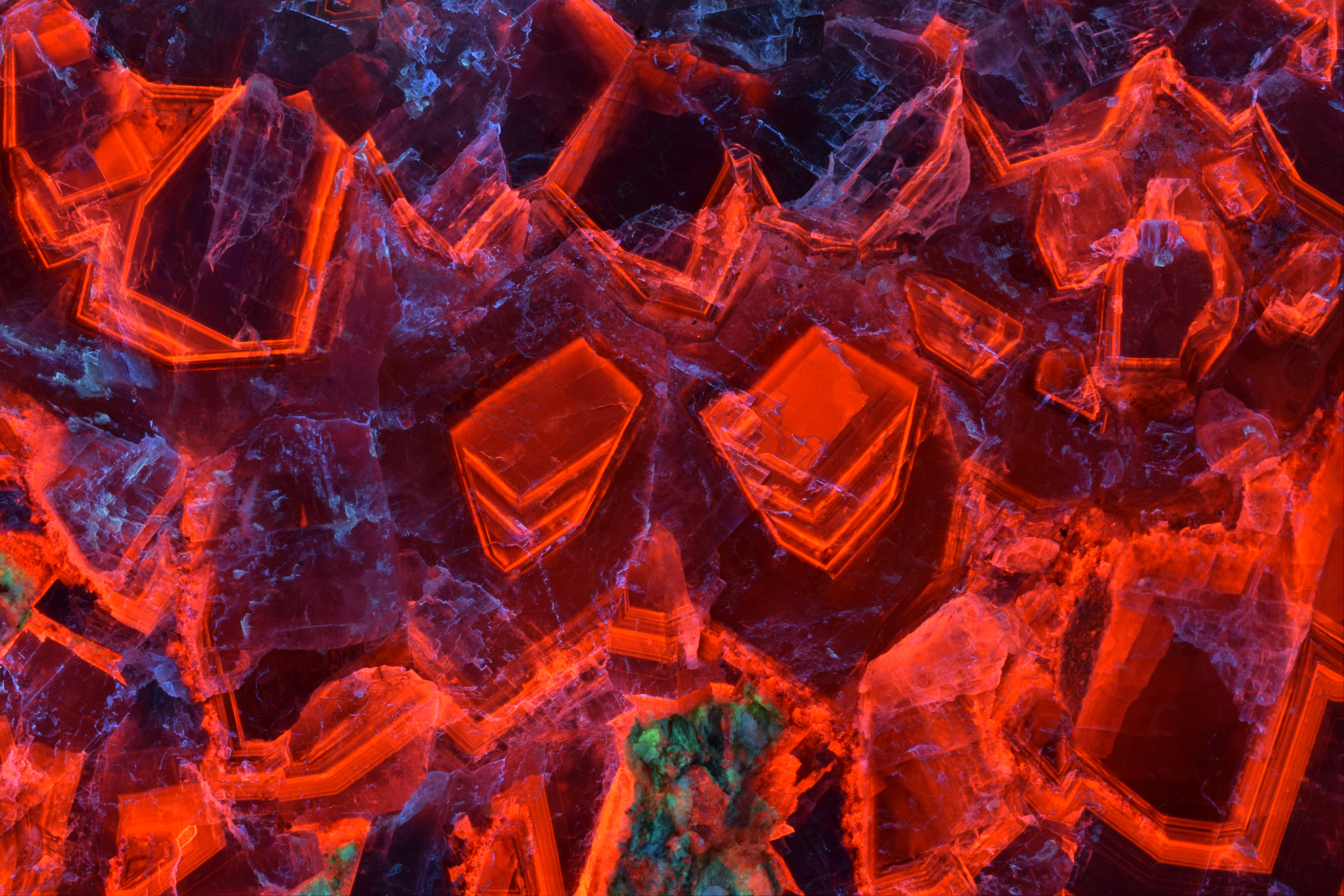
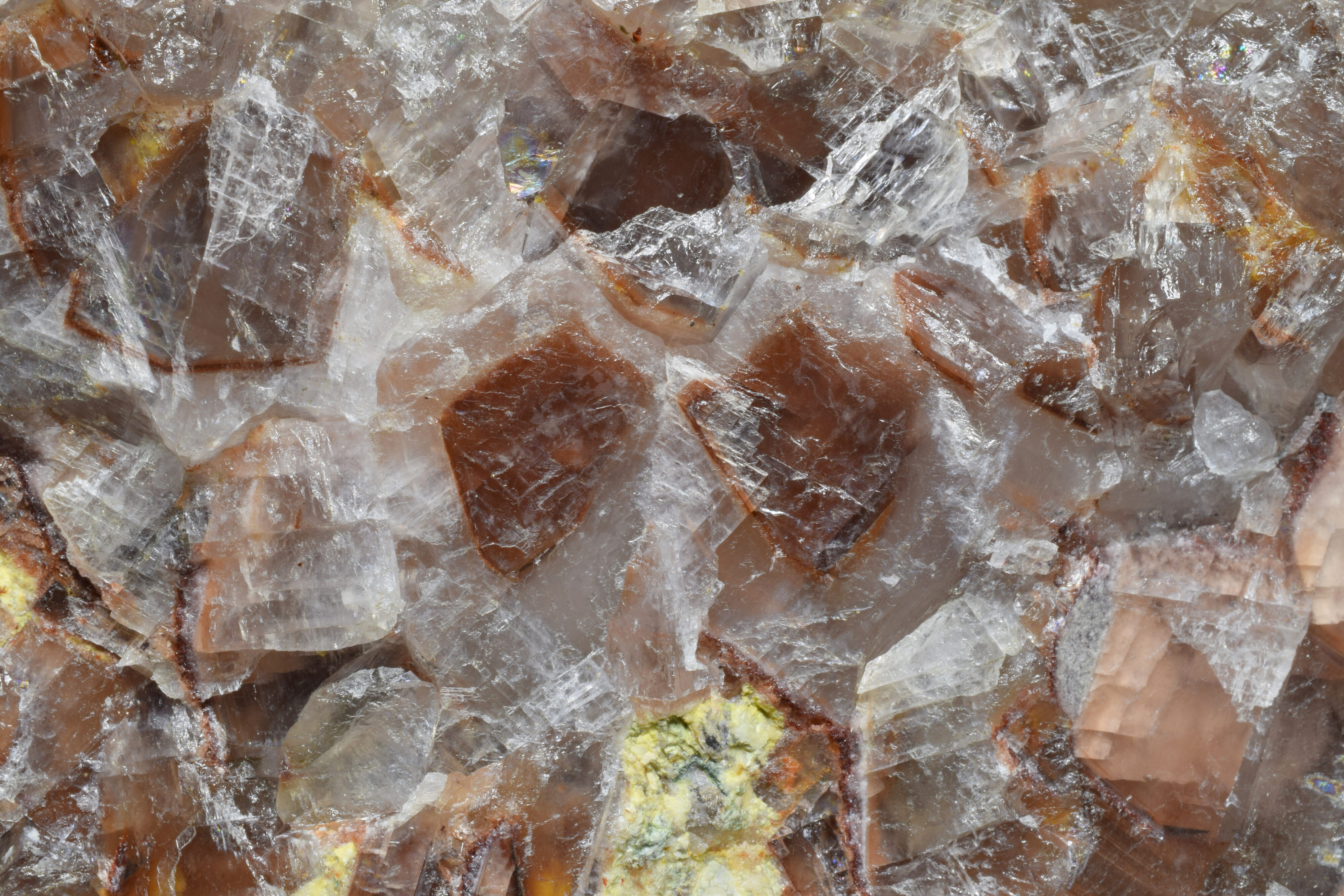
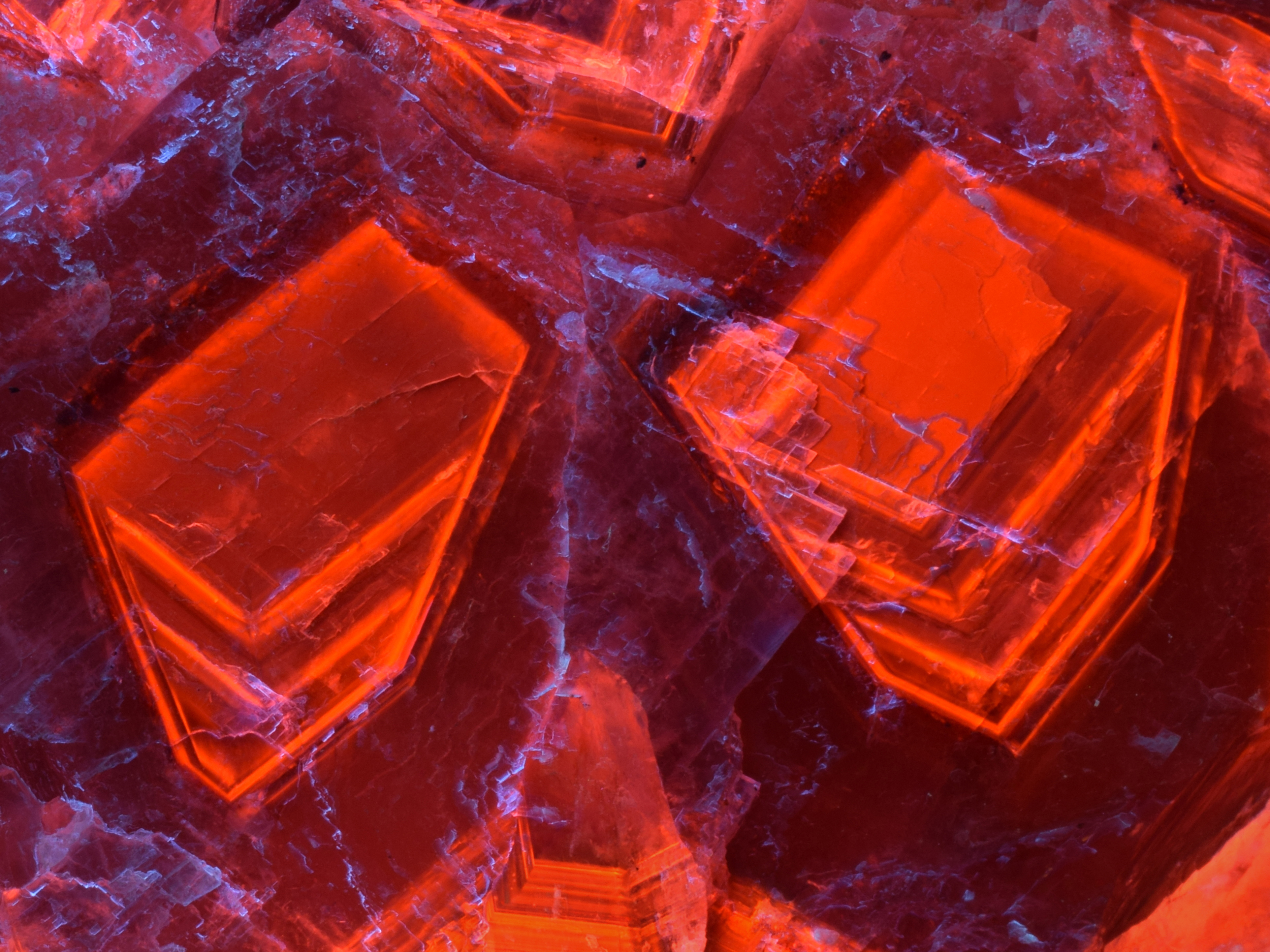
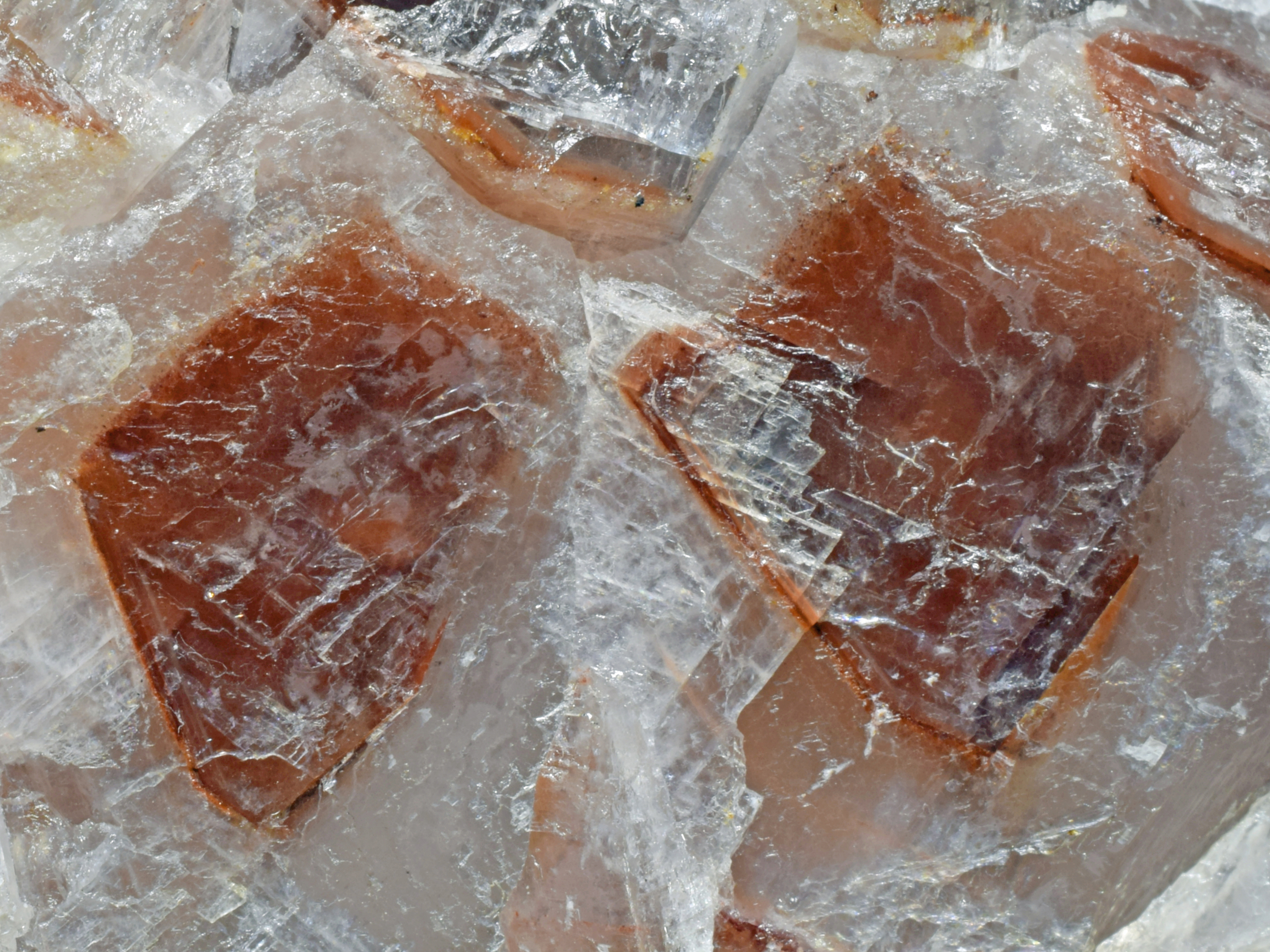
Mariposa calcite specimens are produced by several mines in the West Camp area of the Santa Eulalia Mining District in the Mexican State of Chihuahua. This specimen is likely from either the Potosi Mine or the Buena Tierra Mine. Mariposa, or butterfly calcite is unique in that it forms in two separate and distinct phases of growth. The initial growth phase results in the formation of classic scalenohedral calcite crystals which are typically coated with a thin layer of iron oxide, giving them a red/brown-colored appearance. During the second phase of growth, the initial scalenohedral phase is overgrown with yellow/brown rhombohedral calcite, resulting in caramel-colored dogtooth crystals containing dark brown internal phantoms. Of interest to the fluorescent mineral collector, the first phase of scalenohedral calcite growth often shows a bright orange, fluorescent response under short wave UV due to manganese content. As illustrated in the photographs below, the shortwave fluorescence typically shows a strongly zoned pattern, outlining the initial growth phase scalenohedral crystals. Although the zoning is not as apparent, the calcite is also fluorescent under other UV wavelengths. The second, rhombohedral phase of growth is not fluorescent.
The underlying layer of brightly fluorescent calcite represents the initial phase of crystal growth. The second phase of crystal growth seen on the upper surface of the specimen is not fluorescent.
Mariposa calcite has something to offer for both the collector of fine visible light display pieces, as well as the fluorescent mineral collector. The well-formed dogtooth calcite crystals with their dark internal phantoms make excellent additions to any mineral display case, while the bright, spectacular, zoned fluorescent response of the much less attractive (under visible light) cleaved base of these specimens make them extremely desirable to fluorescent mineral collectors.
Originally posted by Chris Clemens on Nature's Rainbows in 2020.
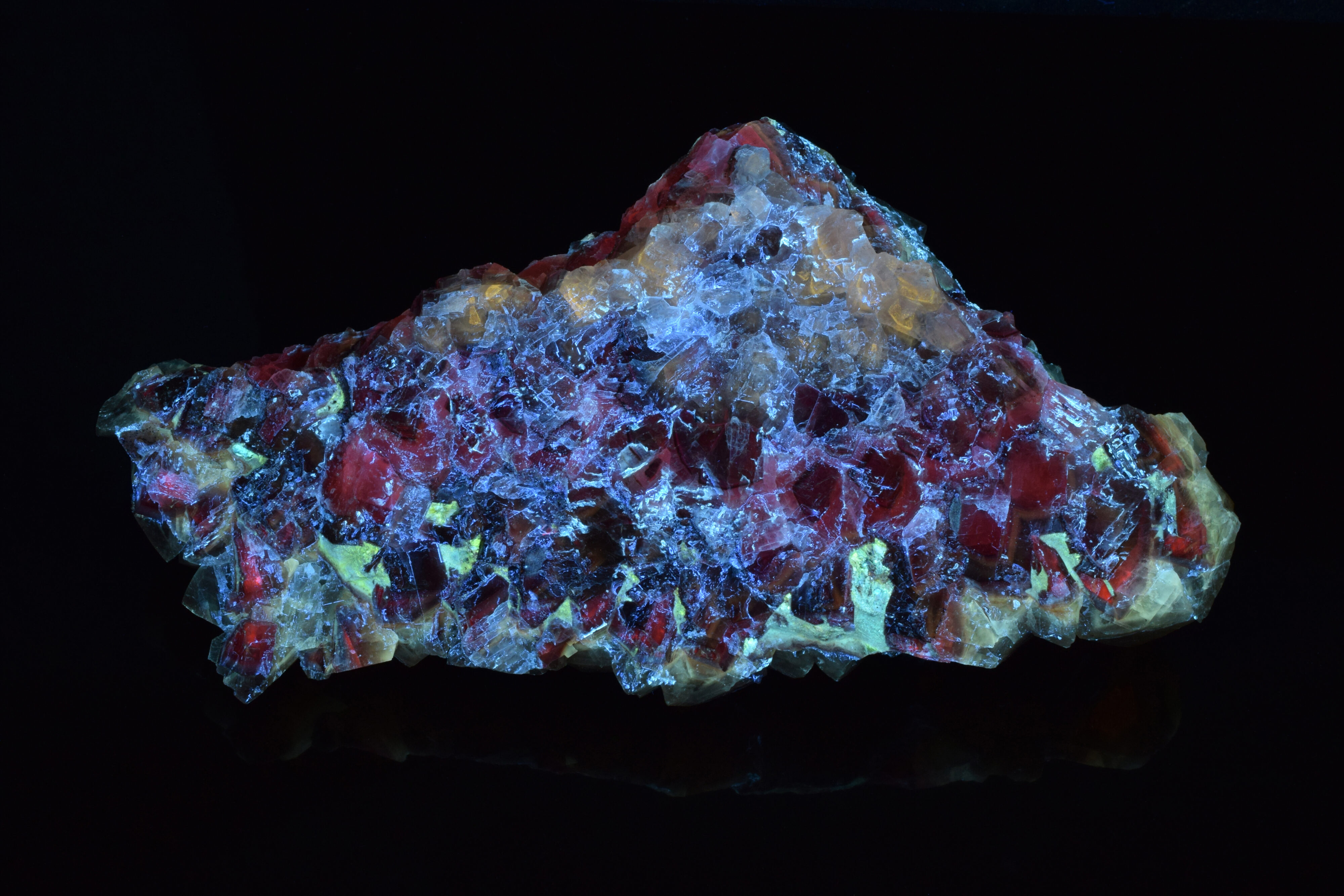
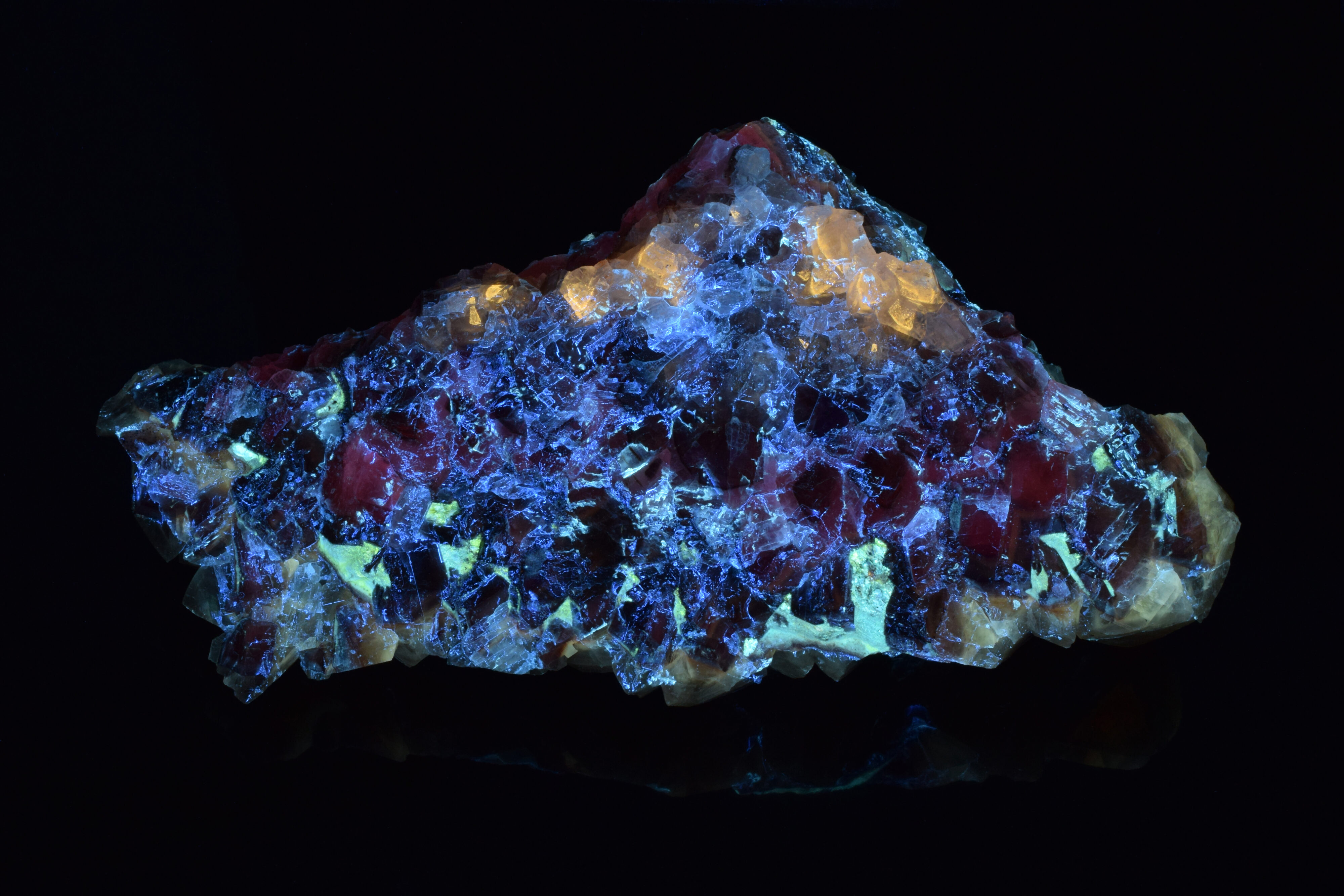
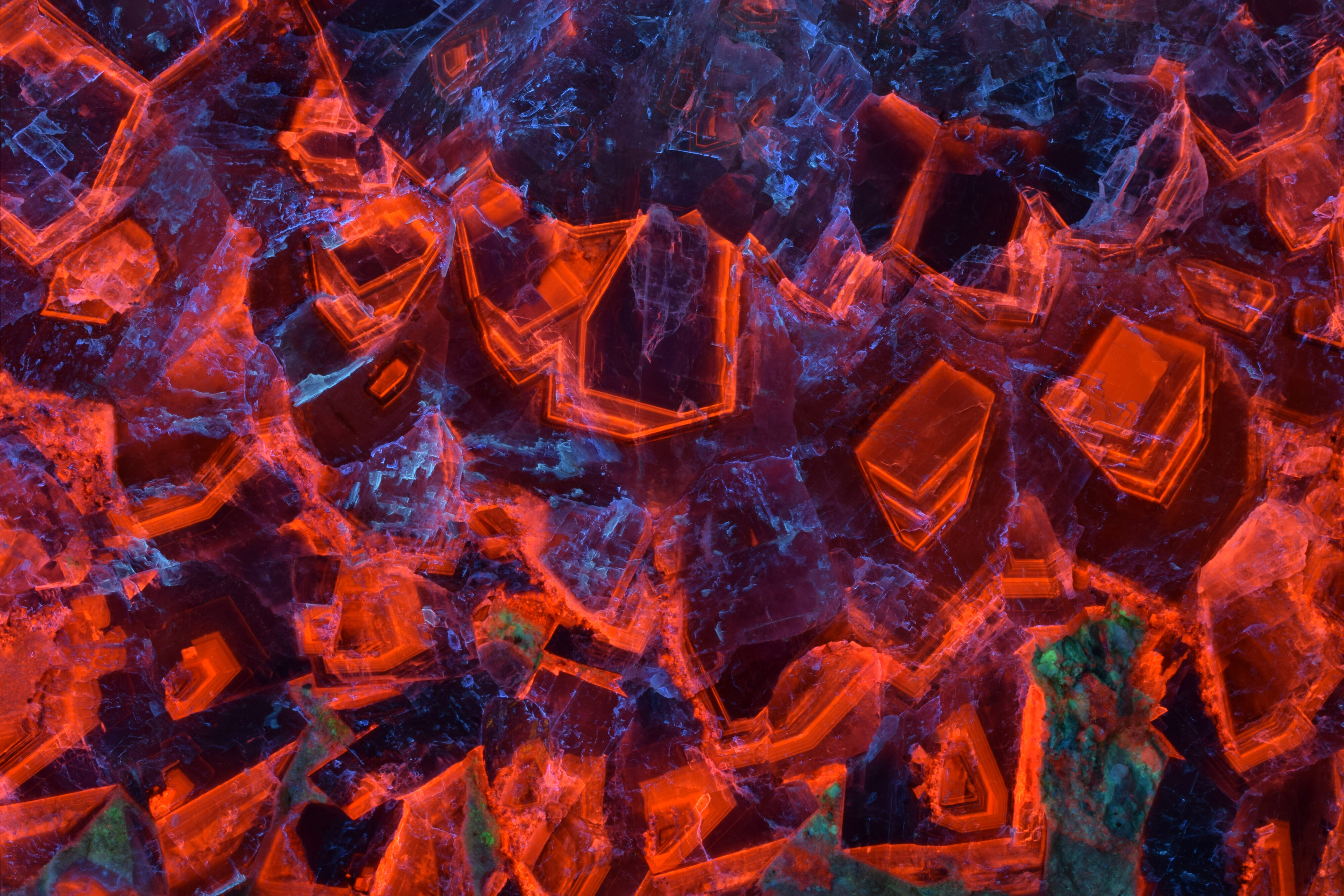
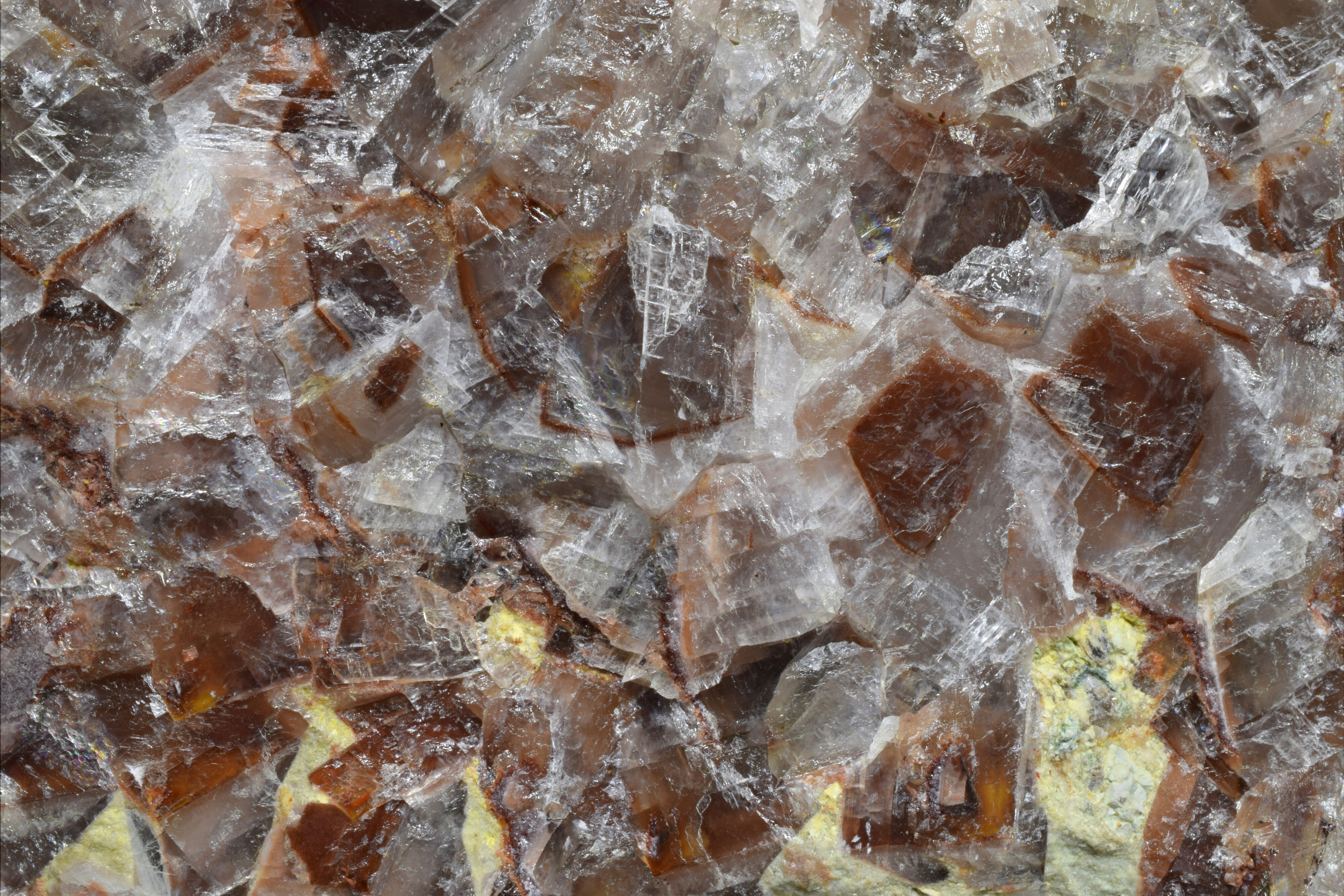
Summary of luminescence responses:
Calcite (Mindat) (RRUFF)
- Fluorescence under Shortwave (254nm Lamp/Mercury) UV light: Red
- Fluorescence under Midwave (305nm LED) UV light: Yellow
- Fluorescence under Midwave (305nm Lamp/Mercury) UV light: White
- Fluorescence under Longwave (365nm LED) UV light: Yellow
- Fluorescence under Longwave (365nm LED) UV light: White