
Vesuvian Mix from Pompeii Disaster
Contributed by: FMS Admin
Date: Feb 28th, 2026
Locality: Somma-Vesuvius Complex, Campania, Italy (See on Mindat)
Size: 5 x 4 x 7 cm
Weight: 140 g
Description:
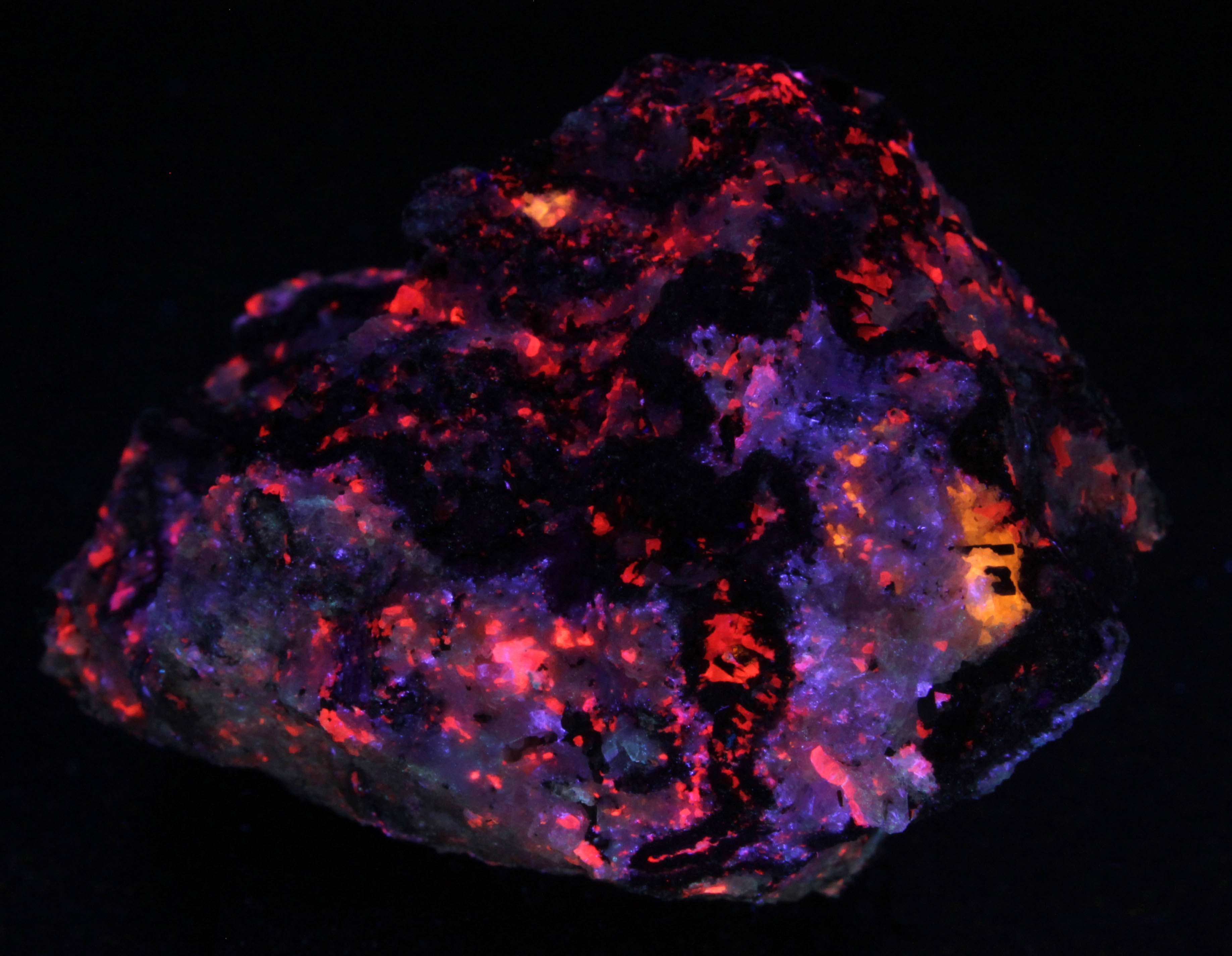
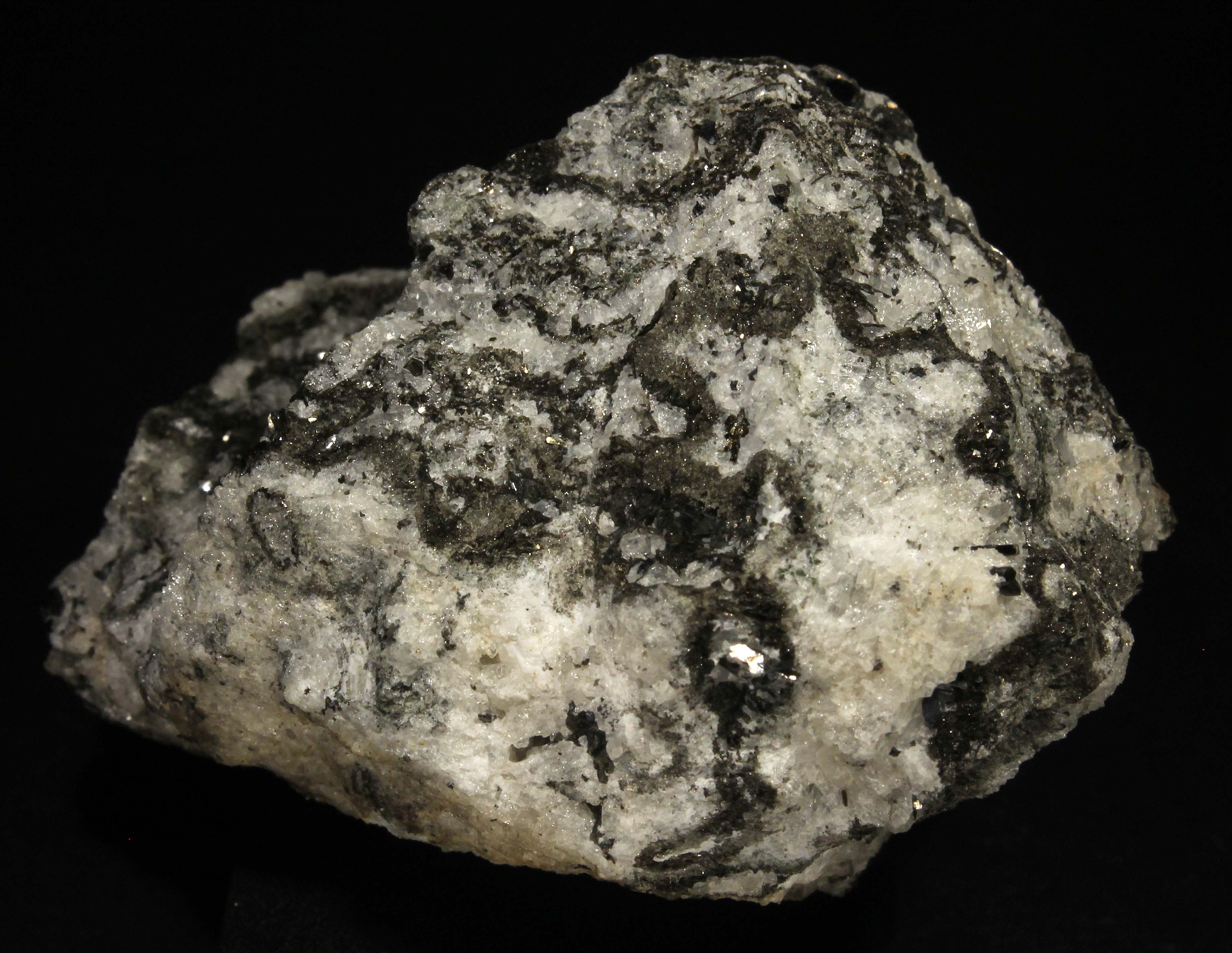
This specimen comes from Somma-Vesuvius Complex, Naples, Italy. It was found around 1960's in the pumice layers of the 79 DC Vesuvius eruption, the one that destroyed Pompeii and Herculaneum! It’s a typical Vesuvian volcanic projectile rich in Nepheline and minor other minerals. In this specimen, there are Sodalite, Calcite and probable Diopside.
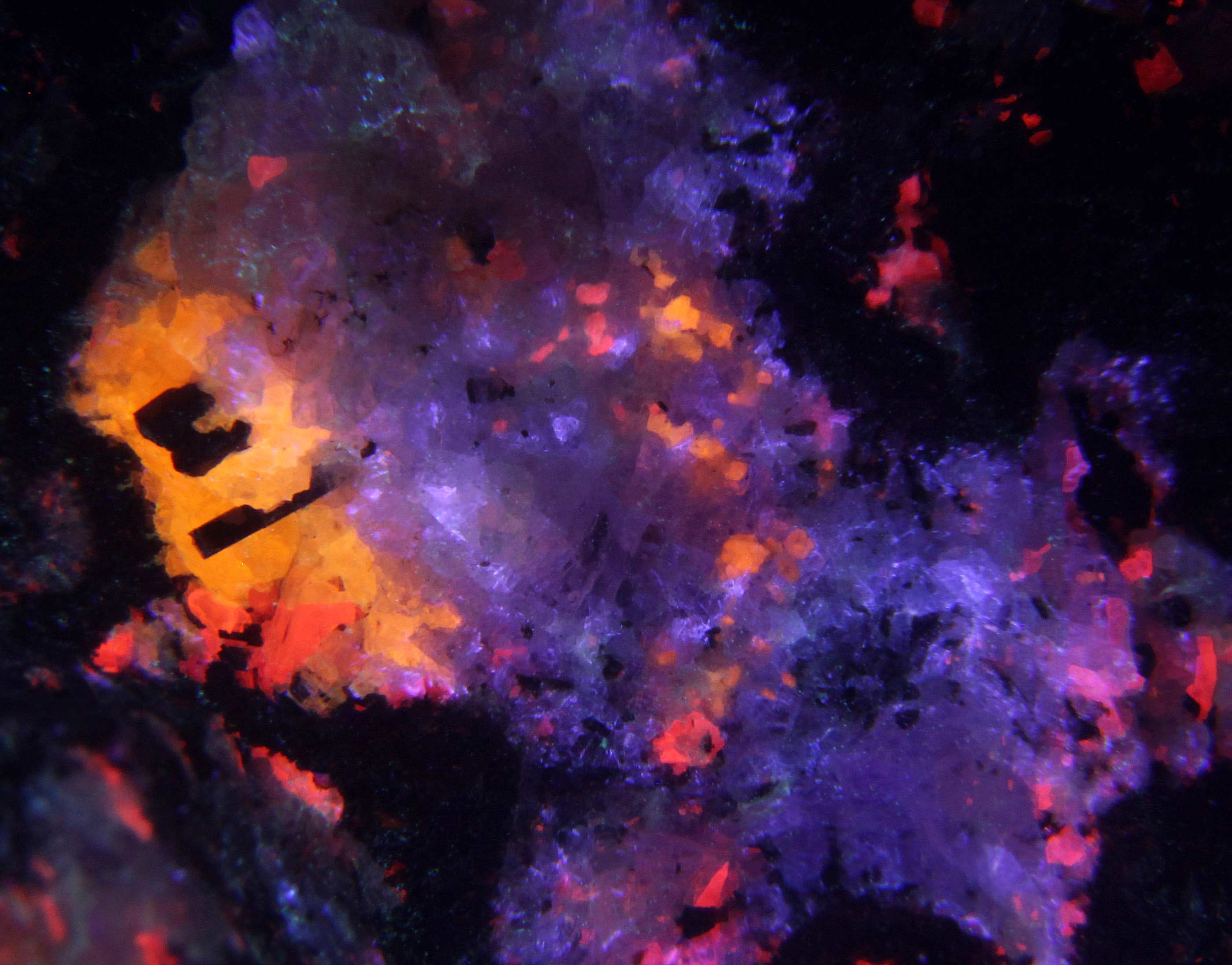
The best fluorescence is with LW+MW. Sodalite fluoresces better in LW and other minerals are brighter in MW.
Originally posted by Stefano Buzzoni on Nature's Rainbows.
Summary of luminescence responses:
Sodalite (Mindat) (RRUFF)
- Fluorescence under Longwave (365nm LED) UV light: Yellow
- Fluorescence under Midwave (305nm Lamp/Mercury) UV light: Red